

Safe and Sustainable Pest Prevention Tips for St. Louis Homeowners
St. Louis is known for its unpredictable weather, lush green neighborhoods, and vibrant community life. However, these city features can also make local homes more susceptible to pest issues. Maintaining a pest-free home is not just about comfort; it is critical for your family’s health and St. Louis’s unique urban ecosystem. Fortunately, implementing safe and sustainable pest prevention methods can help protect your living space while also supporting the wider environment. For expert advice and sustainable solutions, consider consulting with Pointe Pest Control, a trusted name in St. Louis pest management.
St. Louis’s seasonal changes and variable humidity give rise to a range of household pest challenges, from ants and cockroaches in summer to rodents seeking warmth during winter. By taking proactive steps and adopting eco-friendly practices, you can reduce risks and maintain a healthier home for your family and neighbors.
Seal Entry Points
Pest problems often start at the exterior of your St. Louis home. Cracks around windows, doors, and where utility lines enter the structure create easy access for rodents, ants, and spiders. Start your prevention efforts with a thorough inspection of your home’s foundation and siding. Use weather-resistant caulk or weatherstripping to seal these gaps and prevent pests from getting inside.
In older homes, which are common across St. Louis neighborhoods, pay extra attention to doors that do not close tightly and window frames with aging caulking. Even small gaps are attractive to pests looking for warmth or food. The United States Environmental Protection Agency offers additional tips on sealing entry points to reduce indoor pests.
Maintain Cleanliness
Keeping your living space consistently clean is essential to curbing pest invasions. St. Louis homes with open kitchens or frequent family gatherings are particularly at risk, as crumbs and spills offer easy feasts for pests. Mop up spills as soon as they occur, vacuum regularly, and do not leave dirty dishes overnight. Promptly dispose of trash in sealed containers, since exposed garbage can invite everything from ants to raccoons, depending on your neighborhood.
Use Natural Deterrents
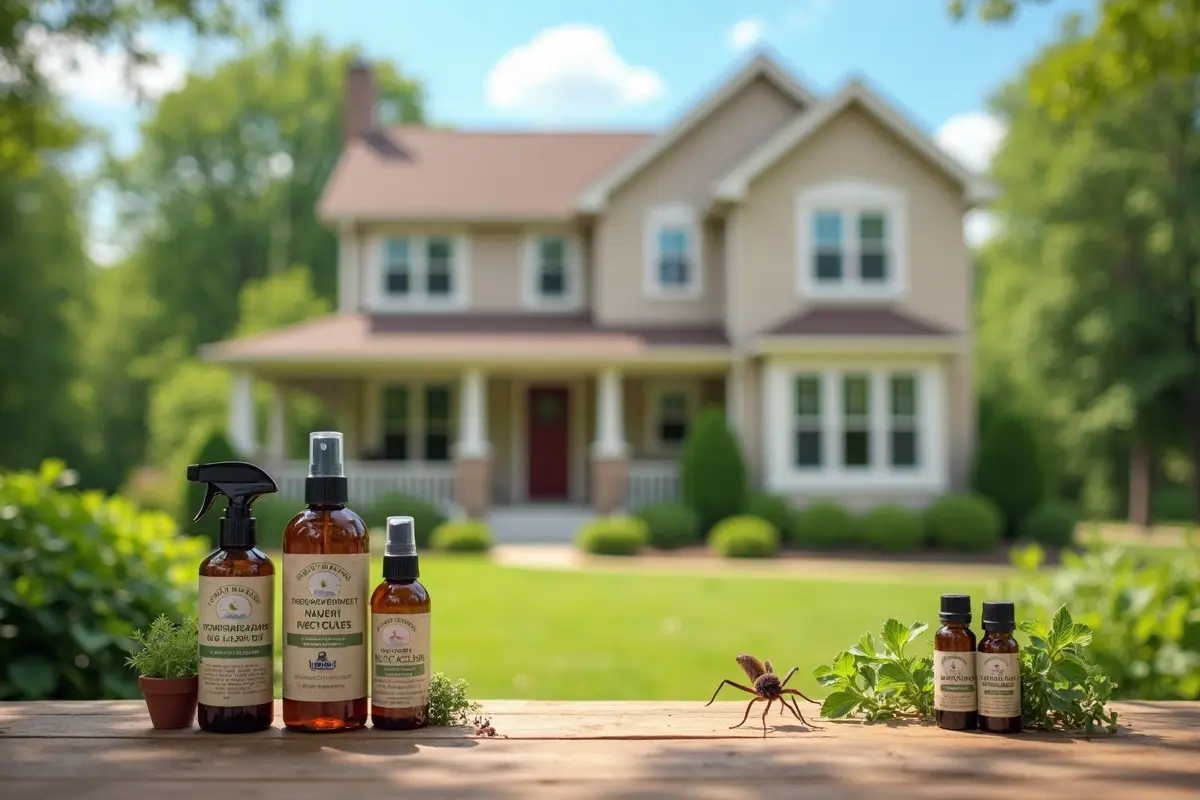
Chemical-free pest control methods are not only safer for your family but also for the Missouri ecosystems. For example, peppermint oil has been shown to repel mice and spiders, while sachets of dried lavender keep moths at bay. Simply place these natural repellents near entryways, under sinks, or in closets to discourage pests from settling in. These strategies are particularly important along the Mississippi River corridor, where runoff from harsh chemicals can affect local wildlife.
For more do-it-yourself tips on sustainable pest management, visit Consumer Reports’ guide to green pest solutions for additional insight.
Regular Inspections
Early detection can prevent a minor pest concern from turning into a major infestation. At least once per season, inspect less-frequented areas of your St. Louis home, such as basements, attics, and behind large appliances. Look out for droppings, shredded materials, gnawed packaging, or unusual noises; these can be clear indicators that a pest has taken up residence. This is especially important in older city homes with hidden crawl spaces or basements that can attract pests year-round.
Landscape Maintenance
Placing overgrown yards and cluttered gardens. If you live near Forest Park or other St. Louis green spaces, you may notice increased pest activity during the spring and fall. Trim trees and shrubs so that they do not touch the exterior walls of your home, and clear away leaves, mulch, and debris that can provide shelter for pests. Regularly mow your lawn and remove standing water to reduce mosquito breeding grounds, which are common in the Midwest.
Proper Food Storage
Food left accessible is a guaranteed attractant for pests. Store all pantry items, pet food, and even birdseed in sealed, airtight containers. Refrigerators should also be closed tightly, and leftovers should be covered. In the humid summers of St. Louis, proper food storage becomes even more important to prevent rapid spoilage and pest attraction.
Manage Moisture Levels
Moisture attracts pests like termites, cockroaches, and silverfish, which are particularly problematic during St. Louis’s damp seasons. Repair leaky pipes under sinks, ensure roof gutters are clear, and use dehumidifiers in basements to keep humidity at healthy levels. Good ventilation will help prevent mold and reduce the likelihood of pest infestations, especially during fall and spring showers in the region.
When to Seek Professional Help
Despite your best efforts, pests may persist, or infestations may return. Recognizing when to bring in professionals familiar with St. Louis’s specific pest patterns can make a significant difference in restoring your home’s safety and comfort. Local experts understand seasonal pest behavior and can recommend custom plans that avoid broad-spectrum pesticides. Safety is key, so do not hesitate to consult a pro if you spot signs of termite damage, rodent infestations, or if allergies worsen due to pest presence.
By following these safe and sustainable pest prevention principles tailored to St. Louis conditions, you can better protect your home and support the city’s vibrant environment for years to come.




0