

Common Plumbing Problems and Preventative Tips for Homeowners
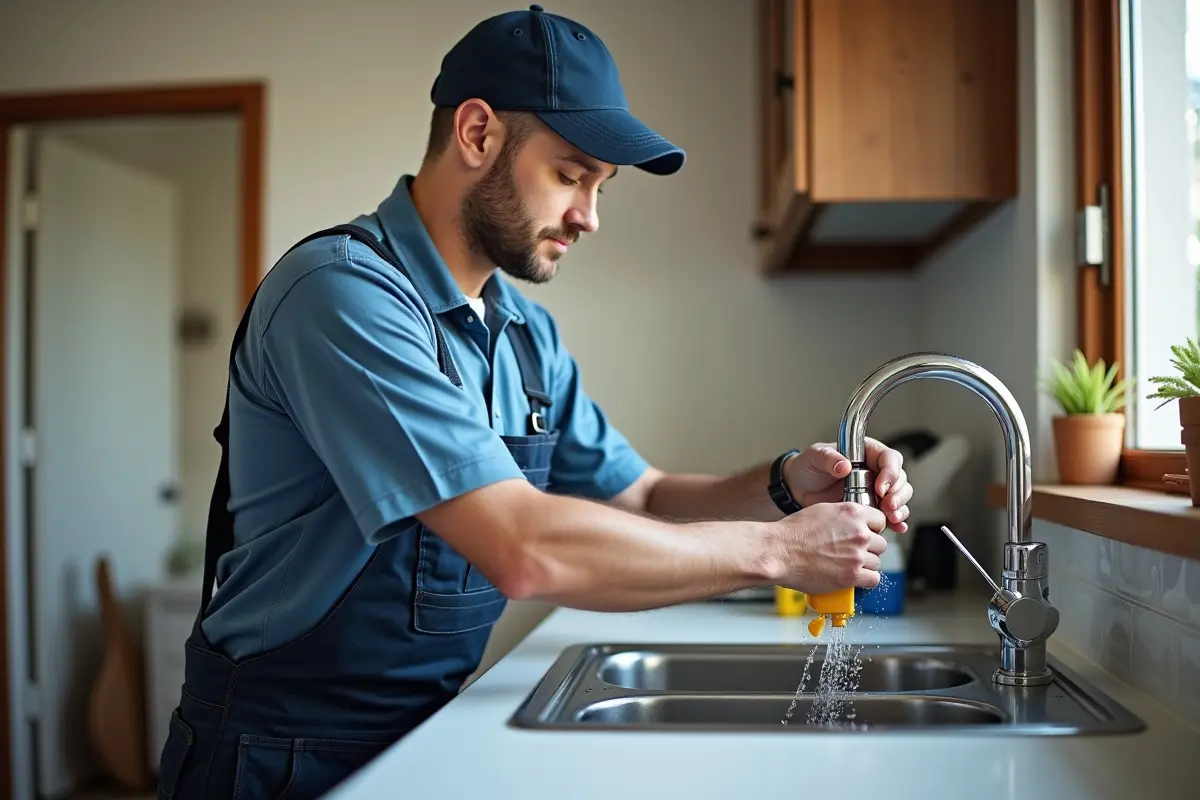
Dealing with plumbing problems is a reality most homeowners face at some point. These challenges can be disruptive, inconvenient, and, if left alone, lead to more serious damage over time. Staying proactive with preventative care and understanding the causes of common problems is essential for keeping your plumbing system running smoothly. When in need of professional help or regular system checks, it’s helpful to consult an expert in plumbing to minimize disruptions and avoid bigger expenses in the long run.
Simple steps such as regular inspections, routine cleaning, and timely repairs can make a significant difference in maintaining your home’s plumbing integrity. With a small investment of time and attention, homeowners can spot early warning signs of trouble and address them before they escalate into emergencies.
Understanding what to look for and knowing basic maintenance techniques empowers homeowners to prevent leaks, clogs, and other typical issues. Although some repairs may require advanced skills or tools, there are preventative measures every homeowner can take to extend the life of their plumbing system and keep utility bills in check.
For those times when an issue is too complex to handle alone, finding a reliable plumber ensures that any problem is resolved quickly and with professional expertise that meets modern standards.
Leaky Faucets
A dripping faucet is more than just an annoyance; it can cost you in wasted water and higher bills. According to the U.S. Environmental Protection Agency, one leaky faucet can waste more than 3,000 gallons of water annually. The main culprits are commonly worn-out washers or O-rings. Homeowners should periodically check these parts for wear and tear and replace them as needed. Regular checks not only preserve resources but also ensure your household runs efficiently.
Clogged Drains
Slow-draining sinks and tubs are frequently caused by the build-up of hair, soap, and food residues. Preventing clogs involves being mindful of what goes down your drains. Use drain guards in bathrooms and kitchens, and never pour grease or coffee grounds into your sink. A simple home remedy for minor clogs involves pouring baking soda and vinegar down the drain, followed by hot water. For persistent or repeated issues, consult a professional for thorough cleaning and possible inspection for deeper blockages.
Running Toilets
If your toilet runs constantly, it can waste hundreds of gallons daily, quickly escalating your water bill. The most frequent source of the problem is a faulty flapper valve or fill tube. Checking the flush mechanism inside your toilet tank and replacing worn-out components can resolve the issue. If you notice water running sporadically without flushing, this is often a sign of a slow leak that should be addressed promptly.
Low Water Pressure
Low water pressure in showers or sinks can signal mineral buildup inside pipes or an issue with the pressure regulator. Showerheads and faucet aerators often accumulate limescale, which can be removed easily with vinegar soaks. If the problem persists throughout the house, it may indicate a larger issue like corroded pipes or a failing pressure-regulating valve.
Water Heater Issues
Inconsistent water temperature or rumbling noises from your water heater indicate possible sediment buildup inside the tank. Flushing the water heater annually removes sediment and helps the unit run more efficiently, which can greatly extend its lifespan. If flushing does not fix the issue or if you notice water pooling around the appliance, it is time to consult a licensed professional for further assessment.
Frozen Pipes
Frozen pipes are a risk in many regions during the colder months. When water freezes, it expands and can cause pipes to rupture, leading to severe home damage. Prevent frozen pipes by insulating exposed pipes in basements, attics, and crawl spaces. During extreme cold, letting faucets drip slightly keeps water moving, reducing the chance of freezing. For detailed guidelines and expert input, review the advice provided by Homes & Gardens.
Sump Pump Failure
Sump pumps protect basements from flooding during periods of heavy rain or rapid snowmelt. Regularly test your sump pump by pouring water into the sump pit to activate the float switch. Clear any debris from the pit and surrounding areas to ensure proper function. Annual inspections before rainy seasons can guard against unanticipated pump failures. If you notice strong vibrations, strange noises, or infrequent cycles, have a professional take a look to avoid emergency situations in the future.
Conclusion
Routine maintenance, vigilance, and timely intervention are the cornerstones of keeping household plumbing in good working order. By learning to spot early signs of trouble and adopting a preventative approach, homeowners can save both money and headaches. Remember that some jobs require an expert touch, so do not hesitate to contact a professional when faced with more complex issues. Adopting these tips and strategies ensures a reliable, efficient, and worry-free plumbing system for years to come.




0