

Top Benefits of Using Mulch in Sustainable Landscaping
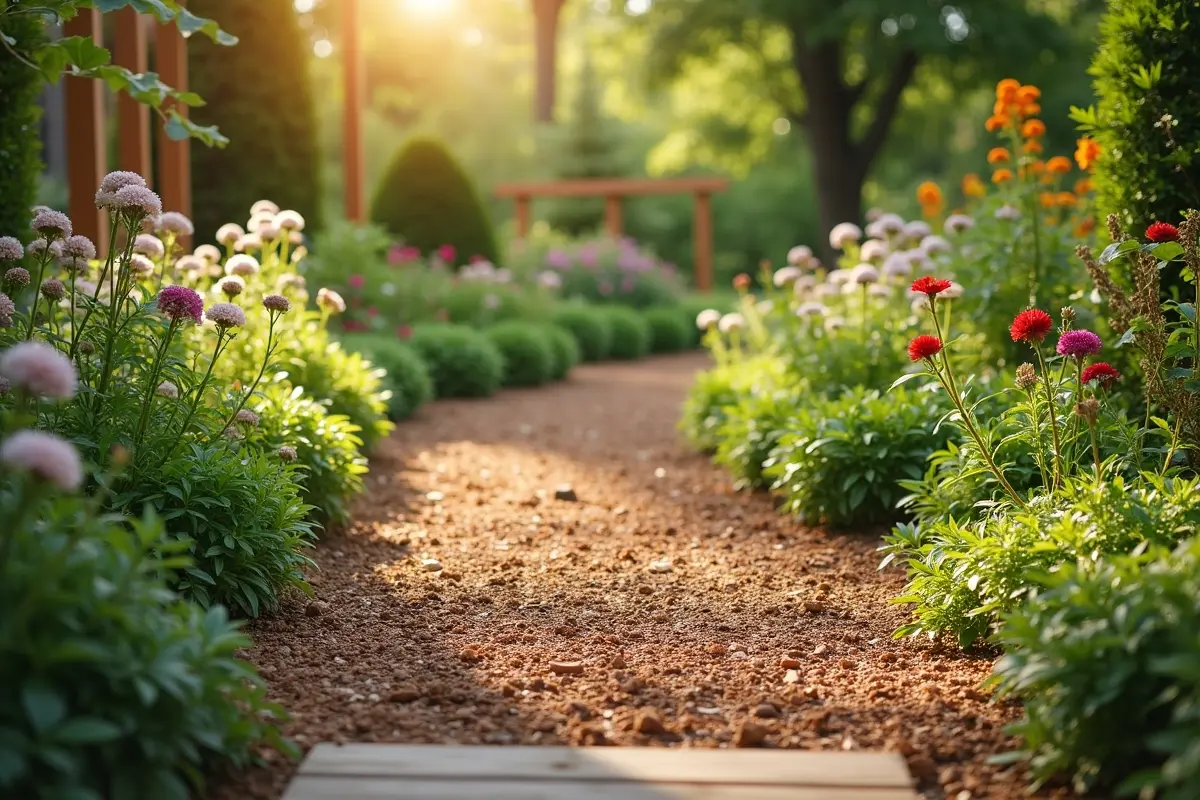
Mulch is a fundamental element in sustainable landscaping, providing multiple advantages for both your garden’s vitality and environmental well-being. Using mulch effectively can help foster a thriving outdoor space while advancing eco-friendly gardening goals. Whether you are aiming for robust plant growth or reduced maintenance, the right approach to mulching can deliver significant returns for your landscape.
Many gardeners adopt mulching to improve plant performance and soil quality. In sustainable landscapes, mulch not only benefits the plants but also minimizes environmental impact by reducing water use and chemical dependency. By integrating various forms of mulch and following best practices, you can ensure your garden remains healthy, vibrant, and resilient.
Conserving Soil Moisture
One of the most impactful benefits of mulch is its moisture retention capability. By acting as a barrier over the soil, mulch curbs evaporation from the soil surface and ensures steady moisture levels for roots. This is especially crucial in regions threatened by drought or those wishing to conserve water. A study by Utah State University Extension highlights that mulching around trees and shrubs can lead to a tenfold reduction in soil water loss through evaporation. These water-saving traits underscore why mulch is a staple in drought-tolerant and xeriscape design.
In addition to reducing the need for supplemental watering, consistent mulch coverage supports the establishment of newly planted trees, shrubs, and flowers. During dry spells or heat waves, mulch acts as a protective buffer, decreasing plant stress and helping them better survive adverse weather. This leads to stronger plants that require less frequent irrigation and maintenance, aligning with the main goals of sustainable landscaping. Even in high-traffic areas or places with compacted soils, proper mulching can significantly improve water infiltration, allowing plant roots greater access to available moisture.
Suppressing Weed Growth
Mulch serves as a natural weed barrier by limiting sunlight exposure to the soil, thereby inhibiting the growth of weed seeds. A well-applied layer of mulch can reduce the emergence and spread of unwanted plants, eliminating hours of tedious manual weeding and decreasing reliance on chemical herbicides. This supports a cleaner, lower-maintenance, and more sustainable landscape.
When organic mulch is used, the suppression of weeds also helps the soil retain its natural composition. Minimizing disturbance to the soil structure allows beneficial soil organisms to flourish. Moreover, the reduction in weed competition ensures that more soil nutrients are available for your desirable plants. Over time, the steady reduction in weed pressure can create a self-perpetuating cycle of improved growth and less intervention, freeing up time for other landscape enhancements or leisure.
Improving Soil Fertility
Organic mulches such as bark, wood chips, straw, or compost decompose over time, releasing nutrients into the soil. This continual enrichment enhances the soil’s structure, boosts fertility, and encourages beneficial microorganisms and fungi to thrive. In turn, your plants grow healthier, withstand stress better, and are less susceptible to disease outbreaks. Including organic mulch in your sustainable landscaping routine is one of the easiest ways to replenish tired soils and foster improved nutrient cycling.
As mulch materials decompose, humus forms, which improves water retention, aeration, and the long-term fertility of the soil. Beneficial earthworms and microbes drawn to rich, organic matter further break down mulch and incorporate it into the soil, boosting overall health and resilience. This natural process can also decrease the frequency of replanting or fertilizing needs, saving money and reducing environmental impact.
Regulating Soil Temperature
Mulch insulates the soil, mitigating fluctuations in temperature throughout the year. In summer, it keeps soil cool by blocking heat and reducing stress on plant roots. During winter, mulch acts as a blanket, slowing heat loss, which protects roots from cold injury and frost upheaval. This stable environment encourages steady root development and boosts plant resilience to changing seasons.
Consistently regulated temperatures help maintain beneficial soil microbial activity, promoting a balanced and healthy root zone. For perennials and young trees, this means fewer freeze-thaw cycles and protection during unexpected early frosts. The insulating properties of mulch are beneficial for both shallow- and deep-rooted plants, ensuring overall garden vigor and year-round attractiveness.
Preventing Soil Erosion
Unprotected soil is highly vulnerable to erosion caused by both wind and rainfall. A mulch layer creates a buffer that slows water runoff and helps particles bond together, drastically reducing soil displacement on slopes and heavy rainfall sites. Preventing soil erosion is critical for maintaining a healthy landscape and supporting plants’ long-term vigor. According to the University of Florida IFAS Extension, well-mulched landscapes are much less likely to experience serious erosion problems.
Utilizing mulch on slopes is especially important in preventing loss of valuable topsoil, which is rich in nutrients. The presence of mulch also cuts down on the formation of soil crusts, which can impede water absorption and seedling emergence. As a result, landscaping with mulch is not only a solution for short-term soil protection but also a key investment in your property’s long-term productivity and plant vitality.
Enhancing Aesthetic Appeal
In addition to its functional benefits, mulch elevates your landscape’s visual appeal. Available in a range of sizes, colors, and textures, mulch can be chosen to either blend naturally with your garden theme or provide a striking contrast. Whether you want the rustic feel of pine bark, the clean look of cocoa hulls, or the bold hues of colored wood chips, selecting the right mulch helps unify different plant beds and borders, resulting in a polished, professional appearance.
Mulch can be used creatively to establish visual flow, define pathways, and highlight focal points like specimen trees or decorative plant groupings. It provides a clean canvas that accentuates the color and form of your plantings, while also helping unify hardscape and softscape elements within your outdoor design. Over time, a well-mulched landscape can enhance property value by increasing its curb appeal and supporting healthy, beautiful plants.
Avoiding Common Mulching Mistakes
Despite its many benefits, improper mulching can create serious issues. A frequent mistake involves piling mulch directly against tree trunks, sometimes referred to as making “mulch volcanoes.” This traps moisture where it is not needed, promoting bark rot and attracting damaging insects. Experts recommend the “donut” method: apply mulch in a ring around trees with a depth of 3 to 6 inches, but always leave a gap at least 4 to 6 inches wide around the base. This improves air flow, keeps trunks dry, and avoids common health problems in trees.
Another pitfall includes using mulch derived from diseased plants or contaminated materials. To safeguard your garden, always source mulch from reputable suppliers and avoid repeatedly layering new mulch over old each season, as this can suffocate plant roots. Monitoring mulch thickness each year and refreshing it only as needed ensures that your landscape remains protected without causing harm through excessive coverage or compaction.
Conclusion
Utilizing mulch in landscaping delivers a spectrum of ecological and aesthetic rewards, from less water use and fewer weeds to improved soil nutrition and longer-lasting curb appeal. Selecting the right type of mulch and applying it in line with expert advice not only boosts your garden’s health but also supports environmentally responsible gardening practices. Embracing mulch as a landscape solution helps you cultivate a garden that thrives all year and stands as a model of sustainable outdoor living.
Ultimately, integrating mulch into your landscaping strategy is a step toward more responsible stewardship of natural resources. With careful selection, attention to best practices, and a commitment to ongoing care, your landscape can flourish in beauty and sustainability for years to come. Whether you are a novice gardener or an experienced landscape professional, incorporating mulch will continually reinforce your efforts to create healthy, resilient, and sustainable outdoor spaces for future generations.





0