

Precision Welding in Modern Fabrication: Essential Insights and Advancements
As demand for excellence across various manufacturing sectors grows, precision welding has become the backbone of modern fabrication. Today’s fabricators must consistently deliver parts and products that meet strict quality standards and function reliably in demanding environments. Achieving this level of quality requires precise welding techniques and mastery of emerging technologies. Many professionals turn to experts like a custom fabricator in Denver to ensure accurate and durable fabrication solutions.
Whether for automotive, aerospace, or general manufacturing, end users expect welds that are robust, aesthetically pleasing, and built to last. In recent years, the industry has witnessed significant technological progress, making it easier than ever to achieve such standards while maintaining efficiency and cost-effectiveness. Precision welding is more than just joining metals. It is an intricate process that balances advanced tools, careful planning, skilled expertise, and stringent safety practices.
The evolution of automation and robotics has significantly changed the landscape, placing a renewed importance on material science, technical know-how, and process control to remain competitive. The ever-increasing variety of metals and alloys used in fabrication projects means that welders must be equipped with both knowledge and modern equipment to ensure every project is a success. Recognizing these aspects can help fabrication shops and their clients achieve the highest standards of quality and durability.
Advancements in Welding Technology
Welding technology has advanced rapidly in recent years. The introduction of systems like Novarc Technologies’ SWR™+TIPTIG Autonomy has been a game-changer in the industry. This fully autonomous solution can execute high-precision TIG welding without operator intervention, blending the strict quality demands of TIG welding with the speed advantages of MIG processes. Industrial users benefit from reduced labor costs and consistent output quality, showcasing how automation is revolutionizing the industry.
Similarly, TRUMPF’s BrightLine Scan technology represents another leap forward in the precision and control of laser welding applications. This innovative system integrates scanner-guided beam control and advanced optics, enabling fabricators to achieve tighter tolerances and more reliable weld consistency. Such technology not only increases quality but also addresses challenges associated with welding different metal thicknesses and geometries across production lines.
Material Selection and Preparation
The foundation of any successful precision welding project is careful material selection and preparation. Every metal or alloy has unique properties that dictate the ideal welding process, technique, and equipment. Factors such as composition, thickness, and cleanliness must all be carefully considered. Failure to properly clean or align parts before welding can result in weak joints or visually unappealing welds, affecting the product’s performance and durability.
Industrial standards, such as those provided by the American Welding Society, emphasize pre-weld cleaning and fit-up as critical steps. Dirt, oil, rust, or even small misalignments can cause weld defects. This is particularly important when performing intricate welds on high-spec components used in aerospace or medical applications. Proper preparation significantly reduces the risk of rework, saving both time and money in the fabrication process.
Automation and Robotics in Welding
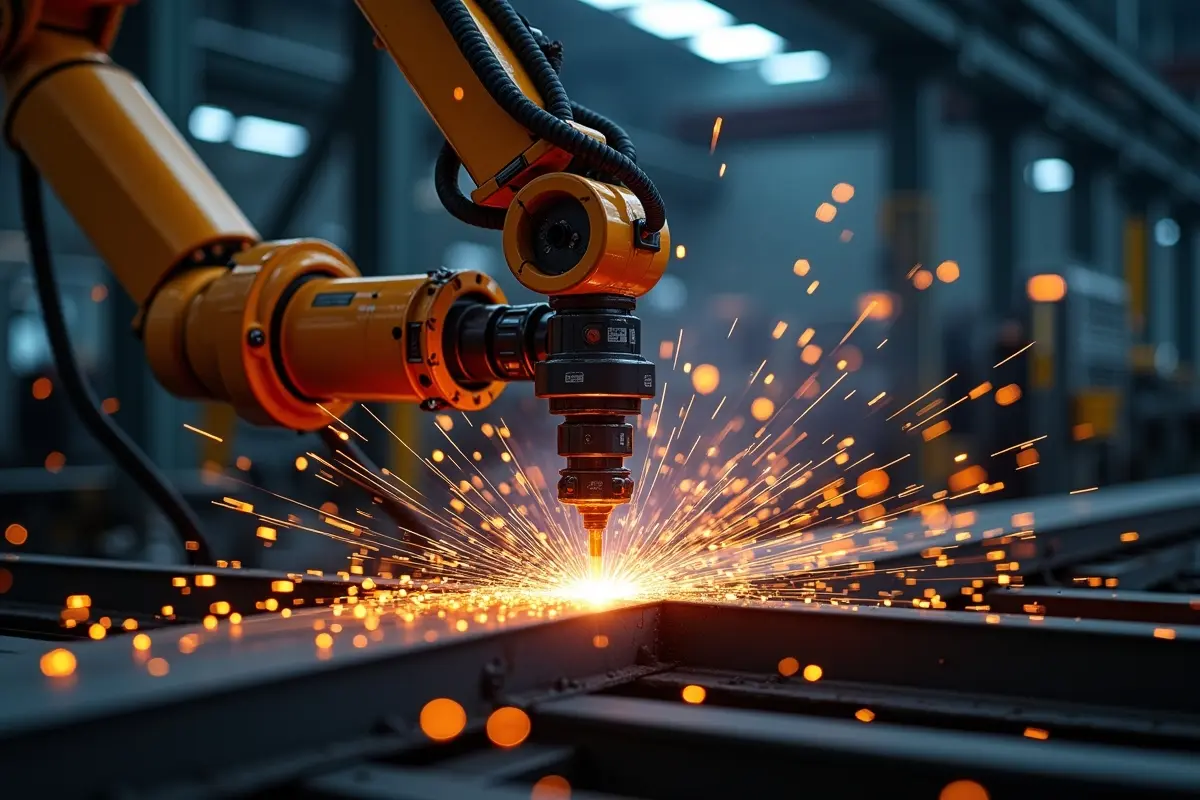
Over the last decade, the use of automation and robotics in precision welding has soared. Robots equipped with integrated sensors and advanced control algorithms deliver consistency and speed that far surpass those of manual methods. As a result, industries like automotive and heavy machinery manufacturing have adopted robotic welding cells to produce thousands of precisely identical welds daily, vastly improving quality control and throughput.
The value of such technology is not limited to mass production. Small and medium-sized fabrication shops are increasingly investing in collaborative robotics and user-friendly automation tools to enhance flexibility and responsiveness. By automating repetitive or hazardous welding tasks, organizations improve workplace safety and free up skilled technicians to focus on complex or high-value work, fostering a safer and more innovative work environment.
Training and Safety Standards
Despite the rapid automation of many welding tasks, human expertise remains essential. Skilled welders must continually update their knowledge and skills to keep pace with new machines, processes, and safety requirements. Comprehensive training ensures that operators can effectively manage advanced systems, address unexpected challenges, and intervene when precision adjustments are needed.
Safety is equally important. Welding inherently involves hazards such as intense heat, ultraviolet radiation, and harmful fumes. Following updated standards and using appropriate personal protective equipment (PPE) helps safeguard both individual welders and the overall fabrication process. Ensuring compliance with strict industry safety standards not only protects workers but also supports product quality and company reputation. For further reading, the Occupational Safety and Health Administration (OSHA) welding guidelines provide critical insights into workplace safety.
Conclusion
Precision welding remains a foundational element in delivering high-quality, durable products across modern industries. As technology continues to evolve, the integration of automation, robotics, and advanced process controls is enabling manufacturers to achieve unmatched levels of accuracy and efficiency. Combined with careful material preparation, ongoing worker training, and adherence to safety standards, today’s precision welding practices are driving the next generation of fabrication excellence.





0