

What Chico, California Homeowners Should Know Before a New Roof Goes On
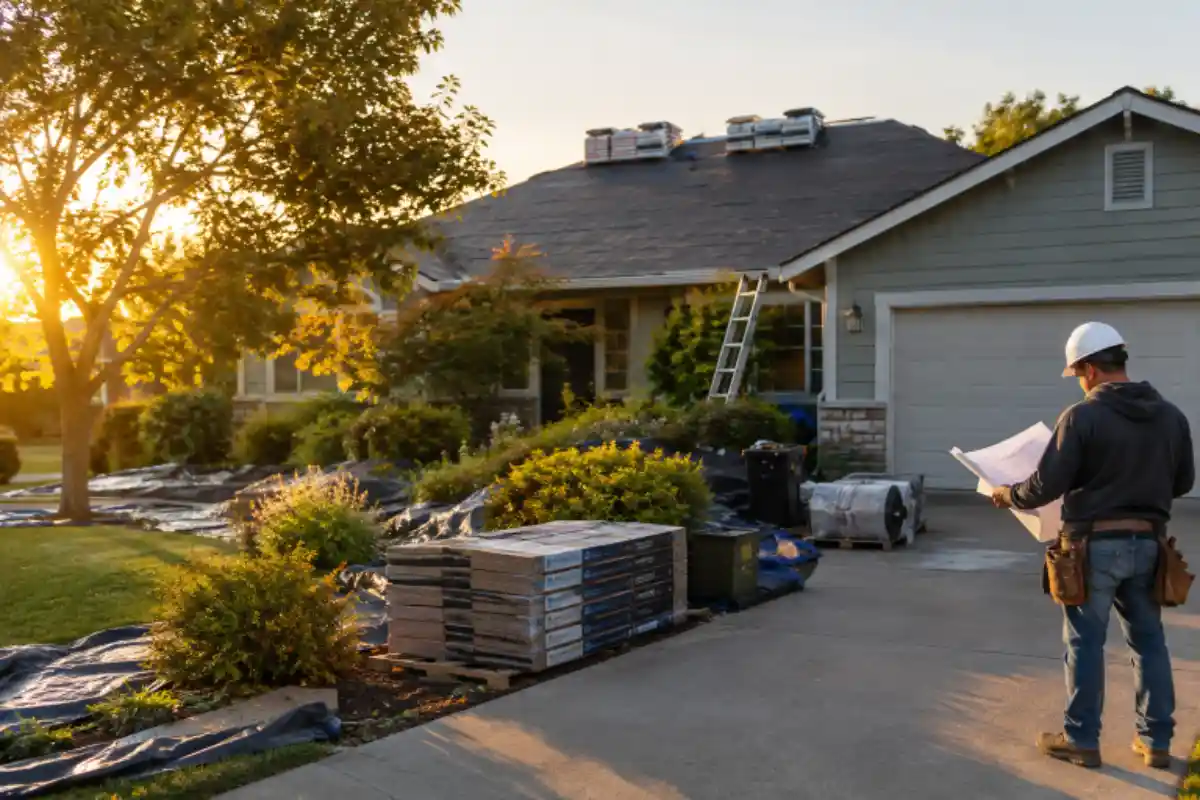
In Chico, a roof must contend with intense summer sun, seasonal rain, wind, falling branches, and debris. Understanding the planning and construction stages can help homeowners make clearer decisions before a project begins. A roof installation project involves more than selecting a color or visible roof covering. It also includes the layers, drainage details, openings, and supporting surfaces that help manage water.
A well-planned project gives homeowners time to compare written scopes of work, prepare the property, and ask how unexpected repairs will be handled. It also makes it easier to plan around noise, driveway access, pets, children, and weather-related schedule changes.
Why Roof Planning Matters
Roofing projects vary widely because homes vary in size, roof slope, number of valleys, skylights, chimneys, access points, and existing conditions. A written scope should identify the roof covering, underlayment, flashing, ventilation work, disposal arrangements, and the process for approving deck repairs. Comparing these details is more useful than comparing a single bottom-line number.
Signs It May Be Time for a New Roof
Not every concern calls for full replacement. A localized issue may be repairable, while repeated leaks, widespread material damage, sagging, or storm damage across several areas may warrant a more complete evaluation. Ceiling stains, loose or missing shingles, cracked tiles, damaged flashing, and unusually heavy granule loss in gutters are all reasons to arrange an inspection. Homeowners should inspect from the ground and avoid walking on steep, wet, or visibly damaged roof surfaces.
When recurring problems affect multiple areas or the existing roof is near the end of its useful service life, a full roof replacement may be easier to evaluate as a complete system rather than as a series of isolated repairs.
What to Confirm Before Work Begins
Before scheduling work, review the project details in writing. A clear agreement helps prevent confusion after materials arrive or old roofing is removed.
- Confirm the selected material, profile, and color.
- Ask whether old roofing will be removed and how debris will be contained.
- Clarify how damaged decking will be documented, priced, and approved.
- Determine whether permits or inspections are required for the property.
- Review the expected start window, estimated duration, and communication plan.
- Confirm how flashing, pipe boots, edge metal, valleys, and ventilation will be addressed.
- Request warranty terms, payment terms, and change-order procedures in writing.
How to Compare Roofing Materials
Roofing material selection should reflect the building, roof design, local exposure, maintenance expectations, and budget. Asphalt shingles are common and available in many styles. Metal roofing comes in different panel and shingle-like profiles. Tile and slate can offer long service lives, but their weight and installation requirements must be compatible with the home’s structure.
When comparing options, consider the expected durability, weight, repairability, availability of replacement materials, heat exposure, maintenance needs, and installation requirements for the selected product. A detailed roofing buying guide can also help homeowners understand why flashing, underlayment, ventilation, and warranty conditions deserve attention alongside the visible material.
The Roof Installation Process, Step by Step
Although details differ by roof type and material, the work generally follows an organized sequence:
- Property setup: Work areas, access routes, and nearby surfaces are prepared for the project.
- Material delivery: Roofing products and equipment are delivered before or near the start date.
- Tear-off: Existing materials are removed when the project calls for a full replacement.
- Deck inspection: The roof deck is inspected for moisture damage, rot, or weak areas concealed by the old roof.
- Repairs: Approved decking or related repairs are completed before new layers are installed.
- Protection layers: Underlayment and water-shedding details are installed over the prepared deck.
- Flashing and edge work: Vulnerable transitions around walls, chimneys, vents, valleys, and roof edges are addressed with appropriate components.
- Roof covering and finishes: The chosen shingles, panels, or tiles are installed, followed by ridge details, vents, and pipe boots.
- Cleanup and review: Debris is removed, and the completed work is reviewed.
This general installation sequence underscores the importance of inspecting the deck and installing protective layers before the finished roof covering is installed.
How to Prepare the Home and Yard
Preparation reduces avoidable disruption. Move vehicles away from the driveway and work zone, clear patio furniture and grills, and secure pets indoors. Tell the work crew about irrigation lines, outdoor lighting, cameras, gates, fragile landscaping, or other features that may need attention. Inside the house, remove fragile wall-hung items if vibration is a concern, and protect attic belongings from dust that may be stirred up during tear-off.
How Long Installation Takes and Why Weather Matters
No single timeline applies to every Chico home. A straightforward roof with easy access may move more quickly than a large or complex roof with several slopes, dormers, skylights, multiple layers of old roofing, or concealed deck damage. Product availability, permits, inspections, and cleanup also affect scheduling.
Weather can change the plan. Rain can interrupt work on exposed sections, while high winds can make ladder use and material handling unsafe. Extreme heat may require additional safety breaks and changes to the work pace. Homeowners should ask how open areas will be protected if weather develops and should expect schedule adjustments when conditions are unsafe.
What to Review After Installation
At the final walkthrough, check that visible debris has been removed from driveways, walkways, and landscaping. Ask whether nails were collected with magnetic tools, and review visible edges, vents, flashing, gutters, and exterior fixtures. Keep the contract, material specifications, permit records, inspection documents, invoices, approved change orders, photographs, and warranty paperwork together for future maintenance or property-sale records.
Questions Homeowners Commonly Ask
Can homeowners stay inside during installation?
Many do, but roof work can be loud and may create vibration. People working from home, households with infants, and noise-sensitive pets may prefer to plan time away during tear-off or other especially noisy stages.
What happens if hidden damage is found?
Some deck conditions cannot be fully seen until existing materials are removed. Added work should be explained clearly, priced separately when appropriate, and approved before it proceeds.
Should the lowest estimate decide the project?
Not by itself. Review what each proposal includes, especially removal, disposal, underlayment, flashing, ventilation, deck repairs, cleanup, and warranty terms. A lower estimate may cover a narrower scope of work.
Final Thoughts
A successful roofing project depends on careful planning, suitable materials, safe work practices, and a complete final review. Chico homeowners do not need to manage each technical step, but they should understand what is included, how the home and yard will be protected, how changes will be approved, and which documents to keep once the work is complete.


0