

How to Choose a Front Door: Match Style, Comfort, and Security to Your Home
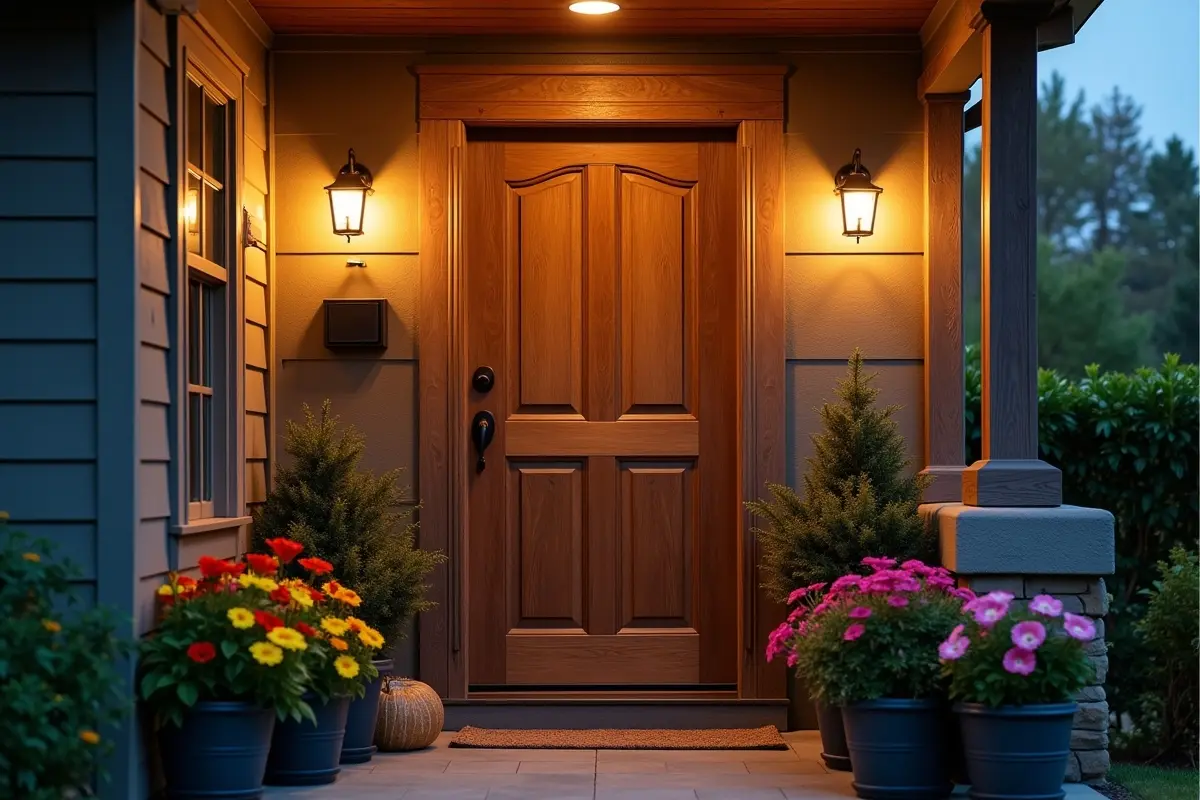
A front door does more than create a first impression. It helps manage weather, privacy, daily traffic, comfort, and home security. Before comparing finishes or decorative glass, read the front door buying guide to approach the project as a complete entry-system decision.
The best choice is rarely the most expensive or the most dramatic-looking option. It is the door that suits your climate, fits the opening correctly, matches the home’s architecture, and has the frame, seals, hardware, and installation quality needed for reliable everyday use.
Why a Front Door Needs More Than a Style Check
A beautiful door can still be disappointing if it sticks, leaks air, exposes too much of the interior, or has weak locking hardware. Think of the door, jamb, threshold, seals, and hardware as one connected system. For example, a sun-exposed entry may need a finish that holds up well to repeated heat and ultraviolet exposure, while a deep covered porch can give a wider range of finish options.
Start With the Home and Its Location
Consider what the entry faces every season. Humidity, coastal salt air, rain, snow, wind, and direct afternoon sun can all influence the right material and finish. Also, look at the porch depth, roof overhang, siding or masonry, trim, roofline, and landscaping. A door should feel proportionate to the entry rather than appearing too small, too heavy, or visually disconnected from the rest of the exterior.
Before shopping, write down your three highest priorities:
- Improved security
- Less maintenance
- More daylight or privacy
- Better energy performance
- A stronger exterior design statement
Compare Common Front Door Materials
Wood Doors
Wood offers natural texture, warmth, and broad customization options. It can be painted or stained and is often a strong fit for traditional, craftsman, rustic, and high-detail homes. However, wood needs ongoing attention. Paint, stain, and protective coatings may need renewal, especially on a door with strong sun or weather exposure. Good sealing on all surfaces and proper installation are important for long-term performance.
Fiberglass Doors
Fiberglass is often chosen for its moisture resistance and lower-maintenance appeal. Many designs use molded grain patterns that can create a wood-inspired appearance. Compare models closely, since the core, skin thickness, finish, frame, and weatherstripping affect the finished result. Fiberglass can be a practical option where seasonal temperature and humidity changes are a concern.
Steel Doors
Steel doors are rigid and commonly selected for security-focused entries. They can be a valuable asset, but scratches, dents, and exposed edges should be repaired promptly to help prevent corrosion. A steel slab alone does not determine entry security. The strike plate, fasteners, hinges, frame condition, and lock installation matter just as much.
Composite and Hybrid Doors
Composite and hybrid doors may combine insulating cores, engineered surfaces, and durable exterior skins. Their performance varies by manufacturer and construction, so ask what materials are used in the slab, frame, threshold, and glass assembly.
- For natural character and customization: consider wood, with a realistic maintenance plan.
- For moisture resistance and a wood-like look: compare fiberglass options.
- For rigidity and security potential: consider steel with protected finishes and reinforced hardware.
- For balanced performance: review composite construction details rather than relying on broad labels.
Use Energy Ratings to Compare Comfort
Insulation, weatherstripping, glazing, and installation all affect how an entry feels. U-factor describes how readily heat moves through a product, while solar heat gain coefficient indicates how much solar heat passes through glazing. Air leakage ratings can also help compare products. When reviewing options, use energy-performance guidance for doors in your climate zone to understand how certified products are evaluated.
Even a well-rated door can feel drafty if the rough opening, jamb, threshold, or weather seals are installed poorly. Ask how gaps around the frame will be insulated and sealed, and make sure the threshold is adjusted correctly.
Choose Glass for Light, Privacy, and Comfort
Glass inserts, sidelights, and transoms can brighten an entry, but they also change privacy and solar exposure. Clear glass provides the most open view. Frosted, textured, tinted, and decorative glass can admit daylight while limiting visibility. For exposed entries, insulated glass can improve comfort compared with basic single-pane glass. Consider what people can see from the sidewalk and what you want to see from inside the home.
Check Security From the Frame Inward
Start at the frame and strike area, not just the door slab. Look for a properly installed deadbolt or multipoint lock, a reinforced strike plate, long screws that reach solid framing where appropriate, and hinges suited to the door’s weight and swing. Smart locks can add convenience, but they should be matched with sound mechanical hardware. Test any lock with the door fully closed, since alignment issues can affect everyday operation.
Get the Size and Swing Right
Measure the existing slab, the frame, rough opening, jamb depth, and threshold height. Confirm whether the door is left or right-handed and whether it swings inward or outward. Check clearance for steps, nearby walls, furniture, walkways, and screen or storm doors. A slab replaces only the door panel, while a prehung unit includes the slab within a new frame. Older, damaged, or uneven openings should be professionally measured before ordering.
Match the Design to the Home
Modern homes often suit clean lines and minimal panels. Traditional homes may benefit from raised panels, divided-light glass, or more detailed surrounds. Farmhouse-inspired entries can work with simple panel patterns and restrained decorative elements, while transitional homes often balance classic shapes with simpler hardware. A thoughtful front-door selection weighs material, climate, maintenance, security, and solar orientation alongside appearance, reflecting the design considerations homeowners emphasize.
Build a Realistic Budget and Review Installation
Price the complete project, not just the slab. Include the frame, threshold, glass, lockset, hinges, finish, delivery, removal, trim repairs, and labor. Custom sizes, double doors, sidelights, transoms, and specialty glass can increase the total. Request itemized estimates so you can compare scope and price.
Ask the installer how the sill, flashing, shims, insulation, sealant, and drainage will be handled. Confirm the opening is level, plumb, and square. Review the warranty coverage for the slab, frame, finish, glass, hardware, and labor, including exclusions for moisture, finish damage, maintenance, or improper installation.
Common Front Door Mistakes to Avoid
- Choosing style before confirming measurements and swing direction.
- Focusing on the slab while overlooking the frame and threshold.
- Adding large glass areas without planning for privacy or sun exposure.
- Assuming low maintenance means no maintenance.
- Comparing quotes that do not include the same installation work.
- Skipping a review of weather seals, energy labels, and warranty details.
Frequently Asked Questions
What is the best material for a front door?
There is no universal best choice. Climate, maintenance preferences, design, security goals, exposure, and budget should guide the decision.
Are fiberglass doors better than wood doors?
Fiberglass generally requires less upkeep and resists moisture well, while wood offers natural character and greater customization. The better option depends on the desired appearance and willingness to maintain the finish.
Are glass front doors secure?
They can be, provided the glass, frame, locks, strike area, and installation are appropriate for the entry. Evaluate the entire assembly rather than judging security by glass alone.
Is replacing the door enough to stop drafts?
Not always. Drafts can come from the door slab, weatherstripping, threshold, frame, or surrounding wall opening. A complete inspection is the best way to identify the source.
Conclusion
The right front door balances appearance with comfort, privacy, security, maintenance, accurate sizing, and skilled installation. Choose the complete entry system with the same care you give the color or panel style, and the result will serve the home more reliably for years to come.




0