

Upgrading Your Office with Modern Breakroom Solutions
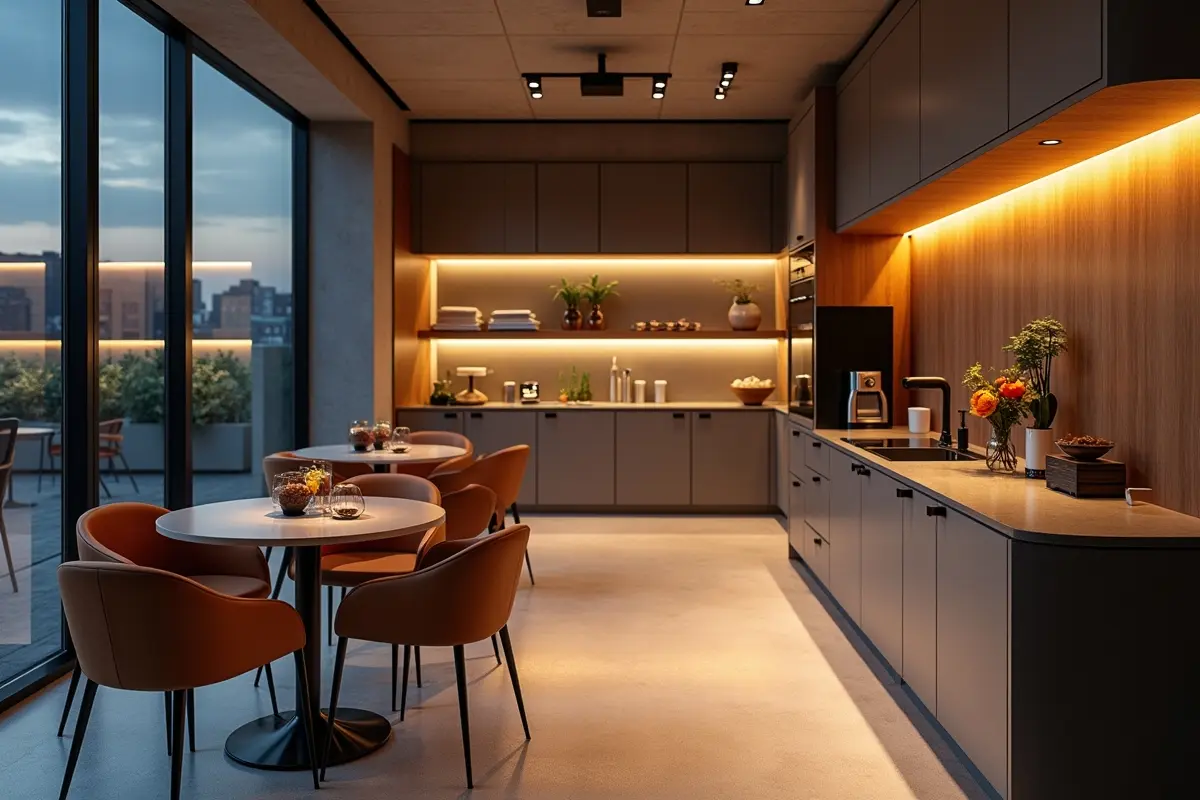
In the demanding pace of professional life, finding time for a nutritious meal can feel like an impossible task. We know the challenge of balancing deadlines with the need to refuel and stay productive throughout the day. Traditional office breakrooms often fall short, leaving employees to seek outside options or skip meals altogether.
However, the modern workplace is evolving. Forward-thinking companies are recognizing that employee well-being and productivity are directly linked to easy access to healthy food. This is where the concept of grab-and-go meals, integrated into upgraded office breakroom solutions, becomes invaluable.
We believe that providing convenient, high-quality food options can significantly enhance the employee experience. This article will guide you through the exciting world of modern breakrooms, exploring how they offer everything from fresh breakfast options to satisfying lunch entrees. We’ll cover practical meal ideas, essential tools, and strategies for creating a dynamic and efficient dining space right within your office, focusing on how these comprehensive breakroom solutions transform the daily grind into an opportunity for sustained energy and focus.
The Evolution of Office Breakroom Solutions
The landscape of work has undergone significant transformation in recent years. With the rise of hybrid schedules and a renewed focus on employee retention, workplace modernization has become a top priority for organizations globally. This shift extends beyond flexible hours and advanced technology; it encompasses the very environment in which employees spend their day. Breakroom amenities, once an afterthought, are now recognized as crucial elements in fostering a positive and productive company culture. The demand for convenience dining within the office walls has never been higher, reflecting a broader societal trend towards accessible, ready-to-eat options that fit seamlessly into busy lifestyles.
Why Modern Teams Value Office Breakroom Solutions
Modern teams, composed of diverse individuals with varied dietary needs and time constraints, place immense value on efficient office breakroom solutions. The primary benefit is undeniable time savings. Employees no longer need to spend precious lunch breaks commuting to external eateries or waiting in lines, which translates to more time for relaxation or focused work. This immediate access to food helps maintain midday energy levels, preventing the afternoon slump that often follows a skipped or unhealthy meal.
Beyond convenience, these solutions promote balanced nutrition by offering a wider array of healthy choices than traditional vending machines. This focus on corporate wellness contributes to a healthier workforce, potentially reducing sick days and boosting overall morale. Well-designed breakrooms with quality grab-and-go options foster greater employee engagement, signaling that the company invests in their well-being and understands their need for practical, nourishing support throughout the workday.
Transitioning from Traditional Vending to Micro Markets
The evolution of office refreshment services has seen a significant transition from outdated vending machines to sophisticated micro markets. Traditional vending, with its limited selection and often unhealthy choices, no longer meets the expectations of today’s workforce. Micro markets, on the other hand, offer a dynamic and appealing alternative, resembling a mini convenience store right within the office.
Key features of micro markets include open shelving, allowing employees to browse products freely, much like a retail store. This transparency enhances the shopping experience and encourages healthier choices. Cashless payments are standard, providing a seamless and secure transaction process through self-checkout kiosks. Crucially, micro markets excel in fresh food access, stocking a variety of sandwiches, salads, fruits, and prepared meals that were previously unavailable through vending. The integration of touchless technology further enhances hygiene and user convenience, making the entire experience modern, efficient, and appealing.
Essential Grab-and-Go Meal Concepts for the Workplace
Providing essential grab-and-go meal concepts for the workplace means offering a diverse and appealing range of options that cater to various tastes and dietary requirements. The focus should be on fresh ingredients, ensuring that employees have access to high-quality, nourishing food. Incorporating high-protein meals is vital for sustained energy and satiety, helping to keep staff focused throughout their day. Dietary diversity, including vegetarian, vegan, and gluten-free alternatives, ensures inclusivity and caters to the specific needs of a broad workforce. The goal is to provide balanced nutrition in a convenient, ready-to-eat format.
Nutrient-Dense Breakfast and Morning Fuel Options
Starting the day with a nutritious meal is crucial for productivity, and grab-and-go breakfast options make this effortless. Here are some top choices for morning fuel:
- Overnight Oats: A perennial favorite, overnight oats are incredibly versatile. Prepared in jars, they combine rolled oats, milk (dairy or non-dairy), chia seeds, and often fruit or nuts. The Pinterest board “Grab-n-Go meals” highlights the visual appeal of layering yogurt and blueberries in jars for a quick, no-cook, portable breakfast. These can be customized with various toppings and flavors, offering a nutrient-dense start to the day.
- Breakfast Burritos: Hearty and satisfying, breakfast burritos are excellent for make-ahead meal prep. A popular recipe for “Make-Ahead Breakfast Burritos” yields 20 burritos, each providing approximately 290 calories, 12g protein, and 21g carbohydrates. These can be filled with eggs, cheese, sausage, and even mini tater tots for added texture, then wrapped and frozen for easy reheating. For a plant-based option, Amy’s Kitchen California Breakfast Wrap offers a delicious blend of Tex-Mex and American flavors, packing 16g protein and 380 calories per serving with organic ingredients like tofu scramble and veggie bacon.
- Greek Yogurt Parfaits: Layered with granola, fresh berries, and a drizzle of honey, Greek yogurt parfaits offer a high-protein, calcium-rich option. They are easy to assemble in jars or cups, providing both convenience and visual appeal.
- Egg Wraps/Bites: For a low-carb, high-protein choice, consider egg wraps or pre-made egg bites. Products like egglife® Grab & Go Tacos boast 16g protein and only 3g carbs, demonstrating how innovative products can cater to specific dietary preferences within the grab-and-go framework.
- Fresh Fruit & Nut Butter Packs: Simple yet effective, pre-portioned fruit (like apple slices or grapes) paired with individual servings of nut butter offers natural sugars for energy and healthy fats for satiety.
Fresh Lunch Entrees, Salads, and High-Protein Bowls
For midday meals, grab-and-go options need to be substantial, fresh, and capable of sustaining energy through the afternoon.
- Mason Jar Salads: These are a fantastic way to keep salads fresh and prevent sogginess. By layering dressing at the bottom, followed by hard vegetables, grains, protein, and then leafy greens on top, the salad remains crisp until it’s time to eat. The Pinterest board “Grab-n-Go meals” showcases how “cutest Salads To Go” can be packed in plastic tumblers or cups for maximum portability and visual appeal.
- Artisan Wraps & Sandwiches: Beyond basic deli sandwiches, offering wraps with gourmet fillings, grilled vegetables, hummus, or lean proteins provides a more exciting and healthful option. These can be prepared with whole-grain tortillas or bread for added fiber.
- Grain Bowls: Customizable and nutrient-dense, grain bowls typically feature a base of quinoa, brown rice, or farro, topped with roasted vegetables, a lean protein (chicken, tofu, chickpeas), and a flavorful dressing. These offer a balanced meal with complex carbohydrates, protein, and fiber.
- Protein Packs: For those seeking pure protein and quick fuel, pre-packaged protein packs containing hard-boiled eggs, cheese sticks, nuts, and perhaps some sliced turkey or chicken are ideal.
- High-Protein Pockets/Burritos: Adaptations of breakfast burritos or savory pockets can serve well for lunch. For instance, a “Sheet Pan Breakfast Burrito” concept, if adapted for lunch fillings, could provide a substantial 29 grams of protein per two servings. Similarly, recipes like “Chicken Bacon Ranch Pockets,” designed as high-protein meal prep using Greek yogurt dough, offer a delicious and satisfying lunch option that can be made in batches.
- Gluten-Free Alternatives: Ensuring options like gluten-free wraps, salads with gluten-free grains, or dedicated protein packs caters to employees with specific dietary needs, promoting inclusivity in the breakroom.
Designing an Efficient Micro Market and Dining Space
Creating an efficient micro market and dining space within an office requires careful planning to maximize utility and user experience. Modular layouts are key, allowing for flexibility and scalability to fit various office sizes and floor plans. Commercial refrigeration units are essential for maintaining the freshness and safety of perishable grab-and-go items, from salads to dairy products.
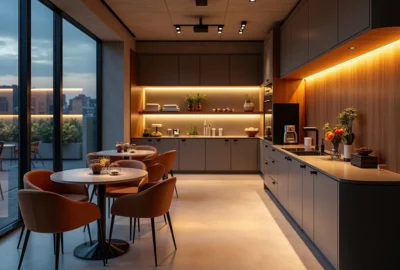
Space optimization is crucial, especially in urban environments where square footage is at a premium. Strategic placement of shelving, refrigeration, and self-checkout kiosks can create a high-traffic flow that is both intuitive and convenient for employees. Ambient lighting also plays a significant role, enhancing the visual appeal of the products and creating a welcoming atmosphere that encourages employees to utilize the space.
Customizing Dynamic Office Breakroom Solutions for Any Floor Plan
The beauty of modern office breakroom solutions lies in their adaptability. Whether an office occupies a sprawling campus or a compact urban floor, these systems can be customized to fit. Modular displays and shelving units can be arranged to create dedicated zones for fresh food, beverages, and snacks, even in minimal square footage.
Careful consideration of power management is necessary to support refrigeration and self-checkout technology efficiently. Beyond the market itself, ergonomic seating options can transform a simple break area into a comfortable dining space, encouraging employees to relax and recharge. Thoughtful placement of waste stations, including recycling and compost systems, also contributes to a clean and sustainable environment.
| Feature | Traditional Vending Machines | Modern Micro Markets |
| Product Display | Closed, behind glass; limited view | Open shelving, inviting display |
| Product Variety | Limited to packaged snacks, canned drinks | Fresh food, healthy options, full meals, beverages, snacks |
| Payment System | Cash, coin, card reader; often unreliable | Cashless, mobile pay, self-checkout kiosks; reliable |
| Shopping Experience | Transactional, often frustrating | Retail-like, browse and select |
| Space Required | Small footprint per machine | Larger footprint for open shelving and seating |
| Maintenance | Requires specific vendor service | Daily stocking, cleaning, tech support |
| Customization | Very limited | Highly customizable layout and product selection |
| Temperature | Limited to cold drinks, some refrigerated snacks | Multi-zone refrigeration for fresh, frozen, and ambient |
| Best Practices | Best Practices for Freshness, Safety, and Daily Maintenance | Best Practices for Freshness, Safety, and Daily Maintenance |
Maintaining the integrity of grab-and-go meals in an office micro market hinges on rigorous adherence to best practices for freshness, food safety, and daily maintenance. Temperature regulation is paramount; all perishable items must be stored in temperature-monitored refrigerated cases to prevent spoilage and bacterial growth. This ensures that items like salads, yogurts, and wraps remain safe and appealing for consumption.
Daily restocking is crucial to keep shelves full and appealing, preventing empty slots that deter usage. Equally important is inventory rotation, following a “first-in, first-out” (FIFO) system to ensure that older products are sold before they expire, minimizing waste and guaranteeing freshness. Regular cleaning of all surfaces, equipment, and display areas is essential to uphold hygiene standards and create a pleasant environment for employees.
Storage, Prep Stations, and Reheating Essentials
For a fully functional and user-friendly breakroom, incorporating the right storage, prep stations, and reheating essentials is vital. Ample commercial microwaves should be available to accommodate peak usage times, allowing employees to quickly warm their grab-and-go meals. Dedicated prep counters provide a clean space for employees to assemble or customize their meals, whether it’s adding dressing to a salad or condiments to a sandwich.
Stocking eco-friendly cutlery, napkins, and other disposables demonstrates a commitment to sustainability. Furthermore, providing solutions for airtight containers encourages employees to bring their own reusable containers for leftovers or personal meal prep, reducing waste. Finally, implementing efficient compost systems and recycling bins makes it easy for employees to dispose of waste responsibly, contributing to a cleaner and more environmentally conscious workplace.
Frequently Asked Questions About Modernizing Breakrooms
How do grab-and-go options improve office productivity?
Grab-and-go options significantly enhance office productivity by minimizing the time employees spend acquiring food. With quick meal access directly within the workplace, staff can avoid leaving the premises, reducing offsite transit time. This means less time spent traveling and waiting, and more time available for work or a proper break. Furthermore, readily available nutritious meals contribute to sustained energy levels throughout the day, combating the mid-afternoon slump and keeping employees focused and alert. The flexibility of these options also supports diverse work schedules, ensuring everyone has access to convenient meals regardless of their break times.
What is the difference between a vending machine and a micro market?
The fundamental difference between a traditional vending machine and a modern micro market lies in their design, offerings, and user experience. Vending machines typically offer a limited selection of pre-packaged snacks and drinks behind glass, requiring specific payment for each item.
In contrast, micro markets feature open display shelving, allowing employees to physically pick up and examine products before purchasing. They offer an expanded fresh inventory, including salads, sandwiches, fresh fruit, and full meals, alongside traditional snacks and beverages. Payment is usually handled through touchless payment kiosks, providing a seamless self-checkout experience similar to a retail store. This open, self-service format and broader product range make micro markets a more appealing and flexible option than their vending counterparts.
What space is required to implement an upgraded breakroom system?
The space required for an upgraded breakroom system, particularly a micro market, is highly adaptable due to its modular design. While more space is generally beneficial for a wider selection and comfortable dining area, micro markets can be tailored to fit minimal square footage.
Key considerations include dedicated electrical access for refrigeration units and self-checkout kiosks, as well as an accessible traffic route to ensure ease of use and efficient restocking. The modular nature of display units and refrigeration allows for flexible configurations, making it possible to integrate a modern breakroom solution into various office layouts, from small nooks to expansive lounge areas.
Conclusion
Investing in modern breakroom solutions and grab-and-go meals is more than just an amenity; it’s a strategic workplace investment that profoundly impacts employee wellbeing and daily convenience. By providing easy access to fresh, nutritious, and diverse food options, companies can foster a more productive, engaged, and satisfied workforce.
The transformation from traditional breakrooms to dynamic micro markets reflects a forward-thinking approach to employee support, ensuring that busy professionals have the fuel they need to thrive. As we move further into September 2026, the emphasis on holistic employee experience continues to grow, making an upgraded breakroom an indispensable part of a contemporary and competitive workplace.

0