

When a Plumbing Problem Calls for Professional Help in Lakeland, Florida: A Homeowner’s Guide
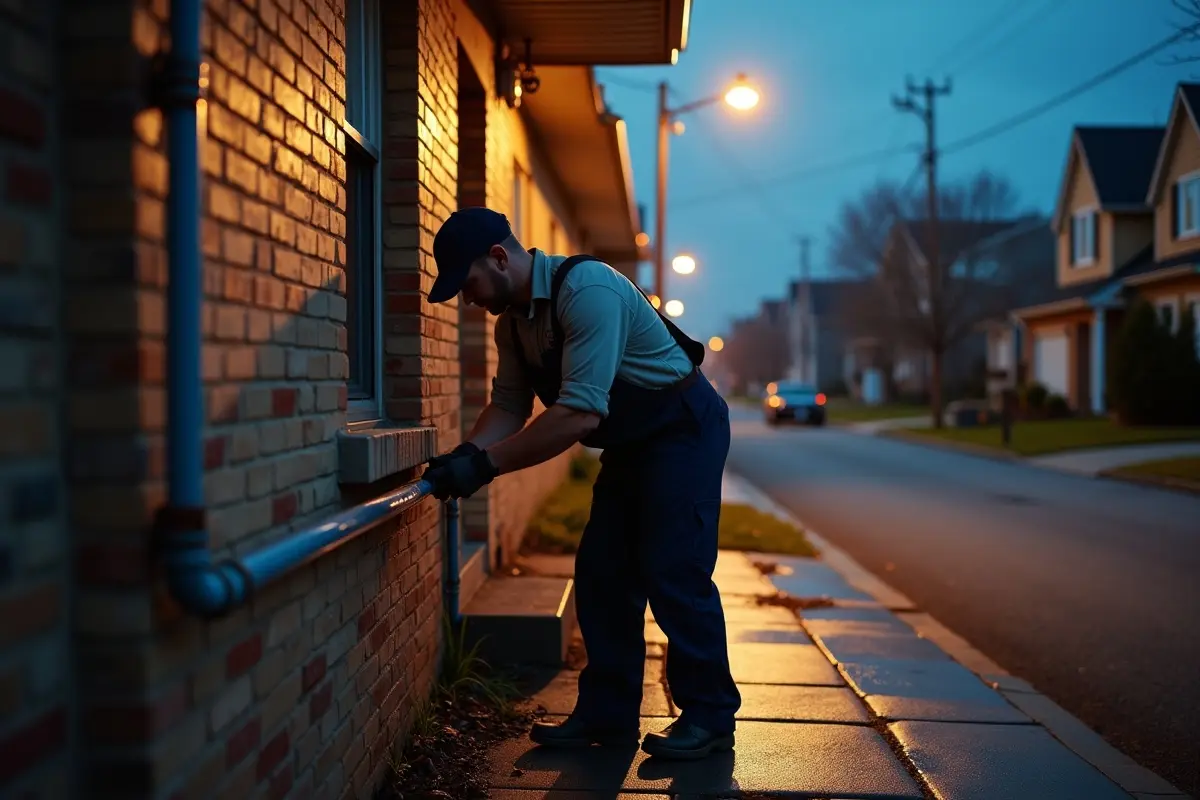
In Lakeland, Florida, a plumbing issue can quickly escalate from an inconvenient drip to a serious property concern, especially when moisture is already common around homes during warm, rainy periods. Knowing when to monitor a problem, attempt a basic repair, or contact a professional plumber can help homeowners make safer decisions before damage spreads.
Most plumbing emergencies do not start with a dramatic burst pipe. A recurring clog, a damp cabinet floor, a running toilet, or a musty smell may be the first visible sign of a larger issue in a drain, a supply line, a fixture, or a hidden section of pipe. Paying attention early can reduce disruption and help protect floors, walls, and belongings.
Small Signs That Should Not Be Ignored
A higher-than-usual water bill, even when household habits have not changed, can be a reason to check for leaks. The City of Lakeland explains how residents can check for a leak by using the water meter and watching for movement when water is not being used.
Other warning signs include water stains on ceilings or walls, peeling paint, warped trim, low pressure at several fixtures, gurgling drains, or puddles beneath sinks and appliances. In a humid Florida home, a persistent musty odor warrants attention, as it may indicate unwanted moisture rather than a temporary odor.
- A toilet that continues running after flushing
- A drain that clogs again shortly after being cleared
- Discolored water around a pipe connection or valve
- Wet or unusually warm flooring with no known spill
- Rust, corrosion, or mineral buildup around exposed fittings
Where Simple DIY Repairs Reach Their Limit
Careful homeowners may be able to clean a sink strainer, replace a showerhead, clear a minor hair clog, or change a worn toilet flapper. Stop the repair if water must be shut off to several areas, a fitting is corroded, the source is concealed, or the same symptom returns. Repeated trouble usually means the visible problem is not the entire problem.
Avoid forcing stuck valves or overtightening connections, since either can damage older parts. Chemical drain cleaners also require caution because they can create fumes, harm certain plumbing materials, and complicate work on a blocked drain. When a situation involves sewage, gas equipment, electrical components, hidden pipes, or substantial water damage, a professional local plumber in Lakeland may be better equipped to assess the cause safely. Resources can provide information about local plumbing services.
Plumbing Problems That Need Fast Action
A plumbing emergency is a problem that threatens health, property, or essential water service. Water flowing from a broken pipe can quickly damage building materials, while sewage entering a sink, tub, or floor drain can contaminate the area. Do not wait for normal business hours when the condition is actively worsening.
- A pipe is leaking heavily, and the water cannot be shut off at the fixture valve.
- Water is pouring through the ceiling, wall, or floor.
- Sewage is backing up into tubs, showers, sinks, or toilets.
- Water is near outlets, electrical panels, or plugged-in equipment.
- A water heater is leaking heavily, producing steam, or making unusual noises.
- Several drains are backing up at once, or toilets will not flush properly.
What To Do Before Help Arrives
The immediate priority is reducing the water flow without creating another hazard. If the issue is limited to a sink, toilet, dishwasher, or washing machine, use the nearby shut-off valve if it operates normally. If the source is unknown or a local valve does not stop the leak, turn off the home’s main water supply.
- Keep people and pets away from standing water, especially near electricity.
- Turn off the appropriate water valve if it is safe to reach.
- Move electronics, furniture, rugs, and stored belongings away from the affected area.
- Place containers under minor drips only if doing so does not create a slip hazard.
- Photograph visible damage and note when the problem began.
- Do not use fixtures connected to a suspected sewer or main-drain backup.
Common Problems and What They May Mean
Slow Drains
One slow drain may have a local buildup near that fixture. Multiple slow or gurgling drains can suggest a larger issue farther along the drainage system. A plunger may help with a minor toilet or sink blockage, but a recurring pattern warrants further evaluation.
Running Toilets
A running toilet often involves a flapper, fill valve, or tank adjustment. The U.S. Environmental Protection Agency recommends checking toilets for silent leaks with a simple dye test and inspecting fixtures regularly as part of home plumbing maintenance.
Low Water Pressure
Low pressure at one faucet can result from debris or mineral buildup in an aerator. Low pressure throughout the home may have a different cause, such as a supply issue, a pressure-control concern, or a leak. Avoid assuming that one simple cleaning will resolve a whole-house problem.
Water Heater Trouble
Leaks, corrosion, inconsistent water temperature, or unusual sounds around a water heater should not be ignored. Water heaters involve hot water, pressure, and either electrical or fuel-related components, so repairs should be approached cautiously.
A Practical Plumbing Maintenance Routine
Short, regular checks are easier than responding to a major surprise. Once a month, look under sinks, around toilets, near appliance hoses, and around the water heater for moisture, corrosion, or staining. Also, look at outdoor spigots and irrigation connections after periods of heavy rain or yard work.
- Monthly: Check visible pipes, fixture bases, cabinet floors, and appliance connections.
- Every few months: Test that accessible shut-off valves can be operated gently.
- Once a year: Check toilets for silent leaks and review water-use patterns.
- Before travel: Inspect for active leaks and consider whether turning off the main supply is appropriate.
Questions Homeowners Often Ask
Can a homeowner fix a leaking faucet?
Sometimes. A worn gasket, washer, cartridge, or aerator may be replaceable. If the leak continues, a valve is damaged, or corrosion is present, the repair may require more than a basic part replacement.
When is a clogged drain an emergency?
A single slow drain is not always urgent. An overflowing fixture, sewage backup, or blockage affecting several drains should be treated as a prompt concern.
Where is the main water shut-off valve?
It is often near the water meter or where the main water line enters the home. Its location varies, so finding it before an emergency is an important household task.
Final Thoughts
Good plumbing care begins with noticing small changes and responding before they grow. In Lakeland homes, keeping an eye on leaks, drainage, fixture condition, and moisture around plumbing can make problems easier to manage. When the issue involves hidden water, sewage, major leaks, or safety concerns, prompt professional help is the most sensible next step.



0