

Which Powertrain Makes Sense for Your Commute, Budget, and Lifestyle?
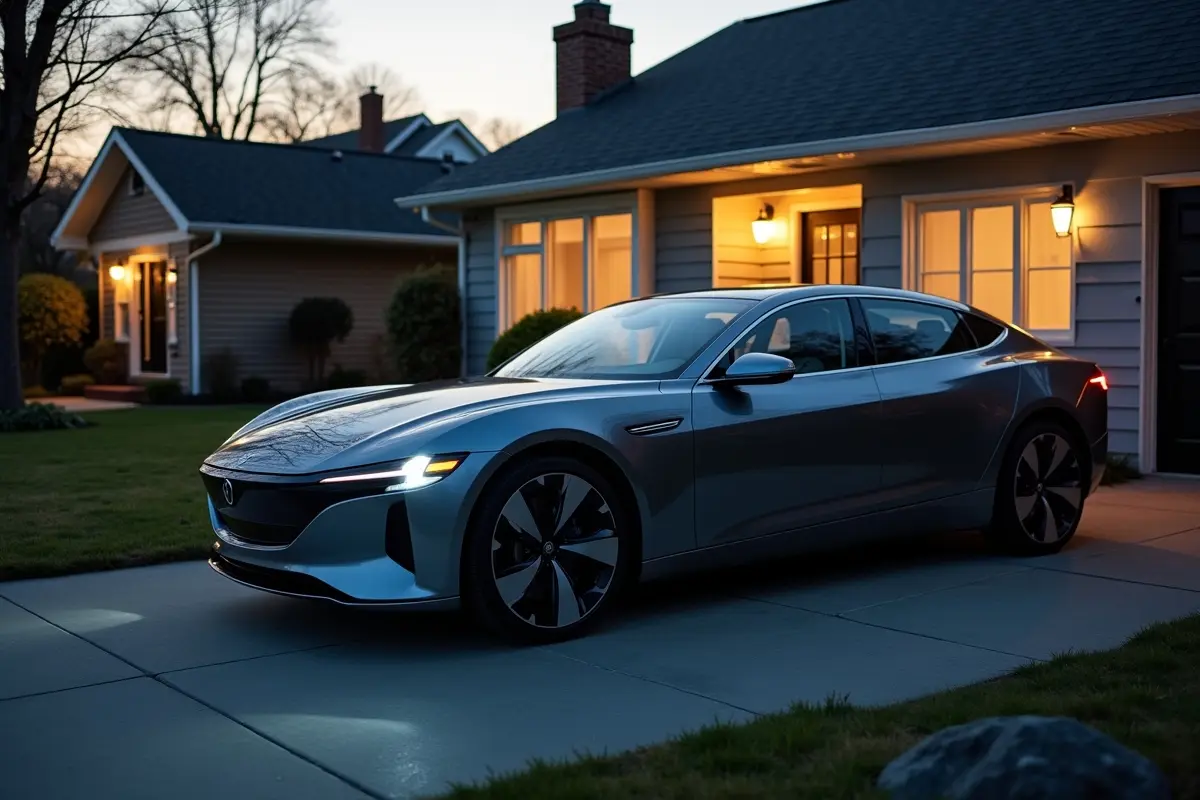
Choosing a vehicle in 2026 is no longer just about picking a body style, color, or trim level. Drivers can choose among traditional gas engines, hybrids, plug-in hybrids, and fully electric vehicles, each with meaningful strengths and compromises. You can learn more about available vehicle options while comparing them against the way you actually drive.
The best powertrain is not necessarily the newest technology or the one with the most impressive specification sheet. It is the option that suits your commute, parking situation, budget, family needs, road-trip routine, and expected ownership period.
Why Powertrain Choice Matters More
More choices give shoppers more flexibility, but they can also make the research process feel complicated. A driver who travels 25 miles a day and parks in a garage has different needs than someone who covers hundreds of highway miles every week, tows equipment, or lives where charging is inconvenient. Looking at your routine first helps prevent buying a vehicle that is impressive on paper but frustrating in daily life.
Before comparing models, consider your average weekday mileage, city versus highway driving, access to home or workplace charging, road-trip frequency, passenger space, cargo requirements, towing needs, and how long you plan to keep the vehicle.
Gas Vehicles: Familiar and Flexible
Gas-powered vehicles remain a practical fit for many households. They offer quick refueling, broad availability across cars, trucks, SUVs, and performance vehicles, plus a familiar ownership experience. For drivers with irregular schedules, long-distance routes, rural travel, or limited access to charging, that flexibility can be especially valuable.
Gas models also provide a wide range of towing and hauling choices. The tradeoff is ongoing fuel spending and traditional engine maintenance, including oil changes, filters, fluids, belts, and other wear items. Fuel economy varies widely, so comparing real-world efficiency between models still matters.
Standard Hybrids: Better Efficiency Without Plugging In
A standard hybrid combines a gasoline engine, electric motor, and battery. Unlike a plug-in hybrid, it does not need to connect to an external charger. The battery is replenished through regenerative braking and the vehicle’s engine, which makes this powertrain especially convenient for drivers who want better efficiency without changing their routine.
Hybrids often perform particularly well in stop-and-go traffic because they can recover energy while slowing down and use electric assistance during acceleration. They can be a strong choice for commuters, city drivers, and households without reliable charging access. The Department of Energy explains that a hybrid electric vehicle does not have plug-in capability, which is an important distinction when shopping.
Potential drawbacks include a higher purchase price than a comparable gas model and, in some vehicles, less available cargo space due to battery placement. Hybrid ownership also still includes engine-related maintenance, although brake wear may be reduced because regenerative braking helps slow the vehicle.
Plug-In Hybrids: Electric Commuting With Gas Backup
A plug-in hybrid, often called a PHEV, has a larger battery that can be charged from an outlet or charging station. It can usually handle shorter trips using electricity before relying on its gas engine for added range. This approach can be useful for drivers who want electric driving during the week but prefer gasoline flexibility for longer weekend travel.
The key is charging regularly. A plug-in hybrid that is rarely charged may still function well, but it may not deliver the fuel-saving value the owner expected. It is best suited to drivers with dependable home or workplace charging, shorter daily trips, and occasional longer drives that would make a fully electric vehicle less convenient.
Electric Vehicles: A Strong Fit for the Right Routine
Electric vehicles use a battery and electric motor rather than a gasoline engine. They are known for quiet operation, responsive acceleration, no gasoline purchases, and fewer traditional engine service items. However, charging access often matters as much as rated driving range.
Ask practical questions before choosing an EV: Can you charge where you live? Are chargers available near work or along regular routes? How often do you take long trips? Will cold weather, heavy cargo, high speeds, traffic, or towing affect your range needs? The federal fuel-economy guide notes that all-electric vehicles use electricity stored in a battery, so charging habits are central to the ownership experience.
A Quick Powertrain Comparison
- Gas: Best for long trips, quick refueling, many towing needs, and drivers who want the broadest selection of vehicles.
- Hybrid: Best for commuters and city drivers seeking improved efficiency without a plug.
- Plug-in hybrid: Best for short daily trips with reliable charging and occasional longer drives.
- Electric: Best for predictable driving routines with convenient charging at home, work, or both.
Compare Total Ownership Cost
The monthly payment alone does not tell the full story. Compare the purchase price or lease payment, gasoline or charging costs, insurance premiums, scheduled maintenance, tire replacement, brake wear, warranty coverage, and likely resale or trade-in value. An EV may reduce fuel and engine-service spending, while a gas or hybrid model may be easier to use when charging is unavailable. The right financial choice depends on the full ownership picture.
Questions to Ask When Shopping Used
- Is there a complete maintenance history and a clean title?
- Has the vehicle been in a major accident or undergone significant repairs?
- What factory warranty coverage remains?
- For hybrids and EVs, is battery warranty coverage still active?
- Does an EV include its charging cable, and does the charging system work correctly?
- Are the tires, brakes, suspension, and electronics in good condition?
- Has the vehicle passed an independent pre-purchase inspection?
Common Powertrain Myths
Myth: Every Hybrid Must Be Plugged In
Standard hybrids recharge while driving and braking. Plug-in hybrids use an external charger and have a larger battery designed for more electric-only travel.
Myth: Electric Vehicles Only Work for Short Trips
Many EVs can handle a variety of driving patterns. The important question is whether the vehicle’s range and charging access match your usual routes and travel plans.
Myth: A Plug-In Hybrid Is Always the Best Middle Ground
A plug-in hybrid can be useful, but it is less compelling for drivers who cannot charge regularly or who mostly take long highway trips.
Myth: Gas Vehicles No Longer Make Sense
Gas vehicles can still be a sensible option for drivers who prioritize rapid refueling, long-distance flexibility, towing capability, or a familiar maintenance routine.
A Five-Step Decision Process
- Track typical weekly mileage. Use real driving habits rather than estimates.
- Confirm charging access. Consider home, work, apartment parking, and public options.
- List must-have features. Include seating, cargo room, safety equipment, all-wheel drive, and towing.
- Estimate long-term costs. Review fuel or charging, insurance, service, tires, and warranty coverage.
- Test-drive multiple powertrains. Real driving can reveal differences that specifications cannot.
Conclusion
The smartest powertrain choice is the one that makes daily transportation simpler, more comfortable, and easier to afford. Choose gas for maximum refueling flexibility, a hybrid for efficiency without plugging in, a plug-in hybrid for regular electric commuting with gas backup, or an EV when charging naturally fits your routine. Start with real life, then choose the vehicle that supports it.



0