

How to Choose the Right Vehicle for Your Daily Needs
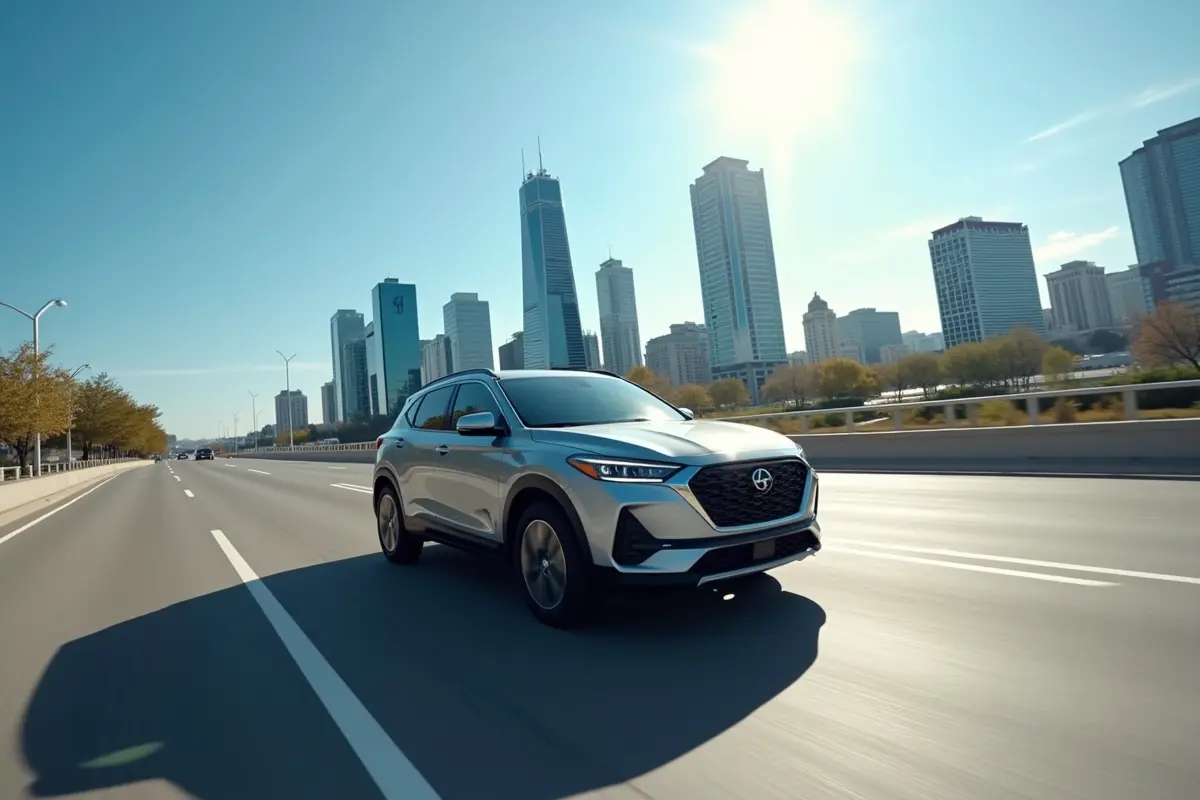
Choosing a vehicle should begin with the way you actually live, drive, work, and travel. A stylish exterior or one standout feature may catch your attention, but the best vehicle is the one that makes ordinary days easier. Whether you are comparing a commuter sedan, family SUV, work truck, van, hybrid, or electric vehicle, Learn More about options that fit your priorities before making a final decision.
A practical choice balances comfort, passenger space, cargo room, safety, operating costs, and capability. Start with your must-haves, then compare vehicles based on the tasks they need to handle most often, not just the occasional road trip or weekend project.
Start With Your Daily Routine
Your normal week provides the clearest picture of what you need. Think about average daily mileage, traffic, weather, road conditions, parking space, regular passengers, and the items that travel with you. A driver who spends an hour each day in traffic may value supportive seats, quiet highway manners, visibility, and fuel savings.
A contractor may prioritize payload, towing capacity, storage, and durability at the top of the list. Write down how often you take long trips, carry sports gear, transport pets, use child seats, haul supplies, or drive on gravel and unpaved roads. This prevents you from paying for a capability you rarely use or choosing a vehicle that quickly feels too small.
Match the Body Style to the Job
Each body style has useful strengths and compromises. Sedans are often efficient, comfortable, and easy to park. Hatchbacks add flexible rear cargo access without taking up much more space. Compact SUVs offer a higher seating position and added cargo room, while three-row SUVs can work well for larger families and carpools.
Pickup trucks are a logical choice for open-bed cargo, trailers, and work equipment. Vans provide especially useful enclosed space, flexible seating, and easy access for passengers. Bigger is not automatically better, however. A larger size can mean higher fuel use, larger tires, a higher purchase price, and more difficulty in garages or crowded parking lots.
Measure Passenger and Cargo Needs
Brochure measurements are helpful, but real-world testing is better. Bring the items you use every week when you shop. A stroller, child seat, golf bag, pet carrier, tool bag, or suitcase can reveal more about a vehicle’s practicality than cargo-volume numbers alone.
Questions to Ask
- Can every regular passenger sit comfortably on a longer drive?
- Are rear seats easy to enter and exit?
- Will rear-facing child seats leave enough front-seat legroom?
- Do the rear seats fold flat or create a raised cargo floor?
- Is the cargo opening wide enough for bulky items?
- Is the lift-over height manageable when loading heavier gear?
Cargo shape matters as much as total volume. A low floor, square opening, and useful underfloor storage may serve your needs better than a larger cargo figure with an awkward layout.
Put Safety Ratings in Context
Safety ratings should be an important part of the comparison, along with visibility, braking feel, recall history, child-seat access, and standard driver-assistance technology. When reviewing models, use NHTSA’s 5-Star Safety Ratings to compare crash-test data and available safety features for the specific model year.
Also look for features such as automatic emergency braking, blind-spot alerts, rear cross-traffic warnings, lane-departure alerts, adaptive cruise control, and rear-seat reminders. These systems can support a careful driver, but they do not replace attention, safe following distance, or good judgment.
Choose the Right Powertrain
Gasoline, hybrid, plug-in hybrid, and battery-electric vehicles can all be good choices when matched to the right routine. Gasoline vehicles offer easy refueling and broad availability. Hybrids can be especially useful in stop-and-go driving. Plug-in hybrids may cover many short trips on electricity while retaining a gasoline engine for longer drives.
Electric vehicles can be a strong fit for predictable driving patterns and dependable home or workplace charging. Before choosing one, consider how weather, terrain, heavy loads, climate control, and highway speed may affect range. The Department of Energy explains how charging habits and driving conditions affect electric vehicle ownership, helping buyers decide whether an EV fits their routine.
Consider Work and Towing Needs
If you tow a trailer or use a vehicle for work, compare the exact configuration rather than relying on the highest advertised rating. Engine choice, drivetrain, axle ratio, hitch equipment, passenger load, and installed accessories can all affect real towing and payload capacity.
- Check maximum towing capacity and payload rating.
- Confirm trailer-brake compatibility and hitch requirements.
- Measure bed length or enclosed cargo-floor length.
- Consider cabin seating for crew members or family.
- Review traction, ground clearance, and all-wheel-drive or four-wheel-drive availability.
Always calculate the fully loaded trailer weight, including water, equipment, passengers, and cargo. A vehicle with enough horsepower may still be unsuitable if the payload or towing equipment is inadequate.
Look Beyond the Purchase Price
A monthly payment is only one part of the ownership cost. Compare fuel or charging expenses, insurance, maintenance, tires, registration, taxes, financing interest, warranty coverage, and expected resale value. A lower-priced vehicle can become more expensive over time if it consumes more fuel or requires costly repairs and replacements.
Create a simple three-year estimate for each finalist. This exercise can reveal meaningful differences between vehicles with similar sticker prices and help keep the decision tied to your household budget.
Use the Test Drive as a Real-Life Test
A quick lap around the dealership is not enough. Take at least 20 minutes to test seating comfort, visibility, road noise, parking ease, braking, acceleration, and technology controls. Adjust the driver’s seat and steering wheel, then sit in the second row if passengers will regularly ride there.
Try tight turns, check camera views, connect your phone, and operate the climate controls without taking your eyes off the road for long. Small frustrations with touchscreen menus, blind spots, seat support, or awkward storage can become major annoyances after thousands of miles.
Check a Used Vehicle Carefully
For pre-owned vehicles, condition matters more than age alone. Review the title status, mileage, maintenance records, tire wear, brake condition, warning lights, and vehicle history. Look closely for signs of flood, fire, or structural damage, and verify that heating and air conditioning work properly. Arrange an independent inspection before purchase, even if the vehicle is certified pre-owned. Certified programs may include warranties and inspection standards, but buyers should still read the coverage terms and confirm that all open recalls have been addressed.
Use a Simple Decision Checklist
Score each vehicle from one to five in the categories that matter most to you. Give more weight to non-negotiables, such as safety, budget, passenger room, towing, or commuting efficiency.
- Comfort: Seats, ride quality, noise levels, controls, and climate performance.
- Safety: Crash-test results, visibility, cameras, and driver-assistance features.
- Space: Passenger room, cargo layout, storage, and seat flexibility.
- Efficiency: Fuel economy, charging convenience, and expected range.
- Capability: Towing, payload, traction, and ground clearance.
- Cost: Purchase price, insurance, maintenance, fuel, and financing.
Final Takeaway
The right vehicle does not need to win every category. It needs to perform well in the categories that shape your everyday life and fit comfortably within your long-term budget. By comparing routine driving, passenger and space needs, cargo capacity, safety features, powertrain options, fuel or charging costs, financing, maintenance, and real test-drive impressions, you can make a more informed decision.
Consider how the vehicle will handle your regular commute, family errands, weekend activities, and occasional trips rather than choosing based on appearance or a single attractive feature. Taking time to review the complete ownership picture can also help prevent unexpected expenses later. Ultimately, a well-matched vehicle should provide the comfort, practicality, reliability, and value you need, remaining useful long after the excitement of buying it fades.




0