

How to Make Self-Storage More Sustainable in Brooklyn, NY
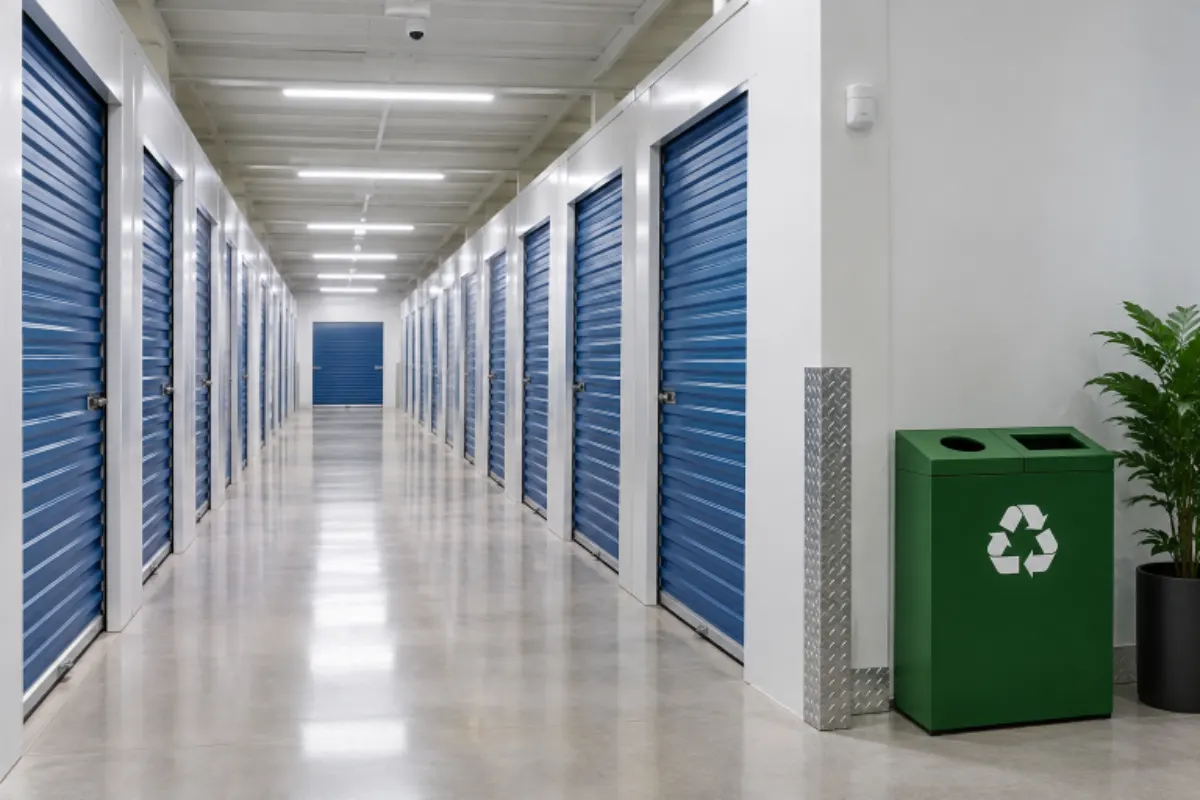
In a dense borough where space is valuable and moving often involves apartment buildings, elevators, curbside loading, and repeated trips, sustainable storage has a practical purpose. People searching for storage space Brooklyn NY, can consider more than just location and unit size. They can also look for a facility that supports efficient operations, clear disposal rules, and lower-waste moving habits.
For owners and managers, sustainability is closely connected to upkeep. A well-sealed building, reliable equipment, thoughtful lighting, and organized waste areas can make a property easier to operate while creating a cleaner experience for customers and staff.
Why Sustainable Storage Matters in Brooklyn
Self-storage facilities do not need to begin with a large capital project. In Brooklyn, smaller changes can matter because facilities often operate in busy neighborhoods where space for dumpsters, deliveries, parking, and equipment service is limited. A practical plan starts by reducing wasteful habits, maintaining building systems, and choosing upgrades that fit the property.
Sustainability also works best when it supports ordinary business goals. Better lighting can improve visibility. Prompt repairs can prevent water damage. Digital documents can reduce paper handling. The goal is not to make broad environmental promises but to improve how a facility runs over time.
Where Self-Storage Facilities Use Energy
An energy review should focus on the systems that run every day or remain active after office hours. Common areas include interior corridors, exterior security lighting, climate-controlled units, office heating and cooling, elevators, gates, cameras, and access-control equipment.
A Simple Monthly Utility Check
- Compare the current bill with the same month from the prior year.
- Note occupancy changes, severe weather, or new equipment that may explain a difference.
- Look for unusually long HVAC runtimes or lighting that remains on in low-traffic areas.
- Record maintenance events that may affect energy use, such as a failing door seal or a malfunctioning thermostat.
High-Value Facility Upgrades to Consider
LED Lighting and Controls
Commercial LED luminaires can work with occupancy sensors and dimming controls, which can help facilities limit lighting use in empty areas. Corridors, stairwells, restrooms, offices, and selected exterior locations may be good candidates, provided safety and visibility remain the priority.
Insulation and Air Sealing
Before replacing large mechanical equipment, inspect roof insulation, exterior doors, loading entrances, wall penetrations, and weatherstripping. Air leaks can make climate-control systems work harder than necessary. An energy audit or a qualified building assessment can help managers prioritize repairs rather than guessing.
Efficient Climate Control
Programmable controls, regular filter changes, professional maintenance, and reasonable temperature settings can support more consistent operation. Climate-controlled spaces should be managed according to the needs of stored belongings, not cooled or heated more aggressively than necessary.
Planning for Solar Power
Many storage buildings have broad roof areas, but solar power is not automatically suitable for every Brooklyn property. A thorough review should consider the roof’s age, structural capacity, shade from nearby buildings, electrical infrastructure, insurance requirements, maintenance access, and future roof work. Comparing expected production with daytime facility use can help determine whether a project is worth pursuing.
Battery storage may also be worth discussing when backup power or peak-demand management is important. However, it should be evaluated as part of a full electrical and financial plan, rather than treated as an automatic add-on.
Reducing Move-In and Move-Out Waste
Move-ins can create a steady stream of cardboard, plastic wrap, unwanted furniture, damaged household goods, and packing materials. Facilities can make responsible choices easier by placing clearly labeled collection areas near entrances or loading zones. Clean cardboard and reusable supplies should be separated from general trash whenever local collection arrangements allow.
Facilities should also clearly explain that batteries, paint, chemicals, and electronics do not belong in ordinary trash bins. New York City provides guidance on safe disposal options for batteries and harmful household products, which can help managers create accurate customer notices.
Step-by-Step Waste Plan
- Track the materials most often left behind during a typical month.
- Separate reusable, recyclable, restricted, and general-waste items.
- Use simple signs with examples of what belongs in each area.
- Train employees to explain rules consistently during move-in.
- Review the system quarterly and remove bins that cause contamination.
Greener Choices for Renters
Renters can reduce both waste and unnecessary storage costs by measuring furniture before choosing a unit, packing with boxes already at home, and selecting durable, reusable totes. Consolidating visits reduces repeated driving, while a written or digital inventory helps prevent belongings from being forgotten for years.
Before storing an item, consider whether it should be donated, repaired, recycled, or passed on instead. Avoid placing leaking, perishable, pest-attracting, or prohibited materials in a unit.
Measuring Sustainability Results
Measurement turns good intentions into a manageable operating practice. Facility teams can track electricity and gas use by month, water use where relevant, waste and recycling pickups, lighting repairs, HVAC service calls, and the cost of completed upgrades.
Useful Metrics
- Energy use relative to occupied square footage.
- Monthly general waste and recycling volume.
- Number of lighting and HVAC maintenance calls.
- Water consumption and irrigation repairs, where applicable.
- Estimated payback period for major equipment projects.
Common Mistakes to Avoid
- Starting with an expensive project before addressing basic maintenance.
- Installing equipment without reviewing building conditions or local requirements.
- Choosing upgrades only by purchase price instead of expected lifespan and upkeep.
- Making environmental claims without recording results.
- Ignoring employee procedures and customer behavior that creates avoidable waste.
A Simple 12-Month Action Plan
Months 1 to 3: Review and Record
Collect utility and waste invoices, inspect lighting and seals, and identify the three most visible operating issues.
Months 4 to 6: Make Low-Cost Changes
Improve signs, replace failed fixtures with efficient options, repair obvious gaps, and organize recycling or reuse areas.
Months 7 to 9: Plan Larger Projects
Request assessments of HVAC, insulation, roofing, solar potential, and water-saving improvements.
Months 10 to 12: Review Progress
Compare results with the prior year, document completed work, and set a small number of measurable goals for the next 12 months.
Conclusion
More sustainable self-storage in Brooklyn does not depend on one dramatic change. It comes from efficient equipment, sensible maintenance, lower-waste customer practices, and honest measurement. When owners, managers, and renters make practical choices consistently, storage can become more efficient, better organized, and more responsible for the surrounding community.





0