

A Practical Checklist for Preparing to Sell Your Albuquerque Home
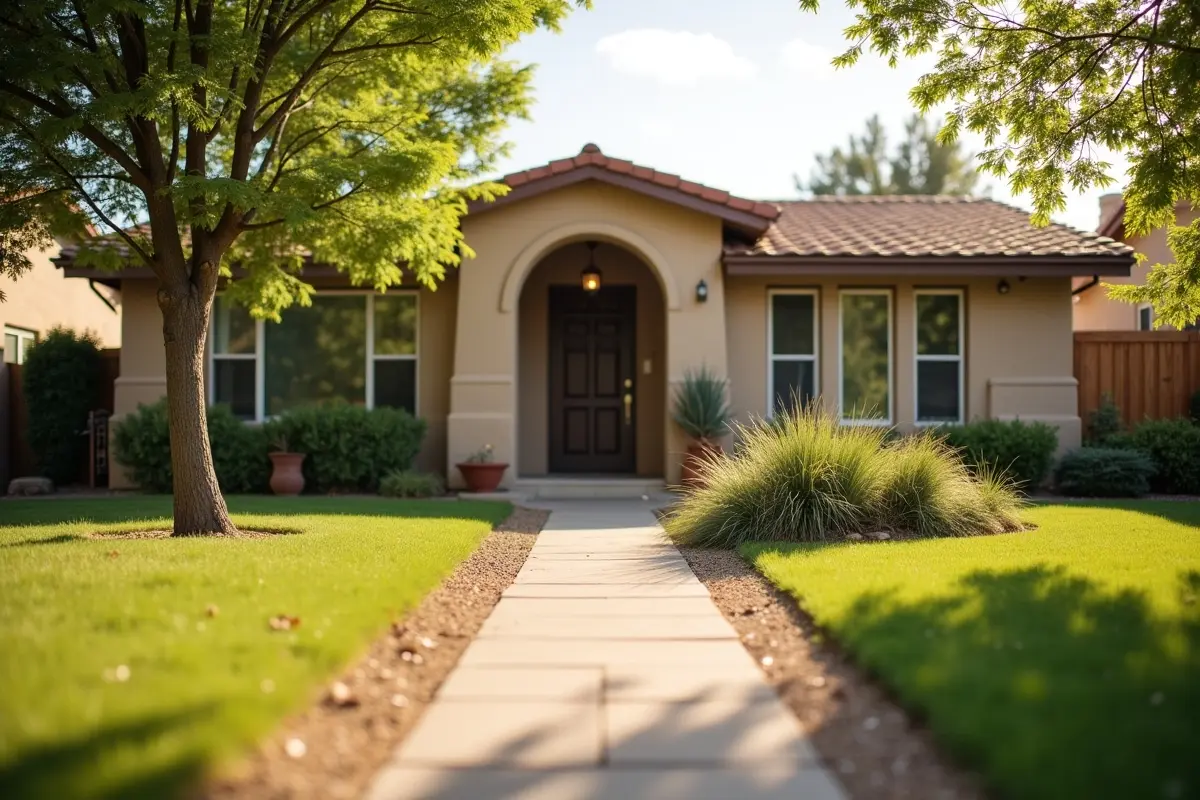
Preparing to sell an Albuquerque home means deciding what to repair, gathering paperwork and setting a realistic budget for your move. The desert climate also deserves attention when checking the roof, cooling equipment and yard. This checklist helps you put those jobs in order.
Start with neighborhood-level homework
Don’t start with an online estimate alone. Pull recent active listings and completed sales within a mile or two and compare size and condition. A local real estate agent’s advice on comparable sales can help you understand the gap between asking prices and what buyers have paid.
Asking prices show current competition. Completed sales show what buyers actually paid for similar homes.
Track days on market for those comps, but ask your agent what might explain a longer sale. Price is only one possibility; condition and access for showings also matter. Don’t assume a home in the Northeast Heights is a useful comparison for a property on the Westside or in the South Valley simply because the square footage matches.
Compare roof type, construction, lot size and condition alongside location. Note differences in garages, outdoor space and recent improvements. A smaller set of well-matched properties is more useful than treating the whole city as one market.
Consider a pre-listing check before you price
A pre-listing inspection is optional. Some sellers order one for peace of mind.
In Albuquerque, older homes often raise questions about the roof and cooling system. Monsoon rain and strong sun wear on shingles and flat roofs. Buyers also look closely at evaporative coolers and forced-air units, since summer comfort is a common concern during tours and open houses. An inspector may flag small faults. Plumbing wear and aging wiring often show up in the same report.
You don’t have to fix everything on that list. If the list is short, handle the small faults and keep receipts. If the list is long, weigh the cost and disruption of repairs against selling as is. There’s no single right call, and your timeline and cash on hand matter as much as the repair bid.
Note the age of the roof and last service dates for cooling. Buyers often ask, and a short paper trail builds trust. If you lack records, say so plainly and keep bids for needed work in a folder.
Price with a clear head and a net sheet
Price comes after homework and any inspection notes. Look again at active listings for competition and completed sales for value. Asking prices are not sold prices, and keeping that distinction in mind helps you set a realistic price.
If you plan to search Albuquerque homes for sale while your current place is still on the market, timing matters as much as price. Compare the likely proceeds and timeline of a traditional listing with an as-is cash sale, which can give you a firmer closing date to plan your next purchase around.
Ask your agent or title company for a seller net sheet. It should show mortgage payoff and prorated taxes. It should also show commissions and closing fees. Ask early about liens or easements, because title issues can delay closing by weeks when they surface late. Don’t guess at proceeds.
Include any prorated costs that come due at closing in your budget. Ask who pays what under the proposed contract so you have a realistic net figure to work with.
Tackle cleaning and desert curb appeal
Buyers form impressions quickly, often starting with the photos. Begin with a deep clean, then consider touching up scuffed paint before committing to larger projects.
Patch walls and fix tired flooring in the rooms buyers use most. Swap harsh bulbs for soft white light and keep window coverings open. Clear counters and closets so rooms feel open and calm, and give buyers space to picture their own furniture and daily routine without clutter in the way. Put away personal photos. A rental storage unit can help if closets are packed.
Front yards carry weight in Albuquerque. Trim dead growth and pull weeds from gravel and planting beds. Hose down the entry and add a simple mat and pot. Keep hoses and bins out of sight. Photos of a tidy yard help with showings too.
Stage to feel neutral and open. Keep one use per room and put extra chairs into storage. Fewer distractions let buyers focus on light and space.
Get paperwork and logistics ready
Gather disclosure forms and fill them out with care. Pull permits and warranty slips into one folder. Add HOA papers if you have them. Keep service records for cooling and roof work where buyers can see them.
If the home has solar panels or a swamp cooler, have manuals and service dates handy. Tidy each room and leave lights on for the shoot. A professional photographer with a wide lens and daylight balance is worth the fee. Buyers can’t tell much from dark or crooked shots, so plan for good light and straight angles.
Plan for showings and the move. Set quiet hours and make arrangements for pets in advance. Keep bags packed for quick exits during evening tours. Line up a flexible closing date if you can. Short leases and family stays bridge gaps when dates don’t line up.
Decide in advance how flexible you can be on timing and repairs. Some sellers start with a listing on the open market. Others keep an as-is cash sale as a backup when work or timing gets tight.
A steady checklist beats a rushed scramble. Do the homework and fix what’s small, then follow a clear plan for the rest.





0