

How to Choose a Bend, Oregon Neighborhood: Match Your Daily Life, Home Style, and Budget
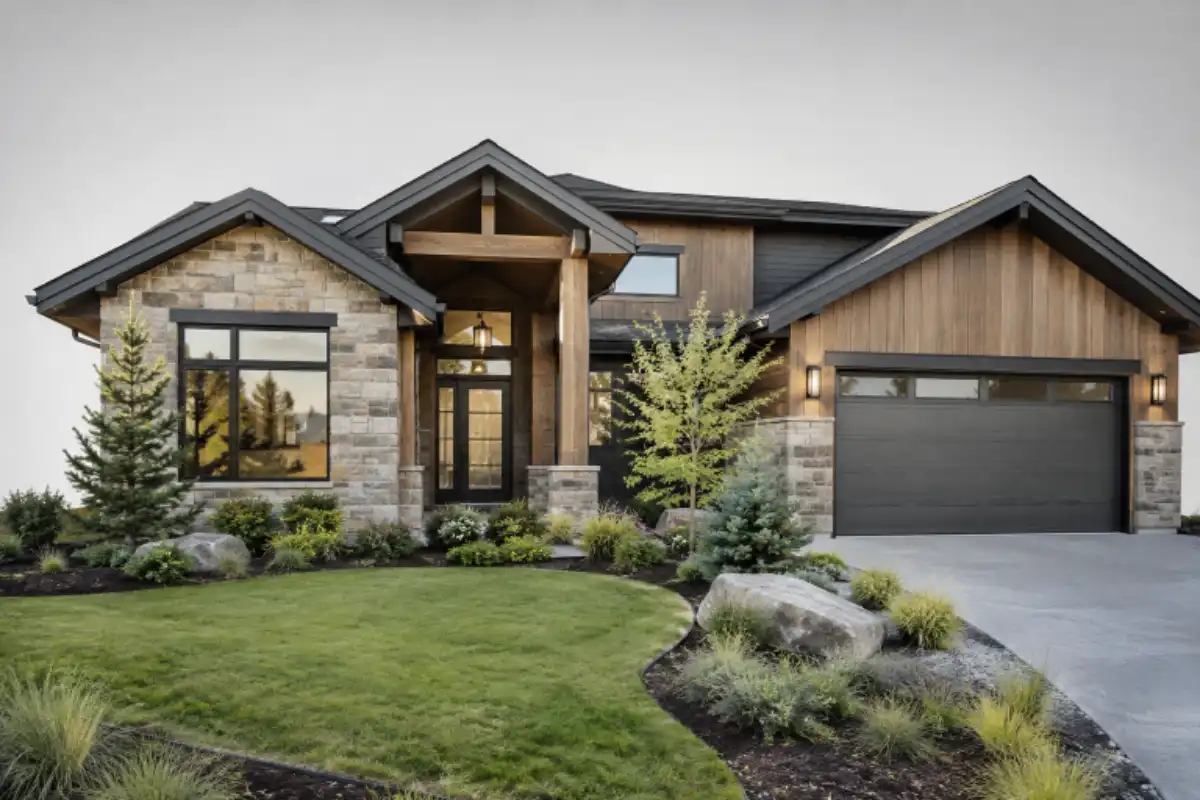
Bend, Oregon, gives buyers a wide range of ways to live. One household may want to walk to coffee, restaurants, and the Deschutes River. Another may care more about a quiet street, garage storage for outdoor gear, a newer floor plan, or a convenient route to work and errands. The right neighborhood is not simply the most popular one. It is the place that works well on an ordinary Tuesday as well as a sunny weekend. Buyers researching Bend, OR homes for sale can use Christensen Collective as a local starting point for exploring available properties and comparing options across Bend and the wider Central Oregon area. Christensen Collective focuses on helping buyers and sellers evaluate homes through the lens of location, property type, lifestyle needs, and current market conditions, rather than relying on a one-size-fits-all neighborhood recommendation.
Start With the Life You Want to Live
Before saving listings, define the routines that will shape your experience after closing. A beautifully updated home can lose its appeal if errands, work, school, recreation, or hosting guests become harder than expected.
- How often do you expect to use trails, parks, river paths, ski routes, or bike connections?
- Would you enjoy walking to restaurants and local businesses, or do you prefer more space and privacy?
- Do you need a dedicated office, guest room, workshop, or flexible space for changing household needs?
- How important are access to grocery stores, medical care, schools, and major roads?
- Would you rather choose a central location with less private outdoor space, or a larger lot farther from Bend’s core?
Write down the three trips you make most often, such as work, school, groceries, or a favorite trailhead. Then map them from each neighborhood you are considering. That small exercise often reveals more than a listing description can.
Compare Bend by Lifestyle, Not by a “Best Neighborhood” Label
Bend includes official neighborhood districts as well as familiar local area names. A useful Bend neighborhood guide can help buyers compare broad characteristics, but the exact block and property still matter. Sidewalks, traffic patterns, nearby services, terrain, and access points can change noticeably within the same area.
Walkable and Social
Central areas near Downtown, Old Bend, River West, and parts of Southern Crossing can appeal to buyers who value restaurants, parks, river access, and shorter trips to community activity. The trade-off may include more visitors, event traffic, tighter parking, smaller lots, or homes that require more maintenance.
Outdoor-Focused
Buyers who regularly head toward trails, the river, or mountain recreation may prioritize westside access, Century Drive connections, or neighborhoods near parks and trail systems. Consider how often you will actually use those amenities, and visit during the times when recreation traffic is most likely.
Newer and Planned
Newer communities can offer modern layouts, sidewalks, parks, and more recently installed systems. They may also have smaller yards, homeowners’ association rules, construction activity, or evolving retail and traffic patterns. Read the property documents carefully instead of assuming every home in a newer area has the same costs or restrictions.
Quiet and Spacious
Hillside, edge-of-town, and lower-density settings may offer privacy, mature landscaping, views, or room for hobbies. In return, buyers may face longer drives, more seasonal maintenance, steeper roads, or additional attention to landscaping and wildfire preparedness.
Look Beyond the Home’s Interior
The setting around a house affects daily comfort just as much as the kitchen or primary suite. During a showing, step outside and pay attention to what photos cannot show.
- Walk the street and notice sidewalks, bike routes, crossings, lighting, and road noise.
- Check whether nearby parks, trails, stores, and services are realistically convenient for your routine.
- Consider natural light, shade, wind exposure, drainage, and winter access around the lot.
- Look at guest parking, garage capacity, bike storage, ski storage, and outdoor equipment space.
- Ask about nearby construction, vacant parcels, public projects, and future development plans.
Visit a serious contender more than once. A quiet afternoon can feel very different from a weekday morning, after-work traffic period, or busy summer evening near a commercial or event area.
Match the Property Type to Your Daily Needs
There is no universally better home type. The most suitable choice depends on your available time, comfort with maintenance, budget, and plans for the next several years.
- Older single-family homes: Often offer established streets, mature trees, and distinctive character. Buyers should budget for inspections and potential updates to major systems.
- New construction: May provide efficient layouts and newer systems, but buyers should understand warranties, landscaping status, association requirements, and nearby build-out activity.
- Townhomes: Can reduce some exterior maintenance responsibilities and offer useful locations. Review association dues, insurance responsibilities, parking rules, and rental policies.
- Condos: May work well for lock-and-leave living or buyers who prefer convenience over a private yard. Association documents are especially important.
- Homes with acreage: Can provide privacy and room for projects, but often require more time for landscaping, utilities, access, and property upkeep.
Build a Realistic Ownership Budget
The list price is only one part of the decision. Compare the expected monthly and long-term costs for each property, including mortgage payments, property taxes, insurance, utilities, homeowners’ association dues, maintenance, landscaping, snow removal, and potential renovation needs. A less expensive home that needs immediate work may not be the lower-cost choice. Also consider costs tied to the location itself. A longer commute affects fuel, time, and vehicle use. A larger lot may require more equipment or professional help. A wooded or edge-of-town property may call for additional attention to defensible space, drainage, and seasonal access.
Use Neighborhood Districts as a Research Tool
The City of Bend’s Neighborhood Districts resource can help buyers identify the official district connected to a potential address. These districts are different from homeowners’ associations, but they can be useful for understanding local planning conversations and land-use activity.
- Confirm the district associated with the property.
- Review relevant land-use notices and proposed nearby projects.
- Ask how future roads, development, or public improvements could affect traffic, noise, and access.
- Separate citywide neighborhood information from property-specific HOA rules and fees.
Create a Simple Neighborhood Scorecard
Use the same five-point scale for every home and neighborhood you tour. A simple scorecard prevents one attractive feature from outweighing the things that will matter every day.
- Daily convenience: Can you complete essential errands without an impractical drive?
- Outdoor access: Are parks, trails, and recreation routes close enough to use regularly?
- Commute and connections: Does the location work for your job, school, appointments, and frequent trips?
- Home condition: Does the maintenance level fit your budget, time, and skill?
- Future fit: Could the property still work if your household, work arrangement, or hobbies change?
Questions to Ask During a Home Tour
- What is traffic like at the times I will drive most often?
- How much winter light reaches the home and outdoor living areas?
- How old are the roof, heating and cooling equipment, water heater, and major appliances?
- Are there planned projects or development proposals near the property?
- What rules apply to parking, fencing, rentals, exterior changes, and storage?
- What would be difficult or expensive to change after moving in?
Five Steps to Choose the Right Bend Area
- List daily priorities. Identify the activities, services, and routes that matter most.
- Select three target areas. Choose locations that meet your lifestyle and overall budget.
- Visit at different times. Compare weekday, weekend, morning, and evening conditions.
- Tour several property types. Include older homes, newer homes, townhomes, and other realistic options.
- Recheck the full numbers. Compare total ownership costs before writing an offer.
Common Questions About Bend Neighborhoods
What is the best neighborhood in Bend?
There is no single answer. The best fit depends on your budget, preferred pace, home style, commute, and access to the activities you value most.
Is West Bend better than East Bend?
Neither side is automatically better. Compare the exact address based on walkability, home age, lot size, nearby services, travel routes, and access to the parts of Bend you use most often.
Should buyers prioritize a central location?
A central location can reduce driving and improve access to services, while a home farther from the core may provide more space, privacy, or newer construction. The right trade-off is personal.
Choose for the Life You Will Actually Live
Choosing a Bend neighborhood in 2026 is a lifestyle decision supported by careful research. When buyers compare daily routines, property types, ownership costs, local conditions, and plans, they are better prepared to recognize a home that fits their needs well beyond the day they receive the keys.
Conclusion
Choosing a home in Bend, Oregon, means finding a neighborhood that supports the way you want to live—not simply choosing the area with the most recognition or appealing listing photos. Consider how each location fits your everyday routines, from commuting and running errands to enjoying trails, parks, restaurants, and community spaces. The property itself also deserves careful attention, including its condition, storage, outdoor space, maintenance needs, and potential costs.
Buyers should review relevant neighborhood information, property documents, and nearby development plans while accounting for the full cost of ownership. Visiting serious contenders at different times can reveal details that may not be obvious during a showing. By comparing locations and property types against consistent priorities, buyers can better identify a Bend home that fits their current lifestyle and remains practical as their needs change.



0