

Benefits of Community Living for Modern Families
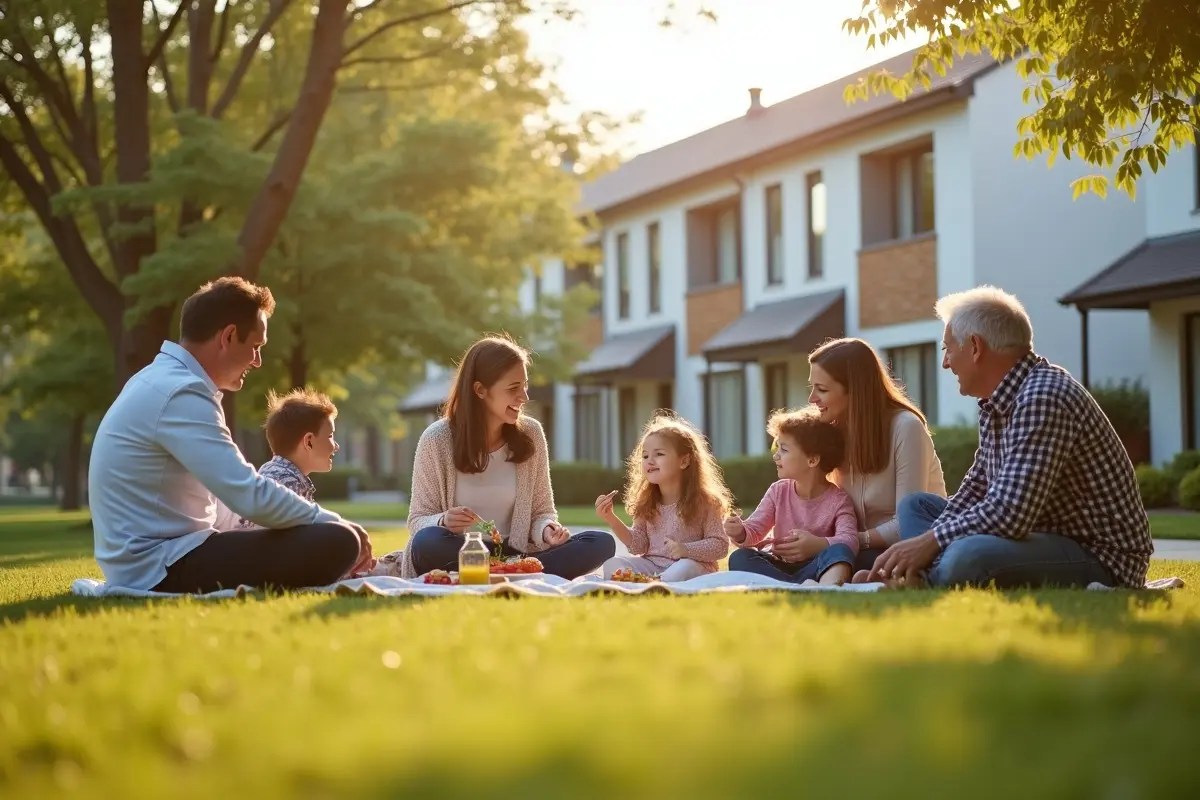
As the landscape of family life evolves, more households are seeking ways to foster a supportive, connected, and enriching lifestyle. One growing trend is community living, which combines the privacy of a personal residence with the perks of a shared neighborhood. For those considering this option, communities such as new homes in Parrish FL offer modern amenities and a welcoming environment. The shift towards community-centered developments reflects a search for improved quality of life, particularly for those balancing career, family, and social needs.
Community living is more than a housing choice; it is a philosophy that promotes togetherness, safety, and sustainability. In a world where connection can be easily lost amid busy schedules, neighborhoods designed for shared experiences and collaborative growth have a distinct appeal for parents and children alike. Residents experience the benefits of convenience and camaraderie and often enjoy a lifestyle that supports well-being on multiple levels.
Research by national organizations and housing experts highlights that families who choose planned communities not only benefit from built-in social networks but also from the design efficiencies and shared values thought out by developers. The demand for these kinds of neighborhoods has inspired builders to create environments that meet the needs of modern, multigenerational families, encouraging growth and support at every age.
Social Connections and Support
Community living naturally encourages regular interaction among neighbors. Shared spaces, communal events, and neighborhood traditions can help residents forge close relationships that reduce isolation and promote well-being. A Forbes article details how co-housing residents organize celebrations and support systems to strengthen ties beyond simple acquaintance. These networks often extend through events like block parties, book clubs, or holiday gatherings, providing vital emotional support during major life events and everyday challenges.
In addition, community members often develop an informal network for sharing helpful resources, practical advice, and even childcare responsibilities. These interactions foster an environment where neighbors become friends and collaborators, supporting one another when challenges arise. Residents can build long-lasting relationships through day-to-day encounters, neighborhood watch programs, and mutual aid initiatives that enhance everyone’s sense of safety and connection.
Shared Amenities and Resources
One hallmark of modern community living is the availability of amenities residents could not easily afford or maintain on their own. Parks, swimming pools, fitness centers, and clubhouses are often included in community developments. These amenities not only bring convenience and leisure closer to home but also naturally create hubs for interaction and play. Recreational spaces in communities encourage healthy and active lifestyles and give families more opportunities to bond and socialize.
Enhanced Safety and Security
Safety is a top concern for families, and community living addresses it with thoughtful planning. Features such as gated access, security cameras, and neighborhood patrols are common in many communities. These measures ensure a level of oversight that is hard to achieve in standalone homes. Parents can feel confident knowing their children can play outside with neighbors in safer surroundings, and the collective vigilance means emergencies are more quickly reported and addressed.
Economic Benefits
Families are finding community living more economical due to shared costs for maintenance and communal resources. Routine maintenance of green spaces, shared utilities, and even events or recreational programs is funded collectively, which helps keep individual living costs lower. For many, these reduced expenses make it possible to access higher-quality services and amenities than they might otherwise afford in a detached home. Some communities even organize group purchasing or car-sharing programs for further savings.
Child-Friendly Environments
Communities specially designed for families often include features like playgrounds, sports courts, and safe walking trails. These elements help ensure that children have safe, engaging environments to learn, play, and develop social skills. For parents, the ability to let children explore their surroundings with minimal supervision in a protected area adds great peace of mind. Some neighborhoods also have schools, tutoring centers, and daycare facilities within their borders, making daily routines more convenient and supportive for working parents.
Work-Life Balance
Modern community living is responding to the realities of hybrid work, entrepreneurship, and increased family demands. Developments now frequently include co-working spaces, high-speed internet infrastructure, and daycare services, all on-site. These amenities help parents juggle work responsibilities while ensuring children are occupied and cared for nearby. Recreation centers, walking trails, and social events also allow adults to unwind close to home, promoting better mental health and overall well-being.
Work-life integration is further supported by the walkability and proximity of many community features, making daily routines more efficient and less stressful. Shorter commutes to nearby amenities or workspaces often allow residents to spend more time with loved ones, contributing to a happier, more harmonious home environment and encouraging stronger family bonds that last for years.
Sustainable Living
Sustainability is a growing factor in how new communities are planned and operated. Many developments incorporate solar panels, community gardens, green roofs, and comprehensive recycling programs. These initiatives not only reduce environmental impact but can also lower utility bills and foster a culture of stewardship among residents. Creating a shared vision for responsible living encourages everyone in the community to adopt greener habits, ensuring the neighborhood remains vibrant and healthy for generations.
Conclusion
The movement toward community living reflects the changing priorities of modern families. With benefits ranging from stronger social bonds and economic savings to improved safety, wellness, and sustainability, this lifestyle offers much more than a place to live. By choosing a community-oriented environment, families can embrace a truly supportive and enriching way of life that adapts to their needs and helps them flourish together.





0