

How Safe Driving Habits Can Prevent Major Road Accidents
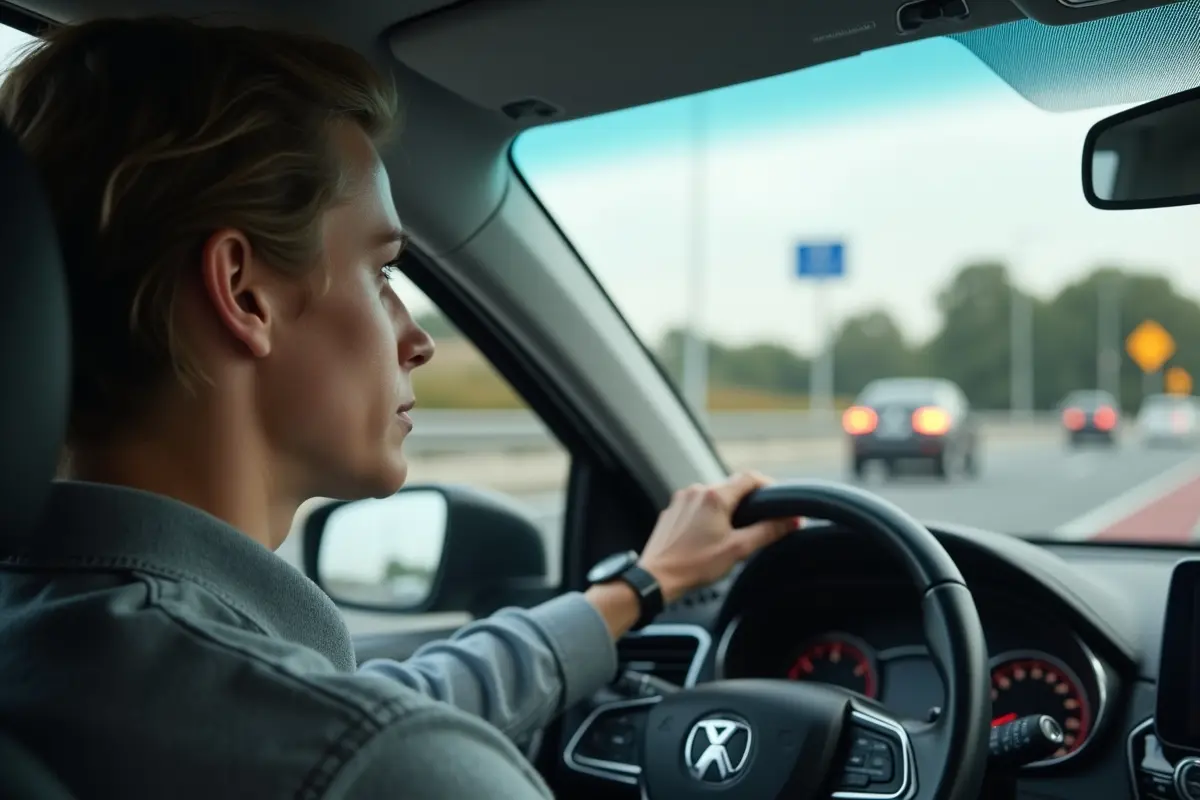
Every day on the road, thousands of drivers face risks that can lead to serious accidents. By prioritizing safe driving habits, motorists can help prevent major incidents and protect themselves and others from harm. Creating a safer road environment starts with making conscious, responsible choices each time you get behind the wheel. If you ever find yourself dealing with the aftermath of a collision, seeking guidance from a skilled Boston auto accident lawyer can be invaluable.
The impact of safe driving stretches beyond just your vehicle. Consistent, thoughtful driving promotes smoother traffic flow, reduces accident-related costs, and fosters confidence among drivers and pedestrians alike. Ultimately, the collective effort of responsible motorists helps make city streets and highways safer for everyone, whether you are commuting to work, running errands, or traveling long distances.
Despite improvements in road safety technology, human behavior remains the most critical factor in accident prevention. Road users often underestimate how quickly distraction, speeding, or poor judgment can culminate in tragedy. That is why understanding and implementing fundamental safety practices is crucial every time you drive.
Developing a routine that emphasizes awareness, adherence to laws, and vehicle maintenance can significantly reduce the likelihood of an accident. Adaptation and proactive decision-making in changing conditions are the foundation of lifelong safe driving habits.
Understanding the Impact of Distracted Driving
Distracted driving is one of the most prevalent causes of crashes worldwide. Even a momentary lapse in attention, like responding to a text, eating, or reaching for a device, can lead to disastrous consequences. According to the Centers for Disease Control and Prevention, approximately nine people in the United States are killed every day in crashes involving a distracted driver. These avoidable tragedies highlight why focusing exclusively on the road should always be a top priority.
Importance of Maintaining Safe Following Distances
Maintaining an adequate following distance is crucial for giving yourself time to react to sudden braking or obstacles. The three-second rule is a valuable tool, particularly in ideal conditions. For rain, fog, or heavy traffic, increasing this distance is always wise. The National Safety Council recommends even more space at higher speeds or in hazardous conditions. Adequate spacing not only prevents rear-end collisions, but it also encourages a less stressful and more predictable traffic environment.
Adhering to Speed Limits and Adjusting for Conditions
Speed limits are established to match road design, visibility, and average traffic patterns. Exceeding these limits impairs reaction time and magnifies the severity of any potential collision. Even when legal speeds seem safe, drivers should always slow down for wet, icy, or poorly illuminated roads. Research by the Insurance Institute for Highway Safety shows that higher speeds directly increase crash risk and injury severity.
Benefits of Defensive Driving Techniques
Defensive driving is about expecting the unexpected and preparing accordingly. Key techniques include scanning traffic well ahead, leaving room for sudden stops, and avoiding the blind spots of large vehicles. Staying aware of changing road conditions and the behavior of others helps prevent surprises. Defensive drivers reduce their own crash risk and help set a standard for everyone on the road.
Role of Seat Belts in Enhancing Safety
Seat belts are the simplest, most effective safety feature in any car. They dramatically reduce fatalities and serious injuries in the event of a crash. The National Highway Traffic Safety Administration reports that wearing a seat belt decreases the risk of death for front-seat occupants by approximately half. Ensuring every passenger is properly buckled should always be the first step before starting your vehicle.
Avoiding Driving Under the Influence
Alcohol, drugs, and even some prescription medications impair decision-making and response times. Driving under the influence remains a leading cause of road deaths and severe injuries. Preventing impaired driving starts with planning ahead: arrange a ride, designate a sober driver, or use public transportation if you plan on consuming any substances that could affect your reflexes or judgment.
Importance of Vehicle Maintenance
Safe driving depends not just on the driver, but on the condition of the car as well. Routine checks of brakes, tire pressure, headlights, and windshield wipers reduce the risk of dangerous mechanical failures. Preventative maintenance is often simple, yet vital for avoiding unexpected breakdowns or hazardous situations on the road. Following your manufacturer’s maintenance schedule is a key preventative measure.
Seasonal changes are also a great reminder to inspect your vehicle thoroughly. Before winter, check your battery and tires, ensuring they are suited for icy roads. In the summer, fluid levels, especially coolant and oil, should be checked to prevent overheating. Consider keeping an emergency kit in your trunk, including items such as a flashlight, first aid supplies, a blanket, and reflective triangles. These preparations can be invaluable if you find yourself stranded or in need of assistance. Additionally, being familiar with your car’s warning indicators and promptly addressing them can help avoid more extensive mechanical issues. Remember, investing a little time in regular inspections contributes to both short-term and long-term safety.
Conclusion
Every driver has a role to play in preventing road accidents. Developing sound habits, such as avoiding distractions, keeping a safe following distance, sticking to appropriate speeds, practicing defensive techniques, using seat belts, steering clear of impaired driving, and maintaining your vehicle, can profoundly reduce your risk and help keep the roads safe for all. Embracing these practices not only protects your well-being but also contributes to a greater culture of road safety for generations to come.





0