

How Technology Is Reshaping the Home Buying Journey
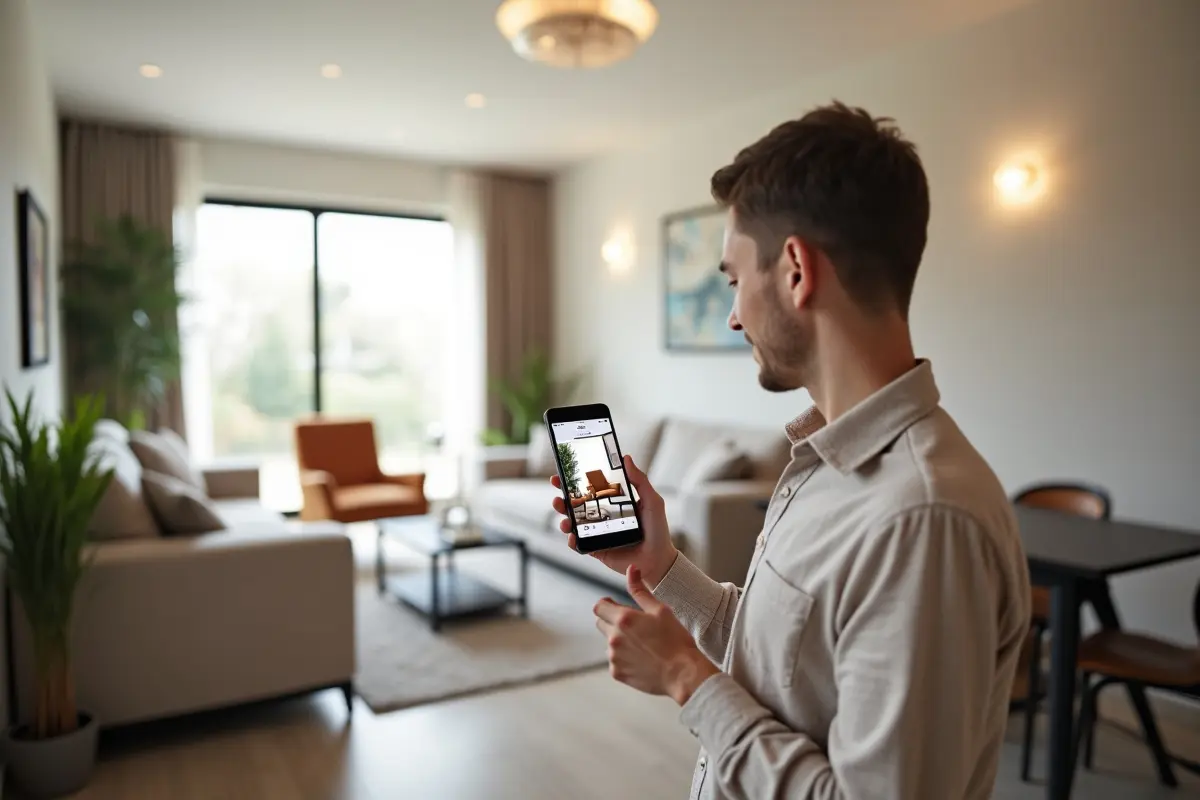
In today’s digital era, technology is revolutionizing the way individuals approach purchasing a home. From virtual tours to AI-driven recommendations, the home-buying process has become more efficient and accessible than ever before. For those navigating the Greenwood Village real estate market, partnering with an experienced professional can make all the difference.
Greenwood Village real estate agent Anne Dresser Kocur, a seasoned expert with over 30 years in the industry, offers unparalleled knowledge of the Denver metropolitan area, including Centennial, Littleton, Cherry Hills, and Castle Pines Village. Her dedication to clients and deep understanding of the market ensure a seamless and informed home-buying experience.
Virtual Tours and 3D Walkthroughs
Gone are the days when potential buyers had to physically visit multiple properties to get a feel for their options. Virtual reality (VR) and 3D tours have transformed property viewings, allowing buyers to explore homes from the comfort of their own space. This technology provides a realistic sense of a property’s layout and features, saving time and broadening the scope of available options.
With the increasing prevalence of high-resolution cameras and immersive 3D modeling, even intricate details of a home can be captured and rendered online. Virtual open houses, which became more prominent during the pandemic, now enable interested buyers from across the country, or even the globe, to participate in real-time walk-throughs and ask questions as if they were physically present. These innovations are especially beneficial for busy professionals or out-of-state buyers who may not have the resources to travel for every property of interest.
AI-Powered Property Recommendations
Artificial intelligence (AI) has made significant strides in personalizing the home search experience. By analyzing user preferences and behaviors, AI algorithms can suggest properties that align closely with a buyer’s desires. This not only streamlines the search process but also introduces buyers to options they might not have considered otherwise.
Machine learning models are continually evolving, using data from past searches, demographics, and user feedback to make smarter recommendations. This technology can help users discover hidden gems, like up-and-coming neighborhoods or properties with unique value. As a result, buying a home has become less about scouring countless listings and more about receiving tailored opportunities that match a buyer’s defined and even latent interests.
Blockchain in Real Estate Transactions
Blockchain technology is enhancing the security and transparency of real estate transactions. By creating immutable records, blockchain reduces the risk of fraud and ensures that all parties have access to accurate and up-to-date information. This innovation is particularly beneficial in streamlining the closing process and reducing associated costs.
For both buyers and sellers, blockchain’s decentralized ledger ensures transaction milestones, title transfers, and escrow processes are securely recorded and easily verifiable. Not only does this reduce paperwork and administrative delays, but it also builds trust, especially in markets where regulatory environments demand higher levels of scrutiny. As blockchain adoption grows, it’s expected to further reduce the need for intermediaries, quickening the pace of real estate deals.
Smart Home Technology Influencing Buyers
The integration of smart home features is becoming a significant factor in purchasing decisions. Buyers are increasingly interested in properties equipped with smart thermostats, security systems, and energy-efficient appliances. These features not only offer convenience but also contribute to long-term cost savings and sustainability.
Modern homebuyers are also looking for smart lighting, remote-controlled door locks, advanced home monitoring solutions, and intuitive integrations with digital assistants like Alexa or Google Home. Smart home technology can serve as a major selling point, boosting property value and making homes more attractive to a tech-savvy generation of buyers who prioritize comfort, safety, and environmental responsibility.
Digital Mortgage Processes
The mortgage application process has been digitized, allowing for faster approvals and more transparent communication between lenders and borrowers. Online platforms enable applicants to submit documents, track progress, and receive updates in real-time, making the financing aspect of home buying less daunting.
Some lenders now offer completely online experiences, incorporating e-signatures, automated income verification, and direct digital payments. These processes cut down on turnaround time and paperwork, accelerating closing times and removing many traditional bottlenecks associated with mortgage approvals. Financial transparency and digital recordkeeping also reduce stress for first-time buyers unfamiliar with the complexities of home financing.
Online Real Estate Marketplaces
Websites and apps dedicated to real estate listings have centralized the search process, providing comprehensive databases of available properties. These platforms often include filters for price, location, and amenities, making it easier for buyers to find homes that meet their criteria.
Some advanced platforms now integrate data on neighborhood walkability, local schools, crime rates, and future development plans. High-quality photos, aerial drone footage, and interactive floor plans allow buyers to deeply evaluate options before scheduling tours. These marketplaces also frequently facilitate direct communication between buyers and sellers or their agents, enabling faster negotiations and more informed decisions.
Augmented Reality for Home Design
Augmented reality (AR) applications allow buyers to visualize changes to a property before making a purchase. Whether it’s redecorating a room or planning an addition, AR can provide a realistic preview of potential modifications, aiding in decision-making.
For instance, buyers can use their smartphones or tablets to “place” new furniture, switch paint colors, or even knock down virtual walls, helping them envision a home that fits their lifestyle. This level of visualization prevents costly renovation surprises and enables more confident, customized home purchases. With the rise of user-friendly AR apps, buyers are empowered to experiment and creatively plan their new space long before closing.
The Role of Social Media in Home Buying
Social media platforms have become valuable tools for real estate agents and buyers alike. Agents use these platforms to showcase properties through photos and videos, while buyers can follow market trends and engage with communities to gather insights and recommendations.
Instagram reels, YouTube walkthroughs, and Facebook Live sessions allow agents to highlight unique selling points and connect with a wide audience instantly. Buyers can join hyperlocal community groups, ask questions about neighborhoods, and crowdsource referrals for lenders or contractors. Social listening tools also help agents keep a pulse on shifting buyer preferences, ensuring more effective outreach. The relationship-building potential of social media cannot be underestimated in this increasingly mobile world.
As technology continues to evolve, the home-buying journey becomes more streamlined and user-friendly. Embracing these innovations can lead to more informed decisions and a more satisfying purchasing experience. With expert guidance from professionals like Anne Dresser Kocur, buyers can harness the latest tools to find the perfect property and navigate the process with confidence and ease.





0