

How Modern Furnace Installations Support Sustainable Homes
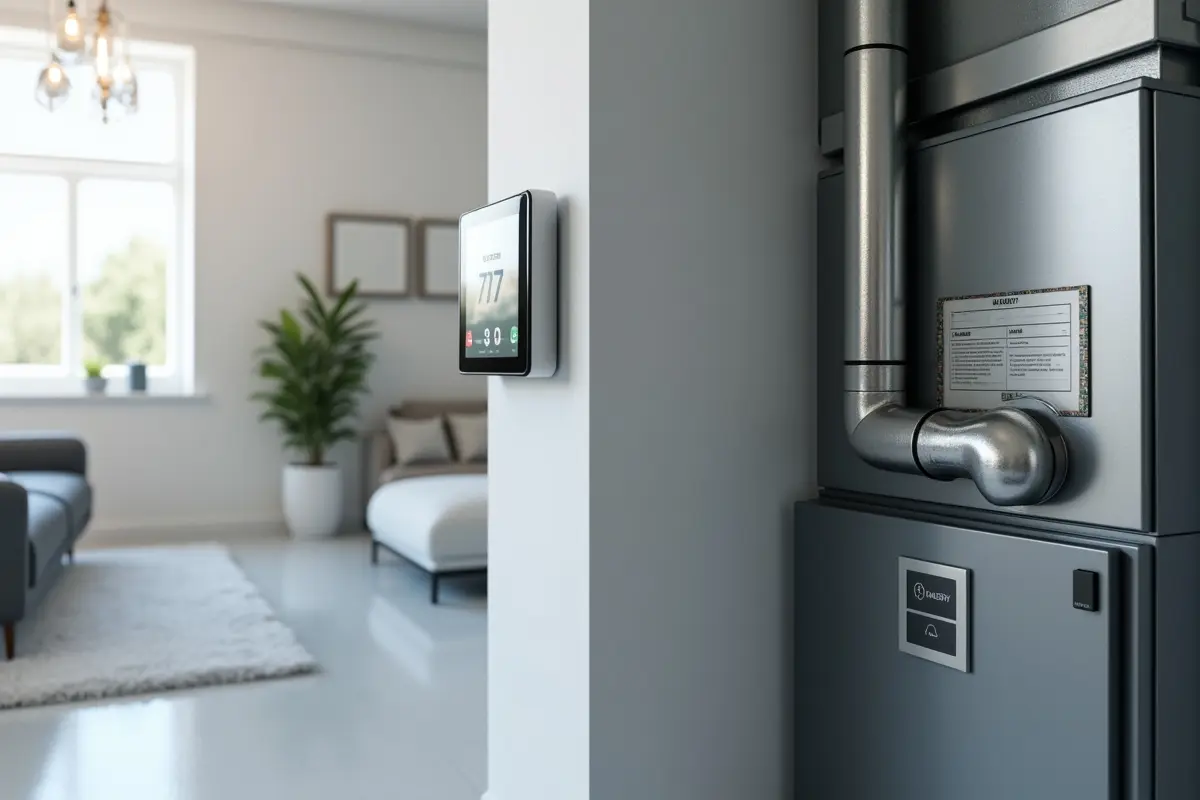
As demand for eco-friendly living grows, homeowners are increasingly seeking ways to create a sustainable home environment. One of the most critical factors in this pursuit is the choice of heating systems. Modern furnaces offer advanced solutions that go beyond simple warmth, playing a vital role in energy conservation and reducing environmental impact. To make a meaningful transition, it is important to understand how furnace installations can significantly improve your home’s sustainability profile. For example, innovative options like Mississauga furnace replacement can provide significant benefits for those considering an upgrade in the Greater Toronto Area.
Energy-efficient heating technology, when combined with thoughtful planning and ongoing maintenance, ensures that houses not only stay comfortable but also tread lightly on the environment. With emerging trends in renewable energy integration and intelligent controls, modern furnace systems have moved well beyond their traditional role, enabling homeowners to cut both costs and emissions as part of a smart, holistic approach to sustainability.
Energy-Efficient Furnace Models
The latest high-performance furnaces are specifically engineered to reach impressive Annual Fuel Utilization Efficiency (AFUE) ratings. Many modern models achieve ratings of 95% or higher, indicating that only a minimal amount of fuel is lost during heating. This translates not only into lower monthly utility bills but also a substantial reduction in home carbon emissions. Beyond energy savings, these furnaces support broader environmental goals by minimizing reliance on nonrenewable energy sources. For in-depth guidance on energy-efficient systems, the U.S. Department of Energy provides valuable resources on heating technologies and efficiency metrics.
Proper Sizing and Installation
Efficiency gains from a new furnace can be quickly lost if the system is not properly matched to your home’s size and needs. Oversized furnaces tend to cycle on and off frequently, leading to unnecessary energy waste and increased wear. On the other hand, an undersized furnace will run excessively, struggling to maintain desired temperatures and reducing both comfort and efficiency. Professional installers perform precise calculations to determine the ideal system size, accounting for factors such as home insulation, local climate, and layout. A meticulous installation process further guarantees that all components work optimally, reducing the likelihood of breakdowns and extending the equipment’s lifespan.
Integration of Renewable Energy Sources
For those looking to push sustainability efforts further, combining a furnace with renewable energy inputs yields exceptional results. For example, solar thermal systems can preheat air or water, so the furnace itself requires less energy to reach the desired temperature. This hybrid approach not only reduces fossil fuel consumption but also delivers considerable long-term savings. According to reporting by The New York Times, integrating renewables into home heating can make a noticeable impact on overall energy consumption, especially in regions with ample sunlight.
Smart Thermostats and Advanced Controls
The advent of smart home heating technology enables homeowners to fine-tune furnace operation for greater efficiency and convenience. Smart thermostats learn daily and weekly patterns, automatically adjusting the heat output to match occupancy or sleeping hours. This reduces unnecessary runtime and adapts to heating habits without manual intervention. Additionally, remote connectivity allows for real-time monitoring and adjustments from virtually anywhere, helping avoid energy waste when schedules unexpectedly change.
Enhanced Insulation and Air Sealing
No matter how efficient a furnace is, its benefits are severely limited in a poorly insulated house. Insufficient insulation or unsealed drafts allow heated air to escape, forcing the furnace to work harder than necessary. Ensuring the home is well-insulated and all air leaks are sealed off is fundamental to maximizing furnace efficiency. Enhanced insulation not only maintains year-round comfort but also reduces the frequency with which heating and cooling equipment must operate, further contributing to a home’s overall energy conservation strategy.
Utilizing Sustainable Materials
Another important step toward greener home heating is selecting sustainable materials during installation. Using recycled metal ductwork, pipes made from renewable resources, or eco-friendly insulation materials helps reduce the heating upgrade’s overall environmental footprint. Many manufacturers now offer credible certifications on materials, providing peace of mind that every aspect of your installation meets current sustainability standards and requirements.
Regular Maintenance for Sustained Efficiency
Long-term energy savings and comfort hinge on routine maintenance. Filter replacement, cleaning, and scheduled inspections ensure the system operates at full efficiency and prevents minor issues from becoming costly breakdowns. Well-maintained furnaces require less energy to achieve consistent results and typically outlast neglected units. Annual checkups by a certified technician help catch potential inefficiencies and prolong the life expectancy of the heating equipment, protecting your investment and supporting sustainability objectives over time.
Conclusion
Investing in a modern furnace and approaching installation with sustainability in mind brings undeniable benefits from lower energy costs to a healthier environmental profile. Energy-efficient models, expert installation, strategic integration of energy sources, smart systems, upgraded insulation, and regular maintenance together create a comprehensive approach to responsible home heating. As more homeowners seek to minimize their carbon footprint, embracing these best practices ensures a comfortable, eco-friendly home for years to come.



0