

When and How to Use Organic Garden Fertilizer for a Year-Round Harvest
The dream of every gardener is a landscape that never stops giving. Imagine stepping into your backyard in the heat of July to pluck sun-ripened tomatoes, and then doing the same in the crisp air of November to harvest frost-kissed kale. Achieving a perpetual harvest is not just about choosing the right seeds or mastering the local climate; it’s fundamentally about the health of your soil. At the heart of this success lies the strategic application of organic garden fertilizer.
Unlike synthetic alternatives that provide a quick, volatile burst of chemicals, organic options work in harmony with the biological rhythms of the earth. They build a foundation of long-term fertility that sustains plants through the changing seasons. To transition from a seasonal hobbyist to a year-round harvester, you must understand the nuances of timing, application, and soil biology.
The Science of Soil Health and Organic Nutrition
To understand why organic garden fertilizer is essential for a year-round harvest, one must look beneath the surface. Soil is not merely dirt; it’s a living ecosystem teeming with bacteria, fungi, protozoa, and earthworms. These organisms form the soil food web. Synthetic fertilizers often bypass this web, delivering salts directly to the plant roots, which can eventually degrade soil structure and kill beneficial microbes.
Organic fertilizers, conversely, require the soil food web to break down complex organic matter into plant-available nutrients. This slow-release mechanism is exactly what a year-round garden needs. It ensures that nutrients are available consistently rather than in a single, overwhelming spike that leaches away during heavy rains. Furthermore, organic matter improves soil tilth, increasing its ability to hold water during summer droughts and drain effectively during winter deluges.
Organic Garden Fertilizer: Essential Nutrients for Every Season
Regardless of the time of year, plants generally require a balance of three primary macronutrients: nitrogen, phosphorus, and potassium. However, the demand for these shifts depends on the crop and the season.
- Nitrogen: The engine of leafy growth. It’s vital for spring greens and the early stages of summer vegetables.
- Phosphorus: Supports root development and flower production. It’s critical when establishing new seedlings in the fall or encouraging fruit set in mid-summer.
- Potassium: Regulates plant metabolism and hardiness. It helps plants resist disease and survive the temperature swings of early spring and late autumn.
By using organic garden fertilizer, you also provide secondary nutrients and micronutrients like calcium, magnesium, and sulfur, which are often absent from cheap synthetic blends but are vital for the flavor and nutritional density of your harvest.
Spring: Awakening the Earth
Spring is the season of preparation and rapid growth. As the soil warms, microbial activity increases, and the demand for nutrients skyrockets. This is the most critical time to establish a baseline of fertility.
Preparing the Beds with Organic Garden Fertilizer
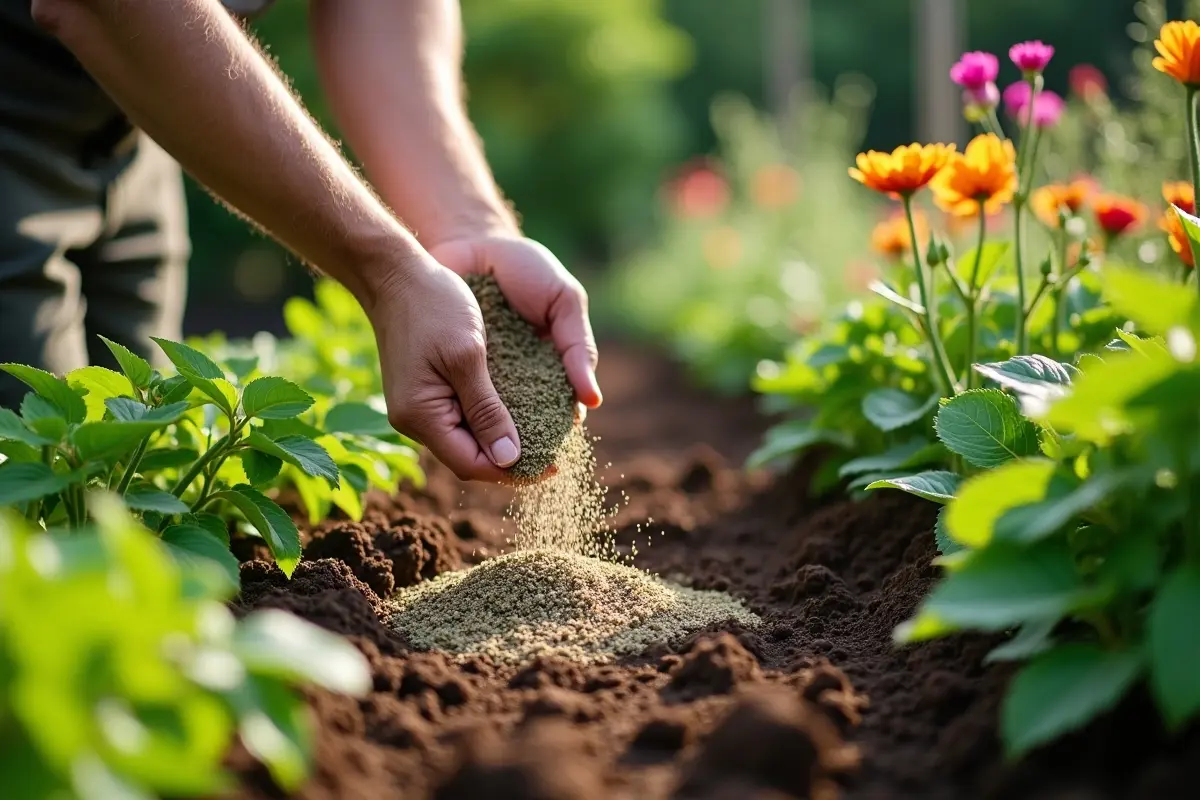
Before the first seeds hit the soil, incorporate a high-quality organic garden fertilizer into your beds. This is often referred to as base dressing. If you’re practicing a no-dig method, you can simply spread the fertilizer on the surface and cover it with a thin layer of compost. This allows the spring rains to wash the nutrients down to the root zone just as the plants begin to wake up.
Feeding Early Crops
Cool-weather crops like peas, radishes, and spinach have a short window of growth. They benefit from a balanced organic blend that provides immediate support for their quick lifecycle. For perennial fruits like strawberries or raspberries, an early spring application ensures the plants have the energy to produce a heavy flush of berries.
Summer: Sustaining the Peak Production
By mid-summer, your garden is likely a riot of activity. This is also when many gardeners make the mistake of stopping their fertilization routine. Heavy feeders like tomatoes, peppers, and corn can quickly exhaust the nutrients in the soil during their peak fruiting stage.
Side-Dressing Techniques
In the summer, application methods shift from broad incorporation to side-dressing. This involves placing organic garden fertilizer on the soil surface near the base of the plant, taking care not to let it touch the stems directly. As you water, the nutrients trickle down to the roots. This provides a mid-season boost that prevents the plant from yellowing or dropping its fruit prematurely.
The Role of Trace Minerals
Heat stress can make it difficult for plants to uptake certain minerals. Using organic garden fertilizer that is rich in kelp or rock dust can provide the trace elements necessary to help plants cope with temperatures above ninety degrees. These minerals strengthen cell walls, making the plants less attractive to opportunistic pests that thrive in the summer heat.
Autumn: Preparing for the Cold
As the days shorten, the focus of the garden shifts from fruit production to root establishment and frost resistance. Autumn is the time to plant your winter stores—carrots, parsnips, garlic, and hardy brassicas.
Building Root Strength with Organic Garden Fertilizer
For a successful winter harvest, your plants need a strong foundation. Phosphorus-rich organic garden fertilizer is particularly useful in the fall. It encourages deep root penetration before the ground freezes, allowing the plants to draw moisture and stability from the earth during winter winds.
Feeding the Soil for Winter
Even if some of your beds are going dormant, the soil should never be left to starve. Applying a slow-release organic garden fertilizer in late autumn feeds the soil microbes that remain active deep underground. This ensures that when the first thaw of spring arrives, the soil is already primed for the next planting cycle.
Winter: The Quiet Harvest
In many climates, winter is a time of slow growth rather than total dormancy. If you use cold frames, low tunnels, or live in a temperate zone, you may still be harvesting leeks, kale, and carrots throughout the darkest months.
Minimalist Fertilization
During winter, plant metabolism slows significantly. Over-fertilizing during this time can be counterproductive, as excess nitrogen can lead to soft, watery growth that is easily damaged by frost. Instead, focus on maintaining the soil structure. A light application of a low-nitrogen organic garden fertilizer can provide just enough potassium to help the plant’s cells resist freezing.
The Importance of Drainage
Winter is often the wettest season. Organic matter from fertilizers helps maintain the pore space in the soil. This prevents the soil from becoming an anaerobic, waterlogged mess that rots the roots of your overwintering crops.
How to Apply Organic Garden Fertilizer Properly
Proper application is just as important as the quality of the product. To maximize the benefits of organic garden fertilizer, follow these best practices:
- Test Your Soil: Before adding anything, perform a soil test to see what is actually missing. Adding too much of one nutrient can sometimes block the uptake of another.
- Water Before and After: Never apply fertilizer to bone-dry soil. Water the area lightly before application, and then water thoroughly afterward to settle the nutrients into the earth.
- Incorporate Gently: If you’re not using a no-till method, lightly scratch the fertilizer into the top inch of soil. This prevents the nutrients from being washed away by surface runoff or degraded by direct sunlight.
- Mulch Matters: After fertilizing, apply a layer of organic mulch like straw or shredded leaves. This protects the soil biology and keeps the moisture levels consistent, which helps the fertilizer break down more effectively.
The Long-Term Benefits of an Organic Approach
Choosing organic garden fertilizer is a commitment to the future of your land. While synthetic products offer a temporary fix, the organic approach builds a legacy of fertility. Over time, you will find that your soil becomes easier to work, your plants become more resilient to pests and diseases, and the flavor of your harvest becomes more intense.
A year-round harvest is a journey of observation and partnership with nature. By understanding the seasonal needs of your garden and providing high-quality organic nourishment, you ensure that your table is always set with the freshest, healthiest produce possible. Whether you’re tending to the first sprouts of April or harvesting the last greens of December, Mil Agro provides the foundation for a garden that never stops thriving.





0