

Preserving Vessel Value Through Professional Detailing
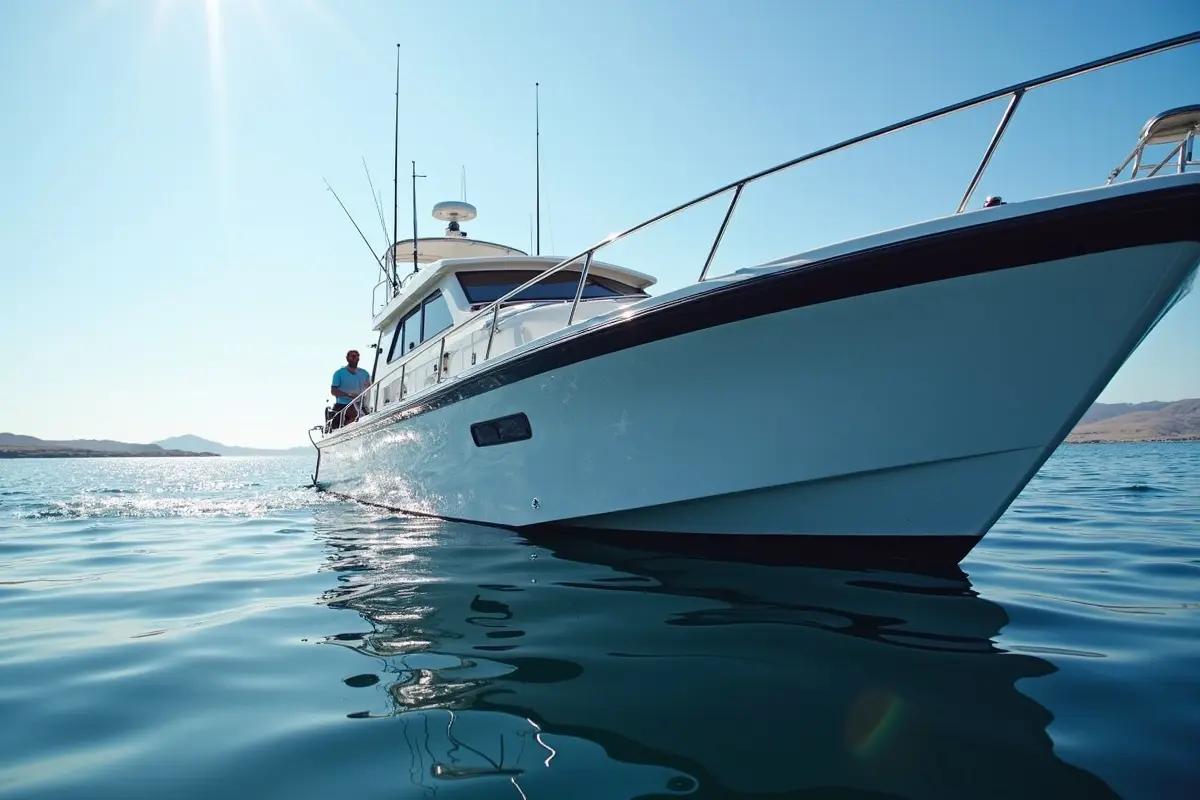
Beyond the thrill of the open water, maintaining a yacht in pristine condition is a commitment to preserving its aesthetic appeal and ensuring its longevity. For discerning owners, particularly those navigating the diverse conditions of New England, Mobile boat detailing and antifouling services are not merely about aesthetics; they are a critical component of preventative maintenance that safeguards structural integrity and enhances resale value.
Gelcoat, the outer layer of fiberglass boats, is constantly exposed to harsh elements. UV radiation, saltwater, and atmospheric pollutants lead to oxidation, which dulls, chalks, and degrades its protective qualities. Our professional detailing processes go beyond superficial cleaning, employing specialized techniques for gelcoat restoration.
This involves a multi-stage process of compounding, polishing, and waxing with professional-grade compounds designed to remove oxidation, restore gloss, and provide a durable barrier against future degradation. Advanced ceramic coatings, for instance, offer superior protection, creating a hydrophobic surface that repels water, dirt, and salt spray, extending the life of the gelcoat and simplifying future cleaning efforts.
The unique weather patterns of New England, with its humid summers and harsh winters, demand a robust detailing regimen. Salt spray, in particular, can accelerate corrosion and degrade surfaces if not meticulously removed. By consistently protecting the gelcoat and other exterior surfaces, we help maintain the vessel’s structural integrity, preventing moisture ingress and material breakdown that could lead to costly repairs down the line. This meticulous attention to detail is an investment in your yacht’s long-term health and resale value.
Addressing Subsurface Integrity
While the visible surfaces receive ample attention, the hull below the waterline is paramount. This area is a prime target for marine growth, an insidious problem known as biofouling. Even a thin layer of slime, algae, or barnacles can significantly increase hull friction, resulting in reduced speed and a substantial drop in fuel efficiency. Studies show that severe biofouling can increase fuel consumption by up to 40%, directly impacting operational costs and increasing carbon emissions.
Regular professional evaluation of the hull’s subsurface condition allows us to identify nascent growth and address it before it escalates. This proactive approach prevents performance degradation, reduces engine strain, and protects vital running gear from accumulation. By keeping the hull smooth and clean, we ensure your vessel operates at its optimal hydrodynamic efficiency, maintaining its intended speed and maneuverability.
Seasonal Considerations for New England Boaters
The distinct seasons in New England present specific challenges for boat owners. The freeze-thaw cycles of winter can stress materials, while prolonged winter storage requires careful preparation. Our comprehensive services account for these seasonal variations, offering tailored solutions for winterization and spring commissioning.
Proper surface preparation before winter storage, combined with effective humidity control, is crucial to prevent mildew, corrosion, and material degradation. As spring approaches, a thorough commissioning process, including a detailed hull inspection and cleaning, ensures your vessel is ready for the season ahead. This cyclical maintenance approach, tailored to the local climate, is essential for preserving the vessel’s condition year-round and mitigating the adverse effects of environmental exposure.
Beyond the Surface: Integrating Ultrasonic Antifouling Technology
While traditional detailing focuses on cleaning and protecting visible surfaces, proper preservation of vessel value extends to the unseen world beneath the waterline. This is where advanced technologies, such as the ultrasonic antifouling system, come into play. These innovative systems represent a paradigm shift in marine growth prevention, offering a proactive, eco-friendly solution that complements traditional antifouling methods.
At its core, an ultrasonic antifouling system emits high-frequency sound waves through the vessel’s hull. These sound waves, generated by transducers bonded to the interior of the hull, cause the hull material to resonate. This resonance creates a microscopic environment on the hull’s exterior surface that is inhospitable to marine organisms. The primary mechanism involves the disruption of biofilm formation, the initial stage of biofouling, where microscopic organisms attach and create a sticky layer.
The alternating pressure bands and microscopic cavitation bubbles generated by the ultrasound prevent these organisms from adhering and developing. This non-inertial cavitation creates tiny pressure changes that deter larvae and other marine life from settling without causing physical damage to the hull or the organisms themselves.
Unlike traditional antifouling paints that rely on biocides to poison marine growth, an ultrasonic system works as a preventative technology. It aims to prevent fouling before it even begins, reducing reliance on chemical treatments. This approach leverages the principle of sound wave propagation through solid materials, making the hull itself an active participant in its own defense against biofouling.
Enhancing Boat Detailing Services with Proactive Growth Prevention
Integrating an ultrasonic antifouling system with professional detailing services offers a synergistic approach to vessel maintenance. The system provides 24/7 protection, continuously working to keep the hull clean, significantly reducing the need for frequent, aggressive hull cleaning. This translates directly into reduced maintenance effort and cost over time.
One of the most significant benefits is the extended longevity of antifouling paint. By disrupting the initial stages of growth, the ultrasonic system reduces the burden on the paint’s biocidal properties, allowing it to remain effective for longer. Independent tests, such as those conducted by Practical Boat Owner (PBO), have shown that boats equipped with ultrasonic systems exhibited lighter slime (easier to wipe off) and slightly less waterline weed compared to control boats after months in high-fouling conditions. While not a complete eradication, this reduction in slime thickness and growth makes routine cleaning much easier, often requiring just a gentle wipe rather than aggressive scrubbing.
Proper transducer placement is crucial for practical signal propagation. Manufacturers typically recommend specific configurations based on hull size and shape, with each transducer providing approximately 200 sq ft of protected underwater surface area. For optimal coverage, especially in isolated areas such as drives, rudders, or shafts, dedicated transducers may be necessary, as sound waves primarily propagate through the hull material itself.
Technical Requirements for Effective Implementation
The effectiveness of an ultrasonic antifouling system is closely tied to its technical implementation and power management. These systems are designed to operate continuously and require a reliable power source. For instance, a high-quality system like the Hull Shield HD4 controller consumes about 1Ah at maximum current (when the battery voltage is at or above 12.7V).
However, intelligent systems often feature power-conservation modes that reduce consumption to as low as 5 watts, and even sleep modes that activate at lower battery voltages (e.g., 12.1V) to prioritize essential boat functions. This makes them compatible with alternative energy sources such as solar or wind power, which are crucial for vessels that spend extended periods away from shore power.
Hull material density and composition also play a significant role. Ultrasonic waves propagate most effectively through solid, monolithic materials like GRP (fiberglass), steel, and aluminum. Wooden or ferro-cement hulls, due to their inherent voids and sound-absorbing properties, can dampen the vibrations, making these systems less effective.
For composite hulls, transducers must be bonded directly to the inner skin of the outer hull to ensure optimal sound transmission. For steel-hull applications, the system’s power and frequency ranges are often calibrated to match the material’s acoustic properties. Understanding these technical requirements is key to selecting and installing a system that delivers consistent and reliable performance.
Evaluating the ROI of Advanced Boat Detailing Services
Investing in advanced boat detailing services, especially when coupled with an ultrasonic antifouling system, yields a significant return on investment (ROI) that extends far beyond immediate aesthetic improvements. The long-term financial and operational benefits make a compelling case for this proactive approach to vessel management.
One of the most direct financial benefits is the reduction in haul-out frequency. A cleaner hull means less need for expensive dry-docking and professional scraping, which can cost thousands annually. By maintaining a smoother hull surface, vessels experience less drag, leading to substantial fuel savings.
In commercial shipping, biofouling is a primary concern, accounting for nearly 3% of annual global greenhouse gas emissions due to increased fuel consumption. While recreational vessels operate on a smaller scale, the principle remains the same: a clean hull is an efficient hull. This aligns with broader commercial shipping standards that prioritize efficiency and environmental responsibility.
The decision between professional installation and a DIY approach for an ultrasonic system also affects ROI. While some systems are marketed as DIY-friendly, professional installation ensures optimal transducer placement, correct wiring, and proper calibration, maximizing the system’s effectiveness and preventing costly errors. A professional evaluation minimizes DIY risks and ensures that the system integrates seamlessly with your vessel’s existing electrical infrastructure.
Impact on Vessel Performance and Speed
The impact of biofouling on vessel performance cannot be overstated. Even a modest layer of growth can significantly increase drag, leading to a noticeable reduction in speed. Anecdotal evidence suggests that heavy fouling can result in a 2 mph speed loss, forcing engines to work harder to maintain cruising speeds. This increased engine strain not only accelerates wear and tear on propulsion systems but also increases fuel consumption and emissions.
Beyond the hull, marine growth can also affect critical components like propellers, shafts, and cooling systems. Ultrasonic systems, when properly configured, can extend their protective field to these areas, safeguarding running gear from accumulation. This comprehensive protection ensures that all underwater components operate efficiently, preserving your vessel’s intended performance, speed, and overall operational integrity.
Environmental Stewardship in Modern Yachting
Both regulatory pressures and a growing environmental consciousness among boat owners drive the shift towards eco-friendly solutions in yachting. Traditional antifouling paints, while effective, often rely on biocides that leach into the marine environment, posing risks to aquatic life and contributing to microplastic pollution.
Ultrasonic antifouling systems offer a compelling alternative by significantly reducing the reliance on these chemical treatments. By preventing biofouling through physical means (sound waves) rather than chemical ones, they contribute to a cleaner, healthier marine ecosystem. While initial research raised concerns about potential effects on aquatic life, particularly larger mammals, subsequent studies and the use of specific frequency ranges aim to minimize disturbance.
The signals typically propagate up to 3 km from the transducer, but the intensity and frequency are generally designed to be non-harmful to larger organisms. This technology represents a step forward in environmental stewardship, offering an effective antifouling solution that aligns with our commitment to protecting our oceans.
Installation Standards and System Limitations
The successful implementation of an ultrasonic antifouling system hinges on adherence to precise installation standards and a clear understanding of its inherent limitations. Proper installation ensures optimal performance, while acknowledging limitations helps manage expectations and maximizes the system’s effectiveness.
Transducer bonding is perhaps the most critical step. The transducers, which generate the ultrasonic waves, must be securely and directly bonded to the interior surface of the hull. This typically involves preparing the surface by sanding with 60-grit paper to remove any oxidation or gelcoat, followed by thorough degreasing.
A two-part epoxy kit, specifically designed for marine applications, is then used to create a strong, void-free bond. The epoxy curing process usually requires at least 24 hours, during which the transducer must remain firmly in place. Any air pockets or improper adhesion can lead to signal dampening, significantly reducing the system’s efficiency.
The controller unit, which powers and manages the transducers, should be mounted in an accessible, dry location, typically near the vessel’s 12V battery bank. Professional controller mounting ensures secure placement, proper ventilation, and easy access for monitoring or troubleshooting.
It’s essential to recognize that not all hull materials are equally suitable. As mentioned, wood or ferro-cement hulls, with their porous structures, tend to absorb sound waves, making ultrasonic systems less effective. Similarly, specific coatings, such as silicone-based antifouling paints, can interfere with the ultrasonic signal, dampening its propagation by up to 40%. In such cases, adjustments to transducer spacing or system power may be necessary.
A key operational requirement is continuous power. Ultrasonic systems are designed to operate 24/7 to prevent growth from establishing. Any prolonged power interruption can allow fouling to begin, as the system is primarily preventive and cannot remove existing growth.
Maintaining System Efficacy Over Time
To ensure the long-term efficacy of your ultrasonic antifouling system, ongoing monitoring and maintenance are essential. While the system works continuously, certain practices can optimize its performance.
Regular waterline scrubbing is still recommended, as the ultrasonic waves primarily propagate through the hull and may have reduced effect at the air-water interface. This area is prone to slime and weed growth, which can be easily managed with a soft brush.
Idle period management is also crucial. Even with an ultrasonic system, a boat left stationary for extended periods in high-fouling waters may develop superficial growth. While this growth is typically much easier to remove than on an unprotected hull, awareness of idle periods allows for proactive checks.
Battery voltage monitoring is vital, especially for vessels relying on solar or wind power. Modern systems often include sophisticated battery management features, such as power conservation modes at lower charge levels and sleep modes that trigger at specific voltages (e.g., 12.1V). Understanding these thresholds and ensuring your battery bank can sustain continuous operation is key. Periodic professional system audits can verify transducer function, wiring integrity, and overall system health, ensuring your investment continues to deliver optimal performance.
Integration with Traditional Bottom Paints
Rather than a standalone replacement, ultrasonic antifouling systems are best viewed as powerful enhancements to traditional bottom paints. They work synergistically, with ultrasonic waves preventing initial adhesion of organisms and extending the life and effectiveness of the antifouling paint.
For optimal results, combining an ultrasonic system with a challenging antifouling paint or durable copper-based coatings, such as Coppercoat, is highly recommended. Hard paints provide a robust, long-lasting surface that benefits significantly from the reduced biofouling pressure exerted by the ultrasonic waves. When applying new paint or preparing for a Coppercoat application, meticulous surface preparation is paramount.
This includes thorough cleaning, sanding (e.g., 60-grit), and degreasing protocols to ensure excellent paint adhesion and a smooth surface for the ultrasonic waves to act upon. This integrated approach offers the most comprehensive and long-lasting protection against marine growth, significantly reducing the frequency of costly repainting and hull cleaning.
Frequently Asked Questions about Ultrasonic Systems
As with any advanced marine technology, boat owners often have questions regarding the practical implications and environmental impact of ultrasonic antifouling systems. Here, we address some of the most common inquiries.
Does the ultrasonic signal disturb whales or other marine mammals?
This is a critical concern for environmentally conscious boaters. Research indicates that the frequencies used by most commercial ultrasonic antifouling systems (typically in the 20-200 kHz range) are generally inaudible to the majority of marine mammals, whose hearing ranges often differ significantly. For instance, the signals propagate up to 3 km from the transducer, but their intensity rapidly diminishes in water.
However, some deep-diving whales, such as goose-beaked whales, have shown behavioral changes near high-output devices operating at specific frequencies. This suggests that, while broadly safe, professional placement and careful frequency management are essential to minimize potential environmental impact and ensure the safety of sensitive marine populations. Manufacturers are continually refining their technology to operate within safe, effective parameters.
Can ultrasonic technology completely replace the need for bottom paint?
In most high-fouling environments, particularly in nutrient-rich waters such as those in parts of the North Atlantic, ultrasonic antifouling systems are designed to enhance and extend the life of traditional antifouling coatings rather than replace them entirely. While they are highly effective at preventing the initial adhesion of biofilm and larvae, a combination with a good-quality antifouling paint provides the most robust defense.
The system significantly reduces the frequency of heavy scrubbing and repainting, potentially extending paint life by several seasons. For vessels in very low-fouling areas or those frequently hauled out, it might be possible to rely solely on the ultrasonic system. Still, for most vessels, it serves as a powerful complement, optimizing the performance of your chosen paint.
What happens to the system if the boat loses shore power?
Modern ultrasonic antifouling systems are designed with intelligent power management to handle variations in electrical supply. Most professional-grade controllers include sophisticated power conservation and sleep modes. If the vessel loses shore power or the battery voltage drops below a certain threshold (typically around 12.1V, representing about 50% of battery capacity), the system will automatically enter a power-conservation or sleep mode.
This ensures that essential vessel functions are prioritized and that the system does not drain the batteries excessively. While in these reduced-power states, the antifouling effect may be diminished; the system will resume its whole operation once adequate power is restored. This feature is particularly beneficial for boats powered by solar or wind, enabling continuous protection without compromising battery health.
Conclusion
Your vessel is a testament to your passion for the sea, and preserving its value requires a blend of traditional care and cutting-edge technology. By embracing professional standards in comprehensive boat detailing and integrating an advanced ultrasonic antifouling system, you are investing in your vessel’s long-term health, performance, and aesthetic appeal.
From meticulous gelcoat restoration to proactive marine growth prevention, our technical competence ensures that every aspect of your boat is protected against the unique challenges of the New England maritime environment. This proactive maintenance approach not only safeguards your vessel’s legacy but also enhances its operational efficiency, reduces environmental impact, and ultimately retains its value for years to come. Trust in expertise to deliver New England maritime excellence, ensuring your time on the water is always a pleasure, free from the worries of unseen degradation.





0