

The Things Nobody Tells You Before You Become Someone’s Primary Caregiver
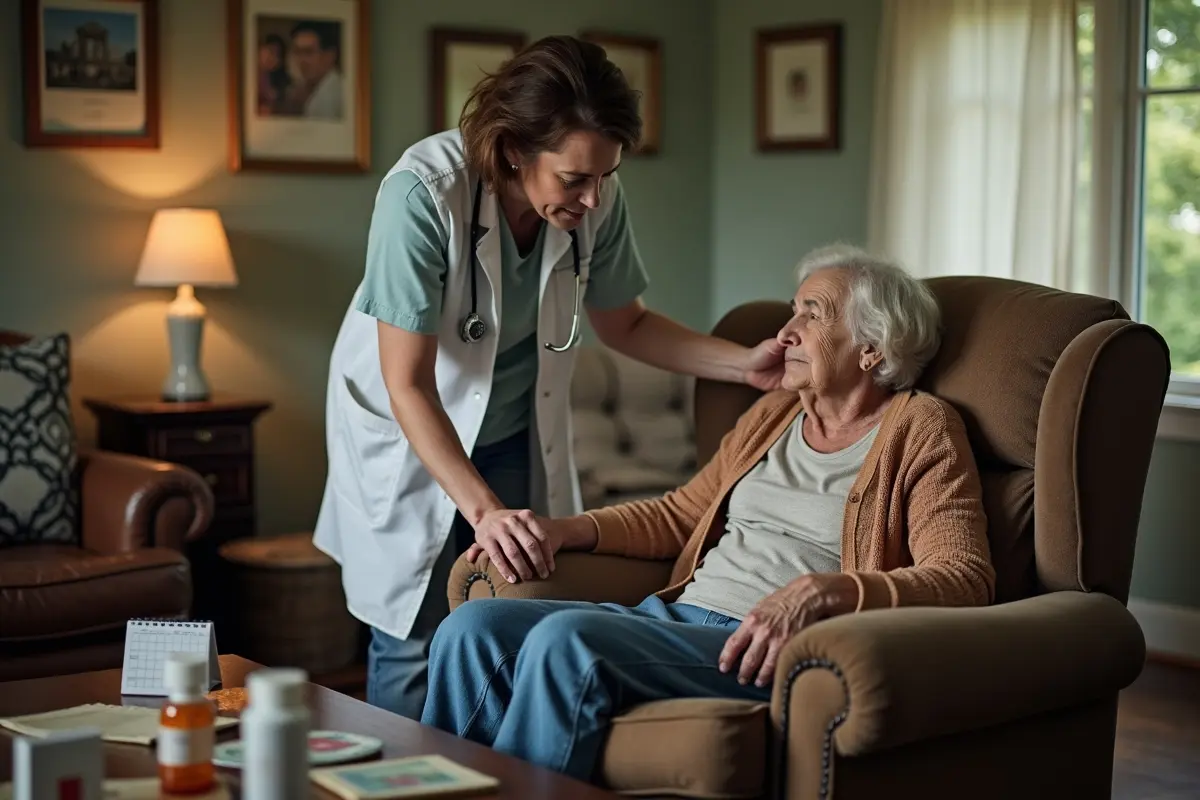
Most people think they know what to expect when they choose to care for an aging parent or sick family member. They envision helping them with groceries, perhaps driving to their appointments, being a source for the big things. Yet what actually happens is far from and nothing like you expect. But it’s not what you expect that most impacts your experience.
It doesn’t all hit you at once. It seems to sneak into your schedule over the weeks and months until, one day, you wake up and everything you know has completely turned upside down. Your daily routine is different, you’re learning new things you never thought you’d have to learn, you’re acquiring skills you didn’t think you had, and certainly never thought you’d need, and discovering a strength you weren’t sure existed within yourself.
But no one tells you about the parts that matter. The books and websites note the medical considerations, safety adjustments, but fail to provide what’ll truly make the difference and help you learn just what you’re capable of handling.
It Changes Your Social Life as You Know It
This is what’s most unexpected, your social life changes in a way that makes you feel even lonelier than before. Even when you’re cooped up with someone all day doing 12-hour shifts in your living room, no one can imagine what you’re going through, so it’s next to impossible to explain it to those who’ve been there.
Your friends don’t call as often because you’ve cancelled on them how many times in the past two months? They’re not being cruel; they assume you’re too busy. Eventually, the invitations dissipate, and you feel bad, even though some deep down know they wouldn’t have been able to go anyway.
But what no one tells you is how you’re able to connect with new ones in the unlikeliest of places. Other caregivers who actually understand. Healthcare professionals who become empathetic support systems. Neighbors who help in small ways that mean the world. The fellowship of people who understand what you’re going through can be surprisingly extensive once you’ve located it.
The relationship with this person does change, yes, and life will never be the same. You’ll have conversations you never would have had otherwise, digging questions about family history you’ll never know. It’s different than it was before. Yes, that takes adjustment. But different does not always mean bad.
How Physically Active You’ll Be and How to Handle It
The physical element to this is relative, but it shouldn’t be downplayed. Yes, you’ll be lifting and helping someone mobilize. But more than that, everything adds up:
Interrupted sleep to be awake in the day in an area within which you’ve become accustomed to always being on-call for the necessities of someone else. Random eating schedules because something else is always bigger on the priority scale than cooking a proper meal.
Lower back pain becomes consistent. You wake up exhausted, even if your eyes were closed for seven hours, and especially if it falls below that mark. Your shoulder that’s been slightly out of whack for months still hasn’t gone away.
When the family dynamic understands that the primary caregiver needs additional support, Respite Care Services in Philadelphia exist, then there can be some flexibility in taking a well-deserved breather before small issues become larger problems.
Those late-night bathroom runs multiply quickly. Getting up multiple times just to help someone with their medications means your body never fully resets from years of this day-to-day back-to-back-on-repeat-in-a-thousand-different-versions existence.
Soon enough, primary caregivers realize they’ve changed their eating patterns drastically. There’s no time for effective meals or gym regimens. There’s cooking whatever’s quickest, lunch gets skipped because there’s an afternoon appointment, and people sit down to cereal for dinner because they absolutely cannot fathom cooking another meal. Yet early identification of these stresses, and acceptance of help when it’s necessary, makes all the difference.
The Guilt Is Overwhelming, But You Need to Accept It
This is the part that most negatively impacts your wellbeing, and once you discover that it’s all normal, it gets easier to deal with over time. Guilt comes from all angles and every primary caregiver deals with it.
You’re guilty because you’re tired and feel bad for being exhausted because you love this person, and you should have unlimited energy for them while simultaneously telling yourself this is not how life is supposed to go for them, and for you.
You’re guilty because you’re frustrated by things that are no one’s fault while simultaneously thinking about everything you’ve sacrificed for this situation from your own life, thus destroying your family dynamic once stable, is directly overshadowed by constant thoughts about everyone else (your spouse who hardly sees you anymore since all your time goes here, your kids who are growing up with a distracted parent, your job that you’re not meeting quotas since your attention span is elsewhere).
There are thoughts you’re “not supposed to have” but in reality, feeling overwhelmed, wishing things were different, wondering about your own life, doesn’t make you a bad person; it makes you human.
Accepting that these thoughts and feelings are all part of a process instead of feeling ashamed about them once you’re stuck allows for more fluid transitions through caregiving.
Everything Costs More Than Initially Expected
This is unexpected as far as planning goes, but even if people budget for additional medications or doctor visits, it somehow transcends mere additional $$$ stressors.
A primary caregiver typically has to cut back on work hours, or stop working altogether, which impacts immediate financial security as well as future retirement. In addition, small fees add up, from extra gas to appointments, special foods (that intake one day means they won’t need it ever again, but yet), insurance doesn’t cover certain equipment or home renovations or cleaning supplies; expenses come in hordes from directions unexpected.
These costs are incredibly expensive yet often avoided at all costs by families for fear of expenditure, but in reality, implementing professionals early, even if it’s just a few hours a week, will save human capital and fiscal viability in the long run.
Your Relationships Will Change
Siblings may not help as much as you’d like. Spouses may not fully understand why you’re exhausted all the time; kids may act out because things have changed; friends who were reliable before may suddenly dissipate due to mismatched schedules.
The relationship with this person is transformed more significantly than ever before,and there may be things they say out of stress or fear that they don’t mean, and the whole dynamic morphs into something that’s uncomfortable at first.
However, those relationships that grow are good ones, that grow stronger through this new experience, from siblings who do lend a helping hand, your spouse becomes your most crucial cornerstone once communication lines open up effectively.
The person you’re caring for becomes increasingly honest, you’re experiencing an opened transformation like never before. Not every relationship survives caregiving, but those who do come out on top, deeper and more honest than ever before.
You Become Someone You’ve Never Known
At some point, for better or worse, you realize you’re not the same person anymore, aspects of yourself transformed; hobbies halted; social life turned inside out; careers detoured; even your daily personality changed.
Now you’re more serious than ever before, but at least now you’re patient and resourceful; you possess skills you’d never learned before, administering medical equipment you didn’t know existed until necessary, advocating when those who cannot for themselves can now do so.
You exist now on limited sleep levels with kindness, and when this portion of life ends (through healing, facility care or passing), you’re going to need time to determine where you fit in amongst everything else.
But it helps because it means you’re equipped with perspectives and learned feelings that most people never get, and it adds credibility even if it’s challenging to see when it happens.
What Makes All the Difference
What people fail to warn everyone about ahead of time does not make coping with caregiving easy, but at least less shocking whenever non-so-surprising realities show up outside of people’s control.
It’s easier when people know they’ll likely feel isolated; exhausted; guilty, and those feelings aren’t markers of failure, they’re markers of connection between caregivers going through a similar process.
Primary caregivers who survive this experience retain their health and integrity within their bond relationships if they accept help before they’re in desperate circumstances; set boundaries even if impossible; protect small slivers of their former self and interest status derived from having taking care of themselves instead of subtracting from them instead.
It’s not selfish, it becomes necessary. Because at the end of the day, being a primary caregiver doesn’t mean being perfect or tirelessly dependable every moment of every day, it means putting good energy into place based on how you feel that day and recognizing that what’s good today might not happen tomorrow, and that’s okay.





0