

Social Isolation in Senior Years: How Community Living Can Help
Loneliness among older adults has become an epidemic, with research indicating that 40% of older Americans feel lonely on a regular basis. Not having people to interact with presents problems. The impact of loneliness on health is the same as smoking 15 cigarettes a day. It becomes even worse when older adults are alone in a home that once resonated with activity but now creaks in silence.
Getting isolated in later life is a gradual process. Friends move away or pass on. Adult children have busy lives and live far away. Physical changes make it harder to get out and about and drive to see people. What starts as an isolated evening at home becomes days without meaningful social interaction, leading to a downward spiral that impacts the whole being of an older person.
The Toll That Lack of Interaction Takes on Seniors
Lack of interaction impacts older adults physically, not just mentally. Studies show that lonely seniors have a lot more health issues. They develop depression, anxiety, and stress. Their immune responses are low. This makes them more vulnerable to getting sick and less able to fight off any illness. Blood pressure levels rise and their sleep patterns are disrupted.
Lonely seniors also develop cognitive issues due to their isolation. They experience higher rates of memory decline and a higher risk of developing memory diseases. The brain needs stimulation just as muscles do, so isolated adults do not get the social interaction they need to keep their cognitive skills sharp.
The Attempts Many Families Make at Finding a Solution: Why It Does Not Always Work
Many families try to get older people involved in activities by getting them to join clubs or by encouraging them to attend various programs arranged by their local community centres. These activities reduce loneliness, but older adults face significant barriers to them. These include issues with getting transportation to the events, changing weather that makes getting out harder, and the physical effort that needs to be made just to get ready and go out.
Talking to or seeing family members via scheduling regular phone calls or by using video communication software reduces loneliness to a degree for older adults but will never be able to replace the interaction gained from spontaneous opportunities to engage with others that a community living in a retirement community provides. Older adults also struggle with technology, so this option becomes impossible for many, despite families’ best efforts.
How Community Living Can Reduce Isolation
Retirement communities are specially designed to counter the isolation that affects older adults who live alone. These developments offer seniors a range of solutions to the problem of being lonely.
Many families exploring housing options find that Senior apartments Minnesota and similar communities offer structured social programming alongside these organic interactions. Residents don’t have to plan elaborate outings or coordinate complicated logistics to engage with others. Activities happen right where they live. These communities provide many activities older adults can enjoy instead of isolating themselves in their rooms.
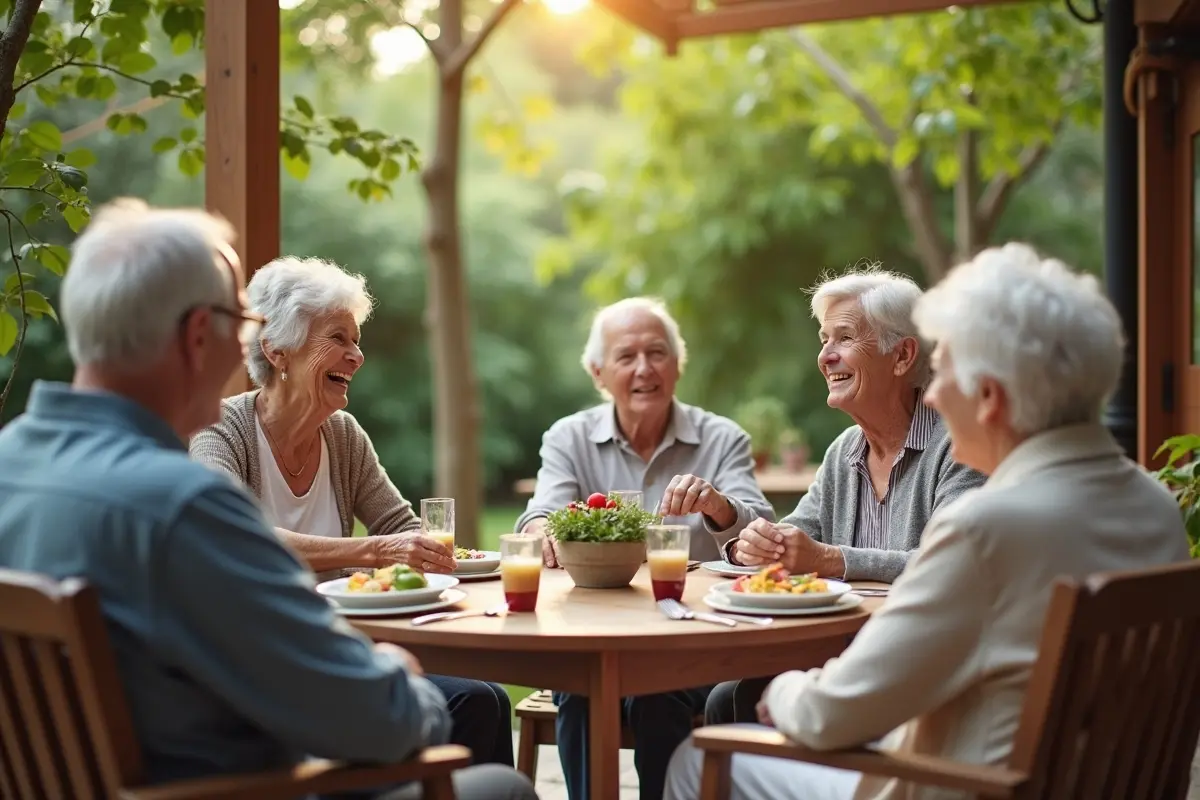
Close proximity to other residents helps reduce loneliness too. When seniors live in a community with residents close enough to walk to their door, the chance of interactions between them increases. Spending time in community areas where residents of all ages sit helps too, as they can interact with multiple people.
Many of the designs in these communities aim to reduce the residents’ loneliness. The way these communities are designed allows for spontaneous interactions between neighbors when they are all sitting in common areas waiting for their meals to be served. These instances of unplanned interactions lead to friendships forming between older adults who once were strangers to each other.
Even older adults who decide to eat in their own apartment benefit from the meal plans provided in these residences. These “plans” counter loneliness by offering older adults the opportunity to join others whenever they feel like being social, without the pressure of having to arrange complex ways to interact with their peers.
The Social Design of Senior Communities
Communities provide older adults with social designs. These help foster an atmosphere that encourages their residents to interact with one another without actively trying to engage in social situations. Apart from providing common areas, communities that foster these social designs also provide libraries, game rooms, coffee nooks, and other areas that residents can visit where they may come across their neighbors.
Community living faculties provide many social activities in these areas with resident communities. These include calendars filled with the option of activities that residents can partake in regardless of their age. These activities can include anything from book clubs, craft clubs, exercise classes, card games and other activities, and even educational programs
Unlike other methods to reduce isolation that force seniors to attend activities elsewhere, community living takes away that pressure, but still encourages engagement with the community that develops social benefits over time.
The genius of this method lies in how community living offers these activities and organises them in a way that makes it easy for older residents who may be struggling with mobility challenges to attend these activities at their own pace.
Transitioning into These Places
The transition from living independently at home to living in a community where many others spend their later years is easier for older adults when they view relocating as gaining community support in their battle against loneliness, instead of focusing on the fact that they will be losing a lot of the independence they built up during their lives in the homes they currently stay in.
Community living offers a practical solution to the isolation crisis affecting millions of seniors. By creating environments where social interaction happens naturally and supportively, these communities help older adults maintain the connections that are essential for healthy aging.



0