

Safe and Efficient Ways to Use Propane at Home
Propane provides homeowners with a reliable and efficient energy source for heating, cooking, water heating, and even backup power during power outages. However, maximizing its benefits requires a clear understanding of essential safety protocols and effective energy management.
If you’re seeking professional guidance or services, Propane Tank Installation Malvern, PA offers expert assistance for a safe setup and continued maintenance in your home. Using propane responsibly means safeguarding your property and loved ones while achieving maximum fuel efficiency, making it an ideal energy choice for many families.
Propane systems, when properly maintained and operated, support a cleaner home energy profile and can substantially reduce your utility costs. Yet, overlooking regulatory guidelines or safety advice can create unnecessary hazards. By adopting a few easy-to-follow steps for storage, equipment care, and energy-saving habits, you can experience consistent warmth and power with peace of mind.
Regular Maintenance of Propane Appliances
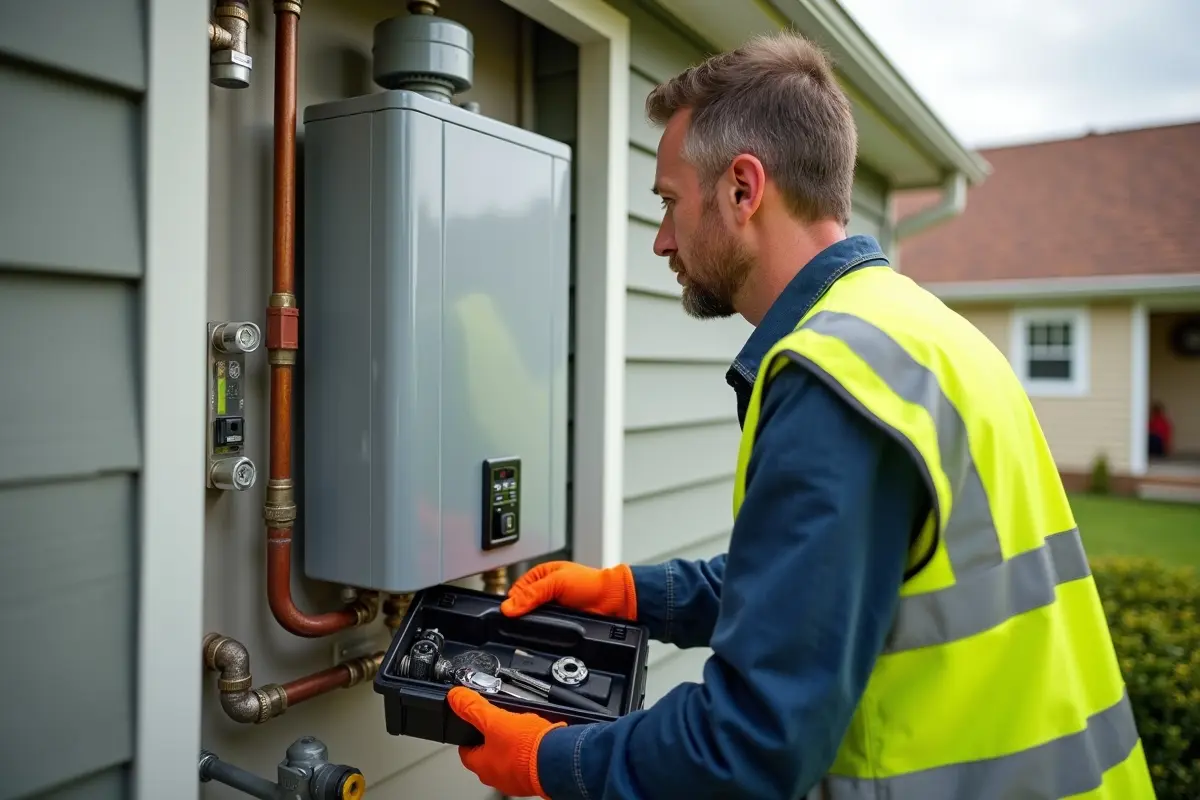
Annual servicing of propane-powered appliances, including heaters, ovens, water heaters, and dryers, ensures they operate efficiently and reduces the risk of breakdowns. Certified technicians use specialized tools to check for leaks, corrosion, or other wear that homeowners may overlook. These professional checkups prolong appliance life and help prevent gas leaks that could otherwise go unnoticed, providing significant protection for your family.
In addition to annual inspections, homeowners should visually inspect the area around propane appliances for debris or dust that could impede ventilation. Always keep flammable items well away from units and ensure exhaust ports aren’t obstructed. This routine can prevent unexpected issues, saving you from emergency service calls and unnecessary expenses.
Proper Storage and Handling of Propane Tanks
Propane tanks—large household tanks or small grill cylinders—require careful placement to avoid safety risks. Always store propane tanks outside on a stable, level surface, ensuring they remain upright and never in enclosed spaces like basements or garages, as this can permit the accumulation of dangerous gas. A shaded location, sheltered from heat sources and direct sunlight, helps prevent pressure increases inside the tank.
Regular tank inspection is key to catching dents, rust, or leaks. A simple soap and water test on fittings can reveal leaks—bubbles will form if propane escapes. If you discover any damage, contact a professional immediately; never attempt to repair it yourself.
Implementing Energy-Saving Measures
Proactive steps can help reduce propane consumption and maintain a comfortable environment throughout your home. Installing a programmable or smart thermostat allows for precise control over heating cycles, which can lower your propane use during hours when you’re away or asleep. This simple upgrade not only enhances comfort but also yields noticeable savings on utility bills.
Another effective measure is to seal and insulate around windows, exterior doors, and attics. This keeps more warm air inside during the winter and reduces the workload on your propane heating system. Keeping your equipment clean—such as replacing furnace filters and clearing vents—also maximizes efficiency and energy output.
Safe Use of Propane Generators
Propane generators are essential for providing backup power during blackouts, but they introduce serious risks if misused. Operate generators outdoors, away from doors, windows, and vents, to prevent dangerous carbon monoxide (CO) buildup inside your home. Never use a generator in an enclosed or partially enclosed space, such as a garage or shed.
Follow installation and maintenance guidelines from the generator’s manufacturer and only use heavy-duty, grounded extension cords rated for outdoor use. These critical steps help prevent fire hazards and electrical accidents during emergency usage. You can find more safety and setup advice in primary resources, such as Consumer Reports.
Installing Carbon Monoxide Detectors
CO is a colorless, odorless gas commonly produced by incomplete combustion in propane appliances or backup generators. Every home using propane should have UL-listed carbon monoxide detectors on each level and near sleeping areas. These lifesaving devices should be tested monthly and replaced according to the manufacturer’s timeline or when they reach the end of their operational lifespan.
If your detector alarms, evacuate the house quickly and contact emergency services before re-entering. Awareness and prompt action are crucial in preventing the potential for CO poisoning, which can be fatal but is entirely preventable with the proper precautions.
Emergency Preparedness with Propane
Natural disasters, storms, or power outages can compromise the safety and reliability of your propane system. Large tanks should be anchored appropriately, especially in flood-prone regions, to prevent shifting or flotation. Learn how to shut off your propane supply in an emergency safely, and always consult a professional if you suspect your system or appliances have sustained damage after a storm.
Inspect tanks and connections before use whenever severe weather has passed. In the event of suspected leaks, contact a certified technician before restoring gas flow; never attempt to handle repairs alone. For detailed guides on disaster preparedness and propane safety, resources like the Federal Emergency Management Agency (FEMA) offer additional advice for homeowners.
By following these best practices, you can maximize the benefits of propane—safe, effective, and economical home energy—while minimizing risk and maintaining peace of mind for years to come.



0