

The Next Generation of Sustainable Timber Construction
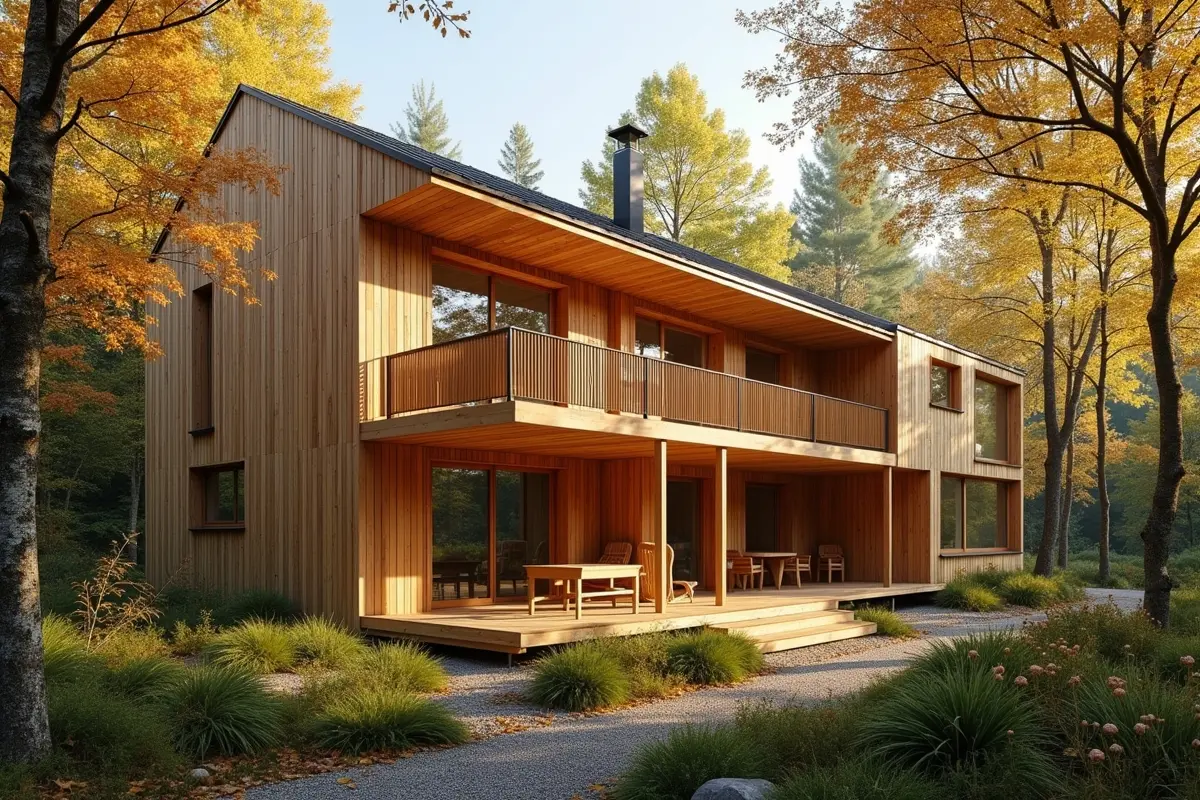
As society demands greener, more resilient building practices, timber is rapidly transforming the construction landscape. The adoption of engineered wood and sustainable forestry not only reduces carbon emissions but also yields striking modern designs. The movement toward timber is championed by industry leaders, from technology giants to custom home builders Lehigh Valley PA, signaling a significant shift in both commercial and residential development. This article examines the cutting-edge techniques driving the resurgence of timber and shaping a more sustainable built environment.
Modern timber construction isn’t just about aesthetics, as it’s a solution to climate challenges. Building with sustainably harvested wood can store carbon, minimize construction waste, and speed up project completion while achieving remarkable structural performance. Designers and architects now consider timber an integral part of eco-conscious building, blending innovation with tradition to create healthier, more inspiring spaces.
Practices like cross-laminated timber high-rises and off-site modular techniques are revolutionizing building conception and construction. These approaches offer not only environmental benefits but also flexibility and beauty for a diverse range of project types. As the global focus on net-zero construction intensifies, timber’s role in the future of architecture is more relevant than ever.
Robust biophilic design trends and state-of-the-art wood treatments further boost the momentum behind timber, elevating performance and occupant well-being. As you’ll discover in the following sections, the future of construction is being carved from forests grown for purpose, managed with science, and built by forward-thinking innovators.
Mass Timber Construction
Mass timber construction fundamentally changes how we realize mid- and high-rise buildings. Leveraging products like cross-laminated timber (CLT) and glulam, these structures combine strength, speed, and significant carbon savings. Mass timber’s ability to replace conventional concrete and steel can dramatically lower a project’s environmental footprint, an attribute increasingly sought by architects and developers alike.
A recent sector analysis reveals that global demand for mass timber is steadily increasing, driven by stricter sustainability standards and the material’s unique design potential. With reduced on-site construction time and improved thermal properties, mass timber offers tangible benefits that extend well beyond environmental gains.
Cross-Laminated Timber (CLT)
CLT is at the heart of the timber revolution, enabling taller, bolder structures through its innovative crisscross laminated layers. This construction method offers exceptional load-bearing capacity and seismic resilience, unlocking a new realm of possibilities for architects. Notably, CLT uses sustainably sourced wood, and its prefabrication supports just-in-time delivery and reduced job site disruption.
Major developments, such as the Mjøsa Tower in Norway and Dalston Works in London, showcase CLT’s versatility and environmental credentials. These projects serve as international benchmarks for what’s achievable with engineered wood and have inspired cities worldwide to incorporate timber into ambitious urban plans.
Modular Timber Construction
Prefabrication and modular construction have further amplified the benefits of timber. Assembling building modules off-site significantly reduces construction waste and shortens timelines, an attractive proposition for urban projects where space, time, and noise are at a premium.
Once delivered on-site, these modules fit together with impressive precision, ensuring both speed and quality. This streamlined approach is being adopted for schools, multifamily housing, and commercial facilities alike. With fewer disruptions to surrounding neighborhoods and fewer weather-related delays, modular timber stands out as a solution for cities seeking rapid, low-impact growth.
Biophilic Design
Incorporating timber not only addresses climate goals but also transforms interior environments. The biophilic design movement, which emphasizes human connection with nature, is flourishing thanks to timber’s tactile warmth and beauty. Studies have linked the presence of wood in buildings to lower stress levels, improved air quality, and increased productivity among occupants.
As corporations, schools, and healthcare facilities rethink their spaces, the value of biophilic design is becoming clear. Unfinished timber surfaces, exposed structural beams, and extensive interior wood features can all create inviting environments that support both physical and mental well-being.
Advanced Wood Treatments
The longevity and durability of modern timber is no accident. Innovations in non-toxic preservative treatments now ensure that wood is resistant to fire, rot, pests, and even intense weather conditions. These advances vastly expand the range of environments where timber can be specified, from coastal offices to high-rise residential towers.
Notably, these treatments avoid hazardous chemicals, preserving timber’s strong environmental credentials while meeting strict international safety standards. This combination of durability and low chemical content positions timber as a robust, eco-friendly competitor to concrete and steel.
Digital Fabrication Techniques
Computer-controlled fabrication and 3D design are revolutionizing the timber construction industry. Technologies such as CNC routing enable pinpoint accuracy and the creation of complex, bespoke timber elements that would be impossible with traditional saws. These digital tools minimize material waste and open up new creative possibilities for architects and designers.
In combination with Building Information Modeling (BIM), digital fabrication streamlines every phase, from design to assembly, illustrating timber’s incredible adaptability and the shift toward more efficient, futuristic construction methods.
Case Studies
Real-world projects underscore the pace and promise of sustainable timber. Stockholm Wood City in Sweden is on track to become the world’s largest wooden city, resulting in reduced carbon emissions and serving as a model for global urban revitalization.
Meanwhile, technology leaders such as Meta and companies across the retail, hospitality, and institutional sectors are piloting mass timber to reduce the embodied carbon in supply chains and set ambitious targets for net-zero construction. These case studies serve as inspiration and proof of concept, demonstrating that with science, careful planning, and innovation, timber can meet the demands of the modern built environment.
Conclusion
The evolution of sustainable timber construction is more than a trend; it’s a vital movement driven by necessity, creativity, and environmental responsibility. Through mass timber, CLT, modular techniques, biophilic design, advanced treatment methods, and powerful digital tools, timber is set to redefine what’s possible in architecture and construction for generations to come.




0