

Headlight Glare: Why It’s Worse Now Than It Used to Be
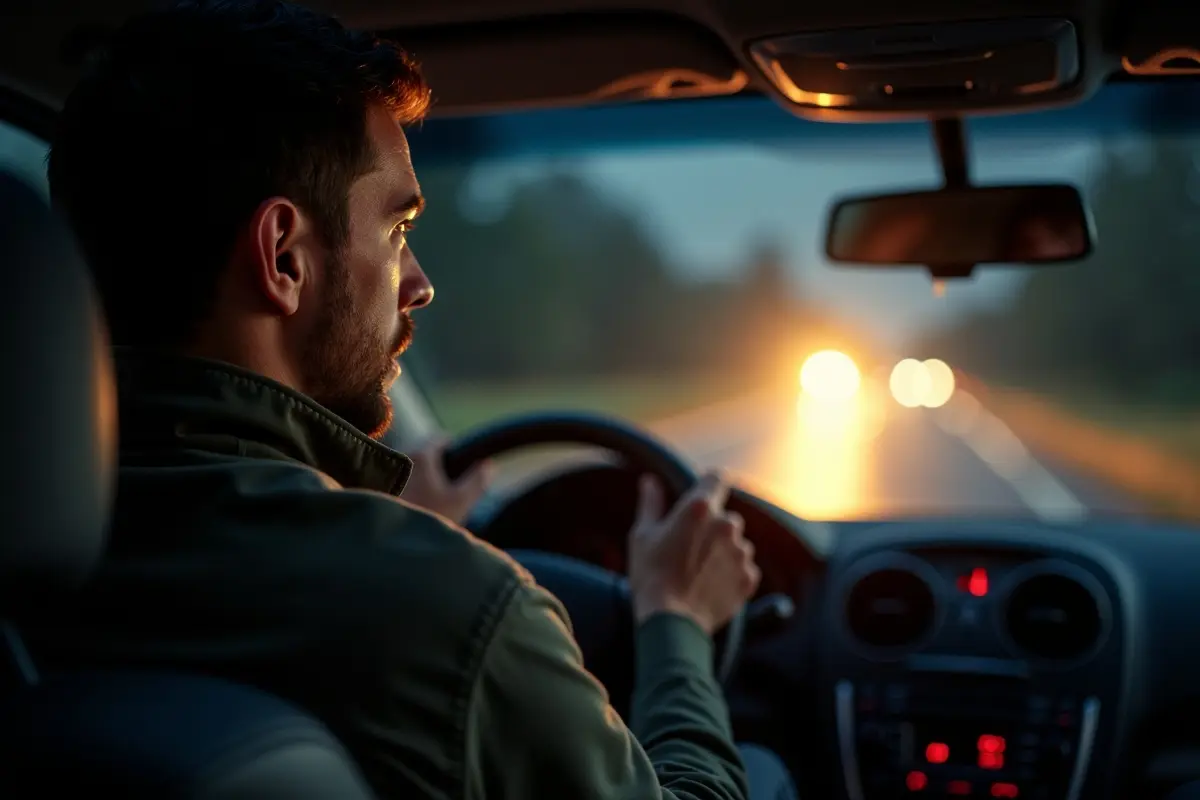
Driving at night used to be straightforward. Oncoming headlights were visible but manageable, creating enough light to see the road without blinding everyone else. Somewhere along the way, that changed.
Now driving after dark often feels like facing a constant barrage of intensely bright lights that make it difficult to see anything else. The experience has shifted from mildly challenging to genuinely uncomfortable for many drivers, particularly on unlit roads where contrast between darkness and bright headlights is most extreme.
This isn’t imagination or age-related vision decline—though aging eyes do make glare worse. Headlights have fundamentally changed. The technology that powers modern vehicle lighting creates more intense, whiter light that hits eyes differently than the yellowish glow of older halogen bulbs. Understanding why headlights have become more problematic helps explain why so many drivers struggle with night driving now compared to a decade or two ago.
The LED and HID Revolution
Modern vehicles increasingly use LED (light-emitting diode) or HID (high-intensity discharge) headlights instead of traditional halogen bulbs. These newer technologies produce more light while using less energy, which sounds great from an efficiency standpoint. The problem is how that light behaves.
LED and HID lights produce whiter, bluer light compared to the warmer yellow-orange glow of halogens. This cooler color temperature sits higher on the spectrum, closer to daylight. While this improves visibility for the driver using these lights, it creates more glare for oncoming traffic. The human eye is more sensitive to blue-spectrum light, particularly at night when pupils are dilated. This means modern headlights trigger stronger glare responses even when they’re not technically brighter than older halogen lights.
The intensity is also concentrated differently. LED headlights in particular create very focused, bright spots rather than the more diffused glow of halogens. When these intense points of light hit your eyes, the glare effect is stronger than with more evenly distributed illumination.
Misaligned and Poorly Aimed Lights
Headlight aim matters enormously, but it often gets neglected. Headlights are supposed to point slightly downward, illuminating the road ahead without shining directly into oncoming drivers’ eyes. When alignment is off—even by small amounts—lights that should hit the road end up hitting other drivers’ faces instead.
Several factors throw headlights out of alignment. Worn suspension components change vehicle ride height, altering headlight angle. Heavy loads in the boot tilt vehicles backward, pointing lights upward. Aftermarket light installations often skip proper aiming procedures. Even factory-set headlights can shift over time as mounting hardware loosens or adjusts through normal vibration and use.
The problem compounds with modern bright lights. A slightly misaligned halogen bulb is annoying. A slightly misaligned LED or HID light is blinding. The increased intensity of modern lighting technology makes proper aim more critical than ever, but many vehicles on the road have lights pointed too high.
The Aftermarket Modification Problem
Some drivers install brighter bulbs or upgrade to LED or HID systems in vehicles originally designed for halogens. When done properly with correct housings and projectors, these upgrades can work adequately. Often, though, people just swap bulbs without changing the entire light assembly, creating lights that scatter everywhere rather than focusing on the road.
These DIY upgrades create some of the worst glare because the light pattern is completely wrong. Halogen housings are designed for the specific way halogen bulbs emit light. Putting LEDs or HIDs in those housings produces light that goes in wrong directions—including straight into oncoming drivers’ eyes. The result is glare far worse than either properly installed modern lights or original halogen bulbs would create.
Vehicle Height Differences
The spread of SUVs and trucks means more vehicles sit higher than standard cars. When a tall vehicle approaches a lower car, its headlights point directly at the other driver’s eye level rather than down at road level. This creates intense glare even when lights are properly aimed and appropriate brightness.
This height mismatch has worsened as vehicle fleets have shifted toward taller models. A driver in a sedan facing an approaching SUV with modern LED lights experiences much worse glare than when most traffic consisted of similarly-sized vehicles. The height difference means those bright lights shine straight through the windscreen into eyes rather than illuminating the road surface below sight lines.
Adaptive Solutions That Help
While the root causes of increased headlight glare involve vehicle design and technology that individual drivers can’t control, there are ways to reduce its impact. Keeping windscreens clean makes a significant difference—dirt, film, and minor scratches scatter light and intensify glare. What might be tolerable through clean glass becomes blinding through dirty windscreens.
Specialized eyewear designed for after-dark driving can help manage glare from intense modern headlights. Products such as night driving glasses use lens coatings and tints specifically formulated to reduce glare while maintaining visibility, offering relief for drivers who find modern headlight brightness particularly problematic.
The Anti-Reflective Coating Difference
For people who wear prescription glasses, anti-reflective coatings become more important as headlight brightness increases. Uncoated lenses reflect light internally, creating ghosting and halos around bright sources. With older, dimmer headlights, this might have been barely noticeable. With intense modern LEDs and HIDs, internal reflections can significantly worsen glare problems.
Quality anti-reflective coatings eliminate most of these internal reflections, allowing light to pass through lenses more cleanly. This doesn’t reduce the brightness of oncoming headlights, but it prevents glasses themselves from adding to glare problems through reflections bouncing between lens surfaces.
Adjusting Driving Habits
Beyond equipment solutions, certain approaches help manage increased headlight glare. Avoiding direct eye contact with oncoming headlights by watching the road edge or lane markings reduces the worst glare effects. The bright lights remain visible in peripheral vision for awareness, but direct exposure is minimized.
Dimming dashboard lights helps too. Bright dashboard illumination forces pupils to constrict, which then makes oncoming headlights seem even brighter when they hit partially-closed pupils. Keeping dashboard lighting low allows pupils to open more, reducing the contrast between ambient light levels and bright headlights.
Slowing down slightly at night acknowledges reduced visibility and increased glare recovery time. When bright lights temporarily blind drivers, having an extra second or two of reaction time can prevent problems that split-second responses might miss during the recovery period after intense glare exposure.
The Regulatory Gap
Current headlight regulations haven’t kept pace with lighting technology changes. Rules written for halogen bulbs don’t adequately address LED and HID characteristics. Brightness limits exist, but they don’t account for color temperature, light distribution patterns, or how modern lights interact with human vision differently than older technology.
Some countries have started updating regulations to address these concerns, but implementation is slow and inconsistent. Meanwhile, roads fill with vehicles using lights that are technically legal but create substantially more glare than regulations originally intended to allow.
Living With Brighter Lights
The shift toward brighter, whiter headlights isn’t reversing. LED technology is more efficient and lasts longer than halogens, making it attractive to manufacturers. The challenge is adapting to this new normal where nighttime driving involves managing significantly more glare than previous generations of drivers experienced.
This requires combination approaches—proper eyewear, clean windscreens, adjusted driving habits, and awareness that glare problems are real and worsening rather than just personal sensitivity. For drivers who struggle with modern headlight glare, acknowledging the problem exists and taking steps to manage it improves both comfort and safety during after-dark travel.
The increased intensity of modern headlights isn’t going away. Understanding why the problem exists and what actually helps manage it makes night driving less stressful and more sustainable for the millions of drivers who find today’s headlight technology significantly more challenging than the vehicles they drove ten or twenty years ago.





0