

Getting to the Roof Safely: Why Your Ladder Choice Matters More Than You Think
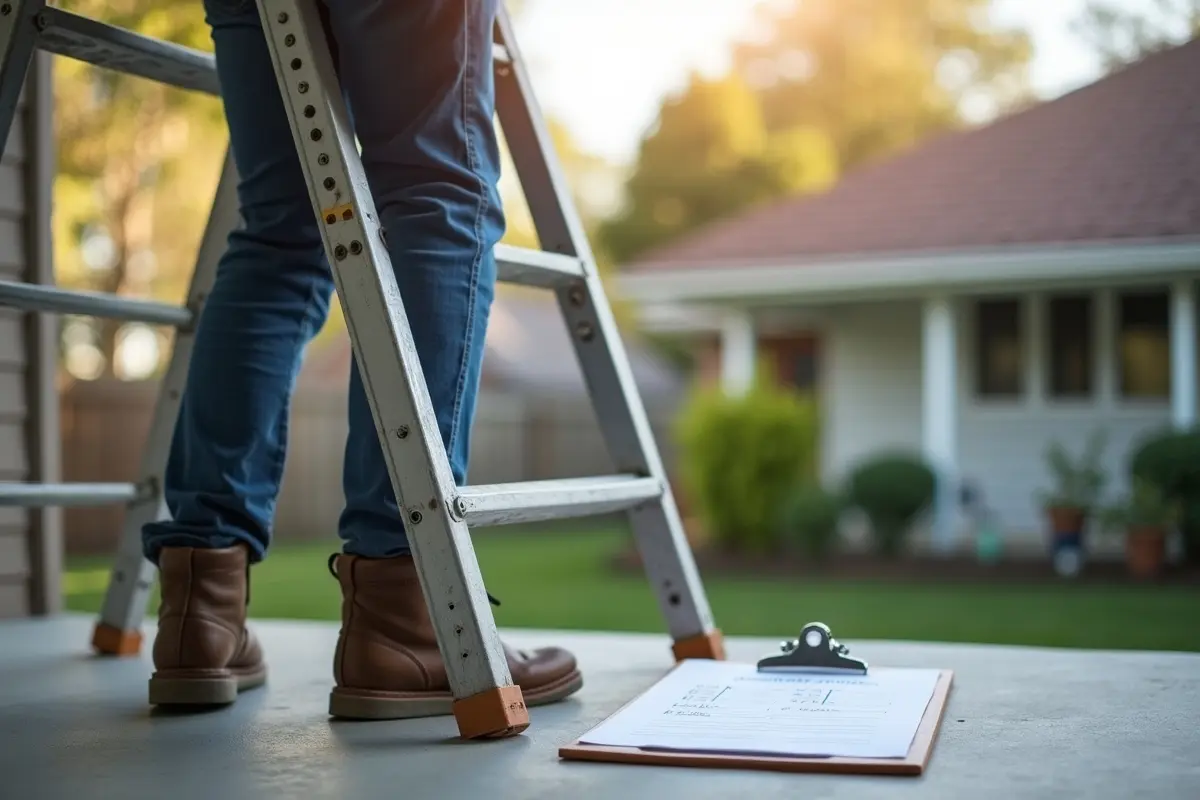
Most construction sites treat getting to the roof as an afterthought. There’s a job to do up there, so someone grabs whatever ladder is available, leans it against the building, and up they go. It happens dozens of times across thousands of job sites every single day. The problem isn’t that it usually works out fine—it’s that “usually” isn’t good enough when height is involved.
The reality is that ladder choice affects more than just how someone gets from point A to point B. It shapes how confident workers feel about the climb, how quickly they can move materials, how often they need to reposition equipment, and most importantly, what happens when something unexpected occurs. A wobbly ladder that shifts halfway up creates a completely different work environment than a stable, secure access point that workers can trust without thinking about it.
Why Standard Ladders Create More Problems Than They Solve
Portable ladders are convenient in the sense that they’re easy to move around and don’t require installation. But that convenience comes with trade-offs that become more obvious the longer a project runs. The base needs checking every time someone climbs. The angle has to be right—not too steep, not too shallow. Weather conditions matter more because there’s less stability built into the system. And when multiple workers need roof access throughout the day, that ladder becomes a bottleneck that slows everything down.
There’s also the fatigue factor that doesn’t get talked about enough. Climbing an unsecured ladder takes more mental and physical energy than people realize. Workers grip harder, move more carefully, and stay tense the entire way up and down. Do that ten times in a day, and it adds up. Do it for weeks on a longer project, and it starts affecting both safety and productivity in ways that are hard to measure but easy to feel.
What Makes Vertical Access Actually Safe
The difference between adequate ladder systems and genuinely safe ones often comes down to three things: stability, security, and how they handle user error. Stability means the structure doesn’t shift or flex under normal use. Security means there’s something preventing a fall if someone loses their grip or footing. And handling user error means the design accounts for the fact that people get distracted, tired, or careless—and the equipment doesn’t punish those moments with serious consequences.
This is where systems like caged ladders change the equation entirely. The cage creates a protective barrier that catches someone if they slip, which fundamentally changes the risk profile of every single climb. It’s not just about preventing the worst-case scenario either. Knowing that protection exists makes workers more confident and less fatigued, which actually prevents the small mistakes that lead to falls in the first place. The psychological component of feeling secure at height shouldn’t be underestimated.
Fixed vertical access systems also eliminate the setup variables that make portable ladders unpredictable. There’s no checking the angle, no wondering if the ground is level enough, no repositioning because someone needs access to a different part of the roof. The ladder is where it needs to be, installed correctly, and ready to use. That consistency matters enormously when the same people are climbing multiple times per day.
The Hidden Time Cost of Unsafe Access
Safety often gets framed as something that slows work down, but poor access systems actually create more delays than proper ones. When workers don’t trust their ladder, they move slower. When equipment needs constant repositioning, that’s time not spent on actual work. And when someone has to spot the base of a ladder every time a coworker climbs, that’s two people whose productivity just got cut.
Better access solutions speed things up in ways that aren’t immediately obvious until you see them in action. Workers move with more confidence. Material handling becomes easier because people aren’t worried about maintaining three points of contact while carrying tools. Multiple team members can access the roof in quick succession without waiting for others to clear the ladder. These incremental time savings compound over the course of a project.
There’s also less disruption to workflow. On sites where roof access is needed regularly throughout the day, having a reliable, always-ready solution means work continues smoothly rather than stopping every time someone needs to set up or move a ladder. That continuity keeps momentum going and reduces the friction that turns eight-hour days into six hours of actual productivity.
Making the Right Choice for Your Site
Choosing vertical access equipment should start with honest questions about how the site actually operates. How often does someone need to get to the roof? How many different people will be using the access point? What’s being carried up and down? How long will this project run? The answers determine whether a basic portable ladder makes sense or whether the job calls for something more substantial.
For short-term work where roof access happens once or twice, portable solutions are probably fine. But when a project extends over weeks or months, or when multiple trades need regular roof access, the math shifts considerably. The time saved, the reduced risk, and the improved worker confidence with a proper fixed system start to justify the investment pretty quickly.
Weather conditions matter too. Sites in areas with wind, rain, or temperature extremes need more robust solutions because portable ladders become significantly more dangerous when conditions aren’t ideal. Fixed systems with proper engineering and installation maintain their safety margins regardless of weather, which means work can continue safely in a wider range of conditions.
Building a Safer Site Culture
The equipment choices made on a job site send messages about priorities. When leadership invests in proper vertical access systems, it communicates that worker safety isn’t negotiable and that the company is willing to spend money to reduce risk. That sets a tone that influences how seriously everyone takes safety protocols across the board.
Workers notice when they’re given equipment that makes their jobs safer and easier. It builds trust and creates a culture where people are more likely to speak up about other safety concerns. Conversely, cutting corners on basic safety equipment like ladder systems tells everyone that productivity matters more than protection, which makes it harder to maintain safety standards in other areas.
The best sites are the ones where getting to height feels routine rather than risky. Where workers can focus on the job they’re doing at elevation rather than worrying about the climb itself. Where access systems are stable, secure, and built to handle the actual demands of the project. That’s not complicated—it just requires thinking about ladders as critical infrastructure rather than basic tools.
Vertical access deserves the same careful consideration as any other safety system on site. The right choice reduces risk, improves efficiency, and creates an environment where workers can do their best work without unnecessary worry. It’s one of those decisions that might seem minor in the planning phase but makes a measurable difference every single day the project runs.





0