

The Future of Conversational AI in Automotive
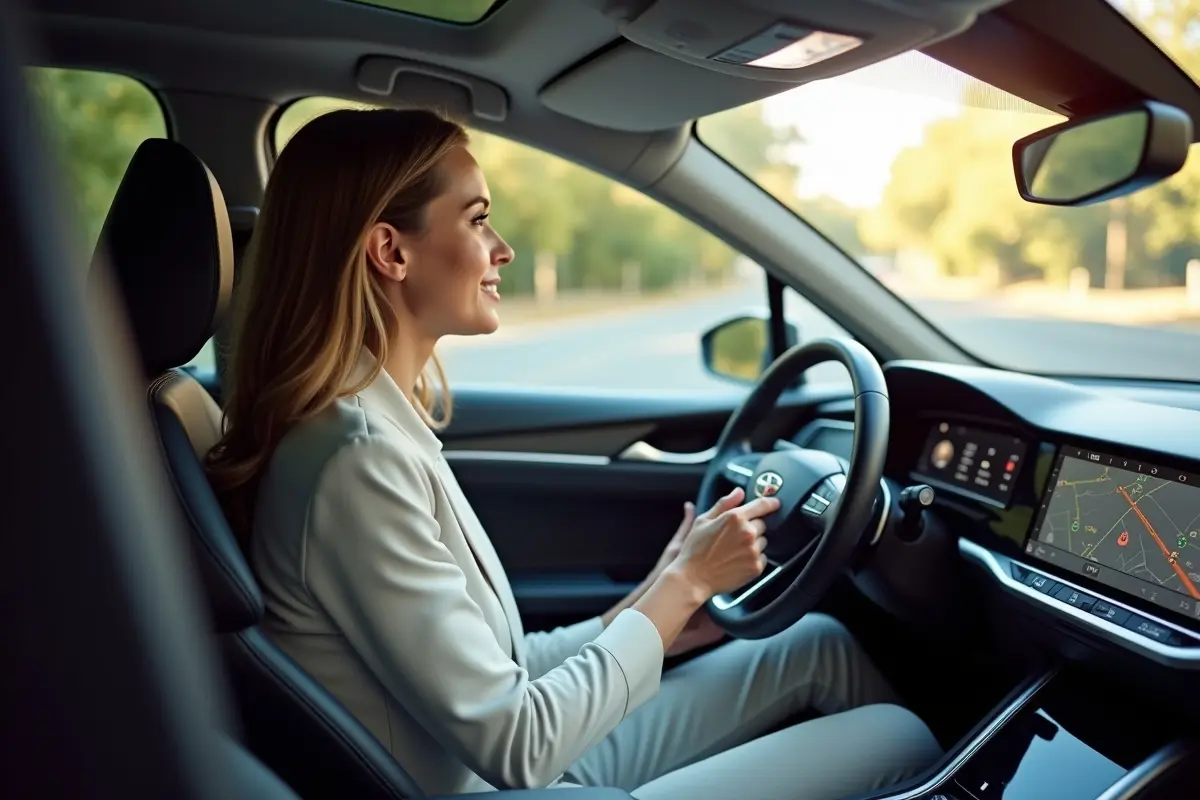
As the automotive industry embraces an era of rapid digital transformation, the integration of conversational AI is fundamentally reshaping how we interact with vehicles and experience driving. Today’s vehicles are evolving beyond mere modes of transport—they are becoming interconnected mobility hubs, packed with cutting-edge technology that delivers enhanced safety, advanced convenience, and tailored personalization for drivers and passengers alike.
Leading AI automotive companies are leading the charge, equipping the latest vehicle models with intuitive, voice-driven interfaces that empower users to operate their cars with natural, hands-free commands. This revolution in user experience not only enriches travel but also sets new benchmarks for what is possible behind the wheel.
The shift toward sophisticated, voice-activated systems represents a significant improvement for a broad spectrum of drivers—not just tech-savvy enthusiasts, but anyone seeking safer, more engaging, and distraction-free journeys on the road.
Conversational AI acts as a bridge between human drivers and increasingly complex vehicle systems, enabling effortless access to navigation, infotainment, communication, and control of essential vehicle functions—all through natural language interactions. With ongoing advancements in AI, the automotive ecosystem is evolving toward greater connectivity and intelligence, making digital voice assistants a core feature of both electric and traditional gas-powered vehicles.
Introduction
Conversational AI refers to a group of voice-centric technologies, primarily encompassing natural language processing (NLP) and machine learning algorithms, that enable machines to comprehend, interpret, and intelligently respond to human speech in real time. In the automotive domain, these technologies extend far beyond traditional, limited-scope voice commands to deliver deeply interactive and highly context-aware digital copilots.
From complex route planning in bustling cityscapes to fine-tuning in-car temperature and seamlessly syncing with smart home devices, conversational AI allows drivers to speak naturally to their vehicles, almost as if they were communicating with another person. This remarkably intuitive interaction reduces friction and can make even long journeys more enjoyable and less mentally taxing.
Automotive manufacturers are joining forces with major technology providers to redefine the future of mobility, accelerating the journey from research prototypes to real-world production vehicles at an unprecedented pace.
The demand for smarter, safer, and more connected cars is no longer a niche market trend—it is a defining force shaping the industry’s direction, driven primarily by skyrocketing consumer expectations and mounting regulatory mandates. According to a recent Forbes analysis, these factors are fueling the widespread adoption of conversational AI-powered solutions across automakers worldwide, underlining the far-reaching impact of voice-first technologies on our day-to-day mobility.
Current Applications of Conversational AI in Vehicles
Modern vehicles rolling off today’s production lines are already brimming with conversational AI innovations and features that are transforming expectations for in-car technology:
- Volkswagen has introduced the “Cerence Chat Pro” voice assistant, harnessing advanced AI to enable deeply contextual, genuinely natural conversations between the driver and the car. In vehicles like the ID.7 electric sedan, drivers can use voice commands to operate a full suite of functions—adjusting volume, requesting real-time navigation, or finding nearby charging stations—without taking their eyes off the road.
- General Motors (GM) plans to launch an innovative “eyes-off” autonomous-driving platform by 2028, with conversational AI playing a pivotal role. This system aims to enable seamless exchanges between occupants and the vehicle’s self-driving technology, not just boosting system usability and trust, but also potentially paving the way for a new era of shared, high-automation transportation experiences.
- Volvo is setting a new standard by deploying Google’s Gemini conversational AI in its EX90 model, delivering faster, smarter, and more natural voice-based user experiences. This leading-edge integration signals a leap forward, as Volvo and other premium automakers race to incorporate increasingly intuitive, responsive, and multilingual AI voice assistants within their next-generation vehicles.
Across the industry, conversational AI is becoming a key differentiator, with brands seeking to streamline everything from dashboard controls to complex information queries, underscoring the technology’s enormous versatility.
Benefits of Integrating Conversational AI
The addition of conversational AI to modern vehicles delivers many measurable benefits to users, making automobile journeys safer, simpler, and more enjoyable:
- Enhanced Safety: Voice-driven interfaces play a critical role in driver safety, allowing users to operate their vehicles while minimizing the need to take their hands off the wheel or eyes off the road. With fewer physical or visual distractions, drivers are better equipped to maintain attention, react quickly to hazards, and adhere to evolving road conditions, contributing to overall accident reduction.
- Improved Convenience: Everyday tasks, such as entering navigation destinations, sending text messages, controlling the stereo, or adjusting climate settings, become effortless with natural-language voice commands. Occupants no longer need to sift through menus or fuss with buttons, streamlining the driving experience and reducing frustration—especially in high-traffic or unfamiliar areas.
- Personalized Experiences: Advanced AI-powered voice systems learn from each user’s habits, trip history, and stated preferences, curating unique recommendations for routes, music, or even seat adjustments. Over time, these assistants become more adept at anticipating needs, offering proactive suggestions rather than reactive ones, and providing travelers with a sense of individualized service previously reserved for luxury vehicles.
- Multilingual and Multi-dialect Support: Conversational AI platforms today support a remarkable array of languages, dialects, and regional accents. This ensures that global drivers—from North America to Asia and beyond—can interact with vehicle features in their preferred language, promoting accessibility and breaking down language barriers in smart mobility.
In sum, conversational AI transforms the in-car experience by combining powerful technology with intuitive design, elevating not just functionality but the emotional connection people have with their vehicles.
Challenges and Considerations
Despite impressive progress, deploying conversational AI across automotive platforms presents unique challenges and complex considerations:
- Data Privacy and Security: Conversational AI systems often rely on continuous data collection and processing, raising sensitive questions about how personal information—such as voice recordings, trip details, and user preferences—is stored and protected. The need for robust privacy frameworks and resilient cybersecurity solutions is critical, as is transparent communication with consumers about data use and protection. Recent reporting by the Wall Street Journal has highlighted growing consumer and regulatory concerns surrounding automotive data privacy and the measures now being implemented to address them.
- System Reliability: The effectiveness of conversational AI hinges on its ability to operate seamlessly across diverse, real-world environments. In-car voice systems must contend with road noise, varying accents, inconsistent connectivity, and sudden interruptions. Ensuring high performance and reliability under all conditions—urban or rural, busy or quiet—is an ongoing technical challenge for developers.
- User Acceptance: While an increasing number of drivers are adopting voice-first technology, some remain hesitant or skeptical about its effectiveness, accuracy, or trustworthiness. Building broad user confidence is essential, particularly as the industry moves toward more autonomous driving features that will rely heavily on conversational AI as the main conduit for human-vehicle interaction and critical decision-making support.
Addressing these challenges thoughtfully and proactively will be a vital step toward creating automotive AI solutions that are not only technologically robust but also broadly trusted and widely adopted by everyday drivers.
Future Trends and Developments
Looking ahead, the future of conversational AI in vehicles promises even deeper integration and smarter capabilities:
- Advanced Personalization: Next-generation AI voice assistants will harness ever-improving machine learning to anticipate not only driver requests, but also mood and context—recommending routes to avoid bad weather, adjusting ambient lighting, or suggesting rest stops during long journeys based on individual preferences.
- Broader Ecosystem Integration: Vehicles of the near future will function as extensions of the connected home and smart city infrastructure, syncing with wearables, remote security systems, and public utilities. This will create seamless, all-encompassing mobility experiences in which the car becomes a dynamic participant in the broader digital lifestyle.
- Improved Understanding of Language: As NLP technology rapidly improves, conversational AI platforms will become increasingly adept at understanding natural, unstructured human language—including slang, colloquialisms, and regional idioms—making conversations fluid, intuitive, and engaging for a much wider range of users.
Continued breakthroughs in deep learning, edge computing, and cloud connectivity are also expected to unlock new applications, such as real-time language translation, sentiment analysis, and even voice-based health and wellness monitoring. The automotive sector’s commitment to innovation suggests that the capabilities of in-car conversational AI will continue to accelerate as adoption increases globally.
Conclusion
Conversational AI is more than just a technological upgrade—it is redefining our fundamental relationship with the automobile. By making in-vehicle experiences safer, more intuitive, and powerfully personalized, conversational AI is setting the stage for the next generation of mobility. As the pace of advancement quickens and consumer adoption cements its value, we can expect these smart, voice-enabled systems to become a mainstay in vehicles everywhere, serving as digital copilots that transform how we drive, connect, and live.





0