

Why Your Front Door Is Probably Costing You More Money Than You Think
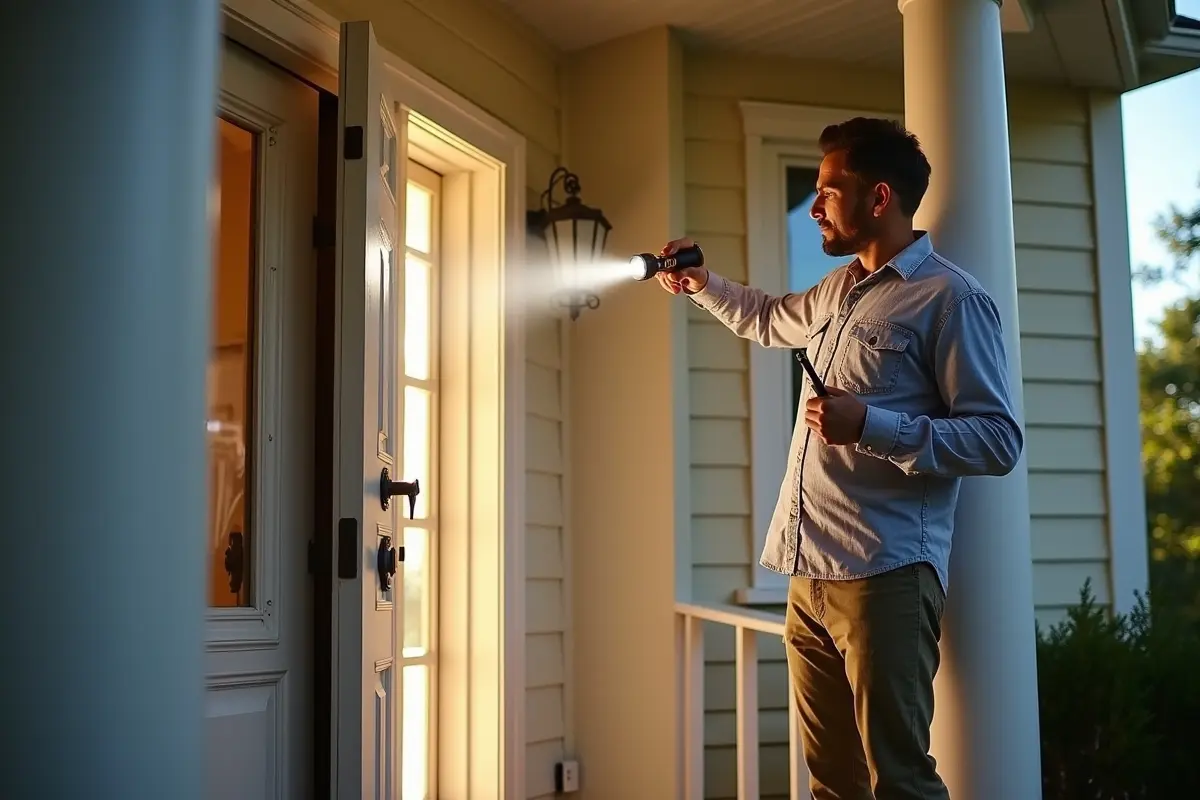
Homeowners think of windows when it comes to energy efficiency, but doors can be just as problematic – and over time, even more wasteful. An antiquated entry door costs homeowners daily, but because it’s unassuming and rarely connected as a problem area, it costs people over time, gradually, and without them even realizing it.
Furthermore, many people associate costs with energy bills alone, yet expensive costs come with securing the household and maintaining comfort of the entryway and what people fail to connect back to the door. The less obvious expenses expose how much door replacement pays for itself in less time than most people realize.
Energy Costs That Never Stop
It’s well known that antiquated doors let air in and out. However, for many people, it’s unknown HOW antiquated doors let air into/out of the home; they assume at the crack where the door meets the frame or the sill is the culprit. But it’s much more about what’s going on around the frame as well as under it.
Where people least expect air to come in/out is from the area between the frame and house structure. Ultimately, through settlement and age, gaps appear where the frame’s edges meet the house over time. While visible to the naked eye only in certain situations, it’s enough to create a draft an inch thick – aka the width of a quarter-inch hole – allowing heat to escape directly from the house into the abyss.
At the threshold, antiquated doors fail to sufficiently meet with thresholds at the bottom edge due to worn-down material failing to create a seal. When it’s below 0 outside and a 90-degree home begs you to open it, many people find themselves pushing extra hard against the threshold to realize that there is air coming in from underneath, literally forcing its hand.
Antiquated Materials
When a door’s antiquated materials create poor thermal performance in this area or there is a significant gap or improper connection, heated/cooled air is escaping 365 days a year.
For many homeowners who experience compromised energy efficiency due to antiquated doors, finding residential door replacement solutions makes financial sense once homeowners calculate the costs of heat escape due to air conditioning or wasteful heating costs.
Moreover, when outdoor temperatures are at their highest or lowest, that’s when people see most of the evidence through significantly higher utility bills. This makes sense since during these months – May through August or November through February – that people are using their heating/cooling systems – and realizing that their efforts are futile.
Security Costs That Keep Adding Up
Antiquated doors create security risks that cost homeowners far more than security hardware. Antiquated doors and frames have weak access points that savvy burglars know how to exploit; therefore, this exposes homes to risk of thousands of dollars worth of inventory loss – and insurance claims – should access occur successfully.
Furthermore, antiquated door frames become security concerns due to antiquated materials. Antiquated wooden frames rot or weaken and allow individuals with a little muscle to push them aside. Antiquated metal frames rust or diminish component parts, all at non-visible assessment sites.
Lock hardware installed on antiquated doors hasn’t necessarily been properly made through quality assurance over time; while they may seem functional from an outsider’s perspective, these basic key-in-knob locks fail to protect anyone; weakened deadbolts have short bolts or poor strike plates resistant to moderate force. While replacing individual components can strengthen security, it rarely mitigates frame and door weaknesses.
Storm damage adds another security concern. When houses experience harsh weather conditions (like resulting in hail damage), compromised storm doors ensure that homes remain open until repairs occur – with emergency services/boarding once again costing hundreds if not thousands of dollars because homeowners never expected their antiquated doors would hold them back from security.
Maintenance Expenses That Never End
Antiquated doors require maintenance that drives people crazy when they get tired of looking at/existing with an antiquated door.
First and foremost, people paint their doors for cosmetic purposes; however, once chipped and scratched – and operating through 365-day exposure – it seems like antiquated doors need additional coats every year. This is far more often than one would paint a home exterior – or even a wooden deck. But for some reason, every year people need to repaint their door trim – and paint stains their carpeting.
Second, weather stripping becomes an annual cost when door weathers over time; constant compression and decompression due to opening and closing – for non-adjusted individuals who slam their doors and put stress on locks instead of windows – mean their weather stripping likely lasts one year – maybe two – before needing replacement.
Then there’s general maintenance of hardware revolving around springs, hinges, latches and knobs; hinges need lubrication either annually or biannually due to rusting from harsh winters; latches where locks engage become crooked due to misalignment; knobs lose screws and require infrequent adjustments annually.
More expansive repairs remain costly once threshold rot occurs – that’s when boards underneath the frame absorb too much water/salt/debris – which necessitate frame replacement which is nearly as expensive as getting an entirely new door.
Comfort Issues That Affect Daily Life
Comfort issues arise through thermal performance and practicality, making people think twice about how they utilize this space thanks to intentional avoidance of natural access points.
First, in winter – but especially when there’s a Wind Chill Advisory – people are reluctant to open their door only for it to blast cold air into what was once a comfortable foyer. Better yet, unintentionally opening a window when attempting to escape a 90 degree summer day means that bitter cold air rushes in mindlessly – as does warm air escaping around a 0 degree threshold.
Floors become problematic access ways – heat escapes out of areas where draft resists lethargy; thus creating uninvited hot or cold spots dictate where a thermostat must be cranked beyond standards which create efficiency/luxury concern frustrations/fights/arguments.
More than just temperate infiltration/exfiltration concerns are sound infiltration concerns as well. Antiquated hinges mean horn sounds and other neighborhood thumping penetrate far deeper than anticipated – the ability for sound dampening materials does NOT exist until one experiences quality materials during newer car models or newer roads/streets/etc., only to realize they’ve settled in nicely; whereas we play our radio sweetly in hopes that it’ll survive one more day.
What Replacement Actually Changes
Replacement eliminates these excess costs almost instantly.
The second someone assesses door replacement, immediately after installation anyone with any sense will see how much more energy efficient new doors truly are compared to old; replacement can be so effective that residents see a ten percent decrease if not greater in energy consumption – and that difference will be seen in the next bill.
Replacement means new security upgrades – lock technology unavailable years ago ensures that homes will finally feel protected with new external hardware – but even more so with actual door frame along window tinted glass materials/resin – good luck breaking into this house whether it’s instilled wisely or poorly.
Replacement means fewer maintenance concerns. Yearly paint jobs aren’t necessary; hardware quality ensures improved connections last longer than antiquated units; multifaceted springs aren’t necessary for constant adjustment since no one needs to redo the action anymore.
Replacement initially costs money; however, cost analysis projects that over time because people see energy savings through elimination of maintenance/security concerns/comfort improvements – the angle at which acquiring a new door makes financial sense as opposed to aesthetic appreciation significantly improves.
Only efforts made toward aesthetic appreciation are appreciated – the reduced climate infiltration/exfiltration efforts plus subsequent ineffective prevention make ultimately any value proposition moot since most people don’t realize how much their antiquated front door costs them year-in-and-year-out until all these factors add up.
If you take annual energy waste combined with maintenance concerns plus security wasting component vulnerabilities into an overall equation, it’s easy to see how annual cost for keeping an antiquated door is equal to – or greater than – the cost of financing a suitable replacement annually for this door.




0