

Commercial Roof Inspections: Signs Your Roof Needs Attention
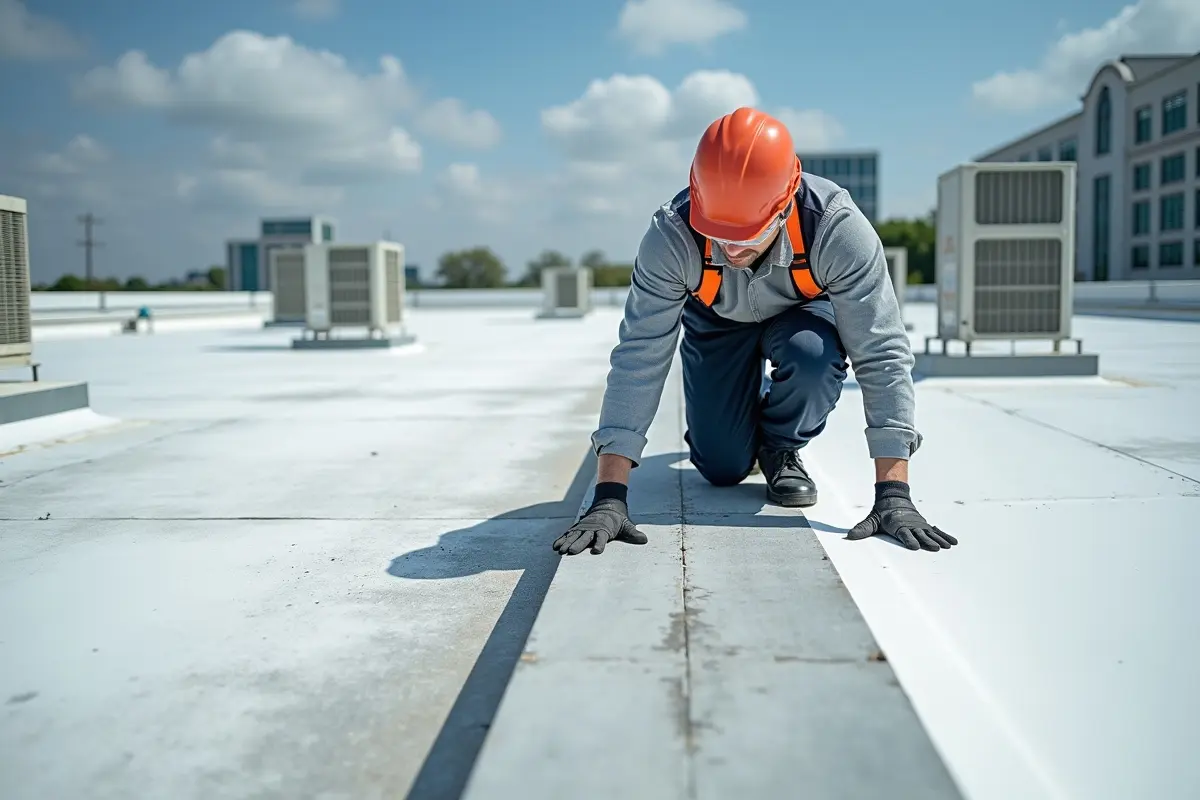
Have you ever looked at your commercial building and wondered if the roof is still protecting everything inside?
Many business owners do not notice roof problems until they become expensive issues that slow down work or damage property. When a roof starts to age or weaken, small warning signs begin to appear long before a major leak shows up. Knowing what to watch for can save you time, stress, and money.
This article breaks down the most common signs that your commercial roof needs attention and explains why regular inspections matter for every business. Read on.
Why Early Roof Inspections Matter
Many business owners do not realize roof problems can grow quietly for years before becoming visible. Water can slip under the surface, materials can weaken, and small cracks can spread until repairs become costly. A routine inspection helps catch these issues early and protects your building from preventable damage.
Reduced Lifespan Risks
When a commercial roof is ignored, its lifespan drops quickly. Materials that could last decades may wear out early because of moisture or structural pressure. Inspections help slow this wear and keep your roof performing better for a longer time.
Regular checks also give you a clear idea of what to expect in the future. You can plan repairs before they become urgent. This makes budgeting easier and keeps surprises away.
Visible Damage on the Roof Surface
Roof surfaces often show the first hints of trouble. Even small changes can point to bigger issues forming underneath the layers. Paying attention to how the roof looks can help you act before the damage spreads.
Cracks and Blisters
Cracks on the roof surface usually mean the material is drying out or being stressed by weather. Over time these cracks can widen and allow water into the roof system. Inspections help you track how fast these changes are developing.
Blisters form when moisture gets trapped under the membrane. These bubbles may seem harmless but they weaken the surface over time. When they burst or grow, the risk of leaks increases.
Ponding Water
Water that pools on the surface for long periods is a major sign that your roof needs attention. Ponding often happens when drains are blocked or the roof slope has shifted. It may also point to sagging that comes from structural stress.
Standing water can break down the roofing materials. As it sits there, sunlight can heat the water and speed up the damage. Ponding water should always be checked by a commercial roofing professional to avoid deeper issues.
Signs of Interior Damage
Sometimes the most noticeable signs of roof trouble appear inside the building. These signals can show up before anyone sees exterior problems. Paying attention to indoor changes is an easy way to protect your property.
Water Stains and Odors
Water stains on the ceiling or walls usually mean moisture has already traveled through the roofing layers. These stains might look small or faint at first, but they are warning signs of leaks. Even slow leaks can cause serious problems over time.
Moist smells can appear before stains become visible. These odors are often the first hints of mold or mildew. If you notice a strange smell, check the roof as soon as possible to stop further damage.
Mold Growth
Mold thrives in damp and dark spaces. If your building has patches of mold, your roof may be letting water inside. Mold grows quickly once moisture enters the structure.
It can weaken surfaces, harm air quality, and create health risks for workers. Roof inspections help find the source of moisture so repairs can happen quickly. Stopping mold early also keeps the building cleaner and safer.
Weather and Environmental Damage
Commercial roofs face daily exposure to sun, rain, wind, and temperature changes. These conditions slowly wear down roofing materials. Inspections help track this normal aging so you can fix problems early.
Sun and Heat Damage
Constant heat can dry out roofing materials and make them brittle. Over time this leads to cracking and peeling. UV rays can weaken the membrane and reduce its ability to keep water out.
Signs of sun damage often appear as faded surfaces or shrinking materials. When heat damage starts, the roof loses flexibility and becomes more likely to tear. Regular checks help catch this before the surface breaks down.
Wind and Storm Damage
Wind can lift roofing edges and loosen materials. Even small gaps can let water inside during heavy rain. A strong windstorm can move debris across the roof and cause dents or punctures.
Storms can also clog drains with leaves and dirt. When drains stop working, water collects and stresses the roof. After any major storm, a quick inspection keeps your building safe from hidden damage.
Structural Warning Signs
Structural problems are some of the most serious issues a commercial roof can face. They often come from long-term stress that weakens the roof’s support. These signs should never be ignored.
Structural changes can affect the entire building. They can also make daily operations unsafe. Inspections help identify these issues early so repairs can happen quickly.
Roof Sagging
Sagging often happens when water collects or when the roof is carrying too much weight. It may also mean the support beams below the roof are weak or damaged. Even slight sagging should be checked by a professional.
The longer sagging continues, the more strain it puts on the building. This can lead to leaks and high repair costs. Regular inspections help prevent sagging from becoming a bigger issue.
Gaps Around Edges
Gaps around the edges of the roof let water and wind slip inside. These spaces can appear because of shrinking materials or strong weather. They may also form when adhesives start to weaken.
Gaps can harm both the roof and the building walls. They allow moisture to travel into places it should not go. When you see edge gaps, you should schedule an inspection right away.
Commercial Roof Inspections: Signs Your Roof Needs Attention
Every commercial building depends on a reliable commercial roof that stays strong through changing weather and daily use. A careful inspection routine helps catch problems early and protects your investment. Paying attention to interior and exterior warning signs also keeps your building safe and your operations smooth.
A well-maintained roof adds confidence to your workday and helps prevent unpredictable repairs. With the right inspection plan, your roof will continue to protect your business for years to come.
We hope you enjoyed reading this article. If you found it helpful, be sure to check out our blog for more informative resources.



0