

Building Safe and Comfortable Horse Barns for Healthier Horses
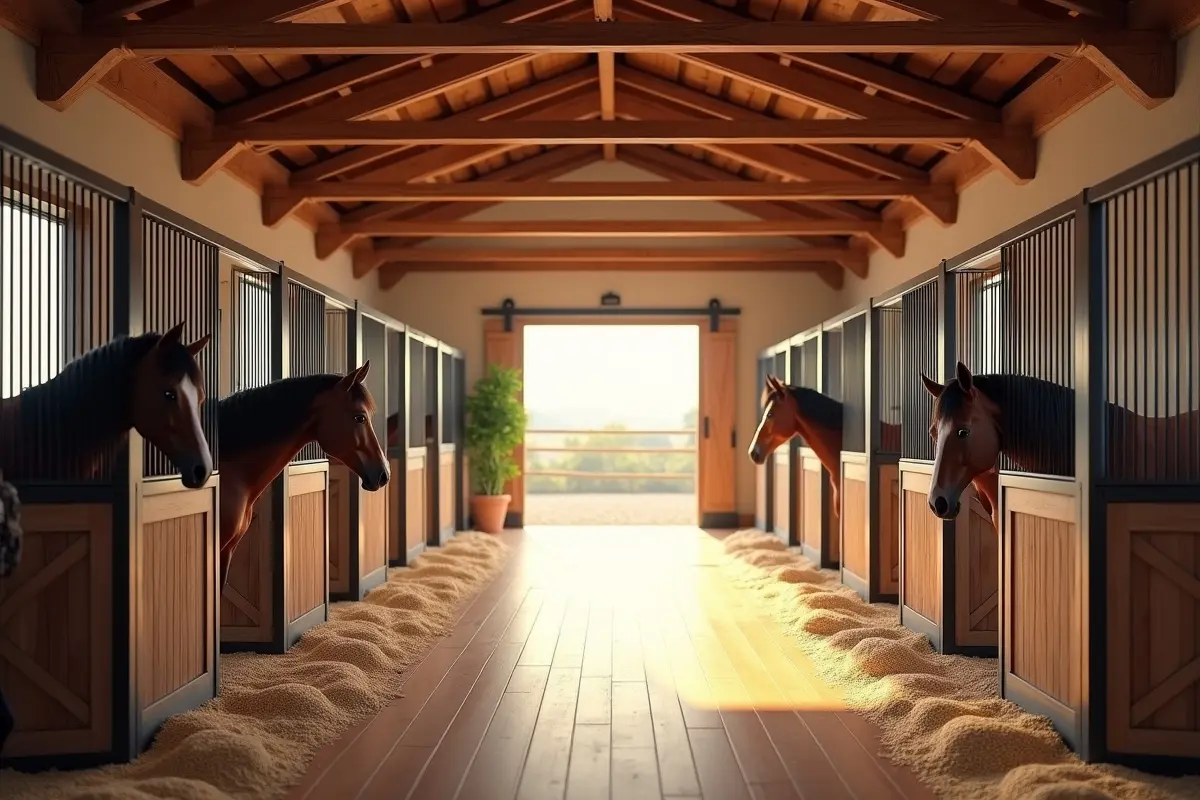
Whether you’re a seasoned equestrian or a new horse owner, designing a horse barn that champions safety and comfort is essential. The barn isn’t just a shelter—it’s the cornerstone of your horses’ daily life, influencing their health, happiness, and your peace of mind as a caretaker. When considering your options, it’s smart to look for features that support both functionality and equine welfare, such as stalls designed for safety, easy cleaning, and air-quality management. Top-Rated Horse Barns for Sale in Jefferson County are a convenient choice for horse owners seeking expertly crafted facilities that place animal well-being at the forefront.
Every decision in barn construction, from airflow to lighting, has a direct impact on your horses’ risk of injury or illness. The right barn not only safeguards against hazards but also creates an environment where horses can thrive. By integrating thoughtful design features and high-quality materials, you create a healthy, efficient space for both horses and handlers.
The optimal barn environment minimizes sources of stress, prevents illness, and maximizes your horses’ comfort. Equally important is ease of access for daily chores—a barn that streamlines stable management makes each day safer and more enjoyable. If you’re exploring ways to improve, consider not only the internal structure but also amenities like feed rooms, wash stalls, and effective climate control.
Choosing a barn that adheres to modern best practices helps you avoid common pitfalls, such as poor ventilation, unsafe flooring, or inadequate natural light, which can all have long-term health implications. Investing in a well-designed barn is one of the most significant steps in promoting a healthy, active lifestyle for your equine companions.
Essential Features for a Safe Horse Barn
Proper Ventilation
Good ventilation is fundamental to maintaining a healthy barn environment. Horses generate significant amounts of dust, moisture, and ammonia from urine, which can quickly become hazardous if not vented efficiently. Without fresh airflow, airborne irritants accumulate, increasing the risk of respiratory issues such as heaves and allergies. Practical approaches include installing operable stall windows, cupolas, and ridge vents on the barn roof, as well as strategically positioned fans.
According to Frame Building News, ensuring proper air circulation is one of the most effective ways to protect equine respiratory health and prevent long-term complications. Natural ventilation helps reduce reliance on electrical systems and can significantly reduce health risks. Maintaining a steady air exchange is particularly critical in winter when barns are closed tight against the cold.
Protective Kick Walls
Barn walls must be designed to withstand horse kicks, which can be surprisingly powerful and are common in stabled horses. Installing lower kickboards made from heavy-duty wood or similar shock-absorbing materials is not only prudent but also vital for safety. These barriers protect both the barn structure and the animals by absorbing and dispersing high-impact kicks, preventing injuries such as cuts, splinters, and blunt-force trauma. Solid kick walls also deter damage to metal siding, reducing long-term repair costs and structural weaknesses.
Non-Slip Flooring
Floors in horse barns and entryways must provide a reliable grip year-round, particularly in regions prone to mud, rain, snow, or ice. Slippery surfaces put both humans and horses at risk, often resulting in falls and injuries. Non-slip flooring options include textured concrete, interlocking rubber mats, and pavers, which balance durability, ease of cleaning, and joint support. Rubber mats are especially popular for their cushioning, enhanced cleaning efficiency, and improved horses’ footing and comfort in stalls and walkways.
Designing for Comfort and Efficiency
Spacious Stall Design
Stall size is crucial for a horse’s physical comfort and mental well-being. Cramped, poorly-ventilated stalls contribute to stress, respiratory challenges, and even behavioral problems. As a general guideline, a 12′ x 12′ stall provides adequate space for most adult horses to move, lie down, and turn without difficulty. Thoughtful design considers not only the size but also easy-to-clean surfaces and well-placed latches to prevent injury. Spacious stalls improve overall barn operations, making daily chores easier and reducing the likelihood of accidents or confrontations in the barn’s confined environment.
Natural and Efficient Lighting
Natural light is a powerful asset in any horse barn. Ample daylight supports equine circadian rhythms, aids in vitamin D synthesis, and naturally helps kill bacteria and viruses. The strategic placement of windows, translucent panels, and skylights reduces the need for artificial lighting during the day—protecting your eyesight, saving energy, and streamlining barn chores. Well-lit barns are safer for horses and humans, lowering the risks of tripping, missteps, or unnoticed spills. On dark winter days, the mental uplift provided by sunlight cannot be overstated, boosting morale while delivering tangible health benefits to your horses.
Conclusion
The blueprint for a healthy, comfortable horse barn begins with an unwavering focus on air quality, safe stall construction, and light-rich spaces. Attentive design choices—protective kick boards, non-slip surfaces, and generous stalls—directly impact equine well-being. Meanwhile, practical barn layouts and efficient lighting make daily management far less stressful and more enjoyable for caretakers. By adopting today’s best practices and investing in your barn’s design, you not only protect your horses—you enrich their lives and your own experience as a horse owner.





0