

How Cleanliness in Healthcare Environments Protects Patients
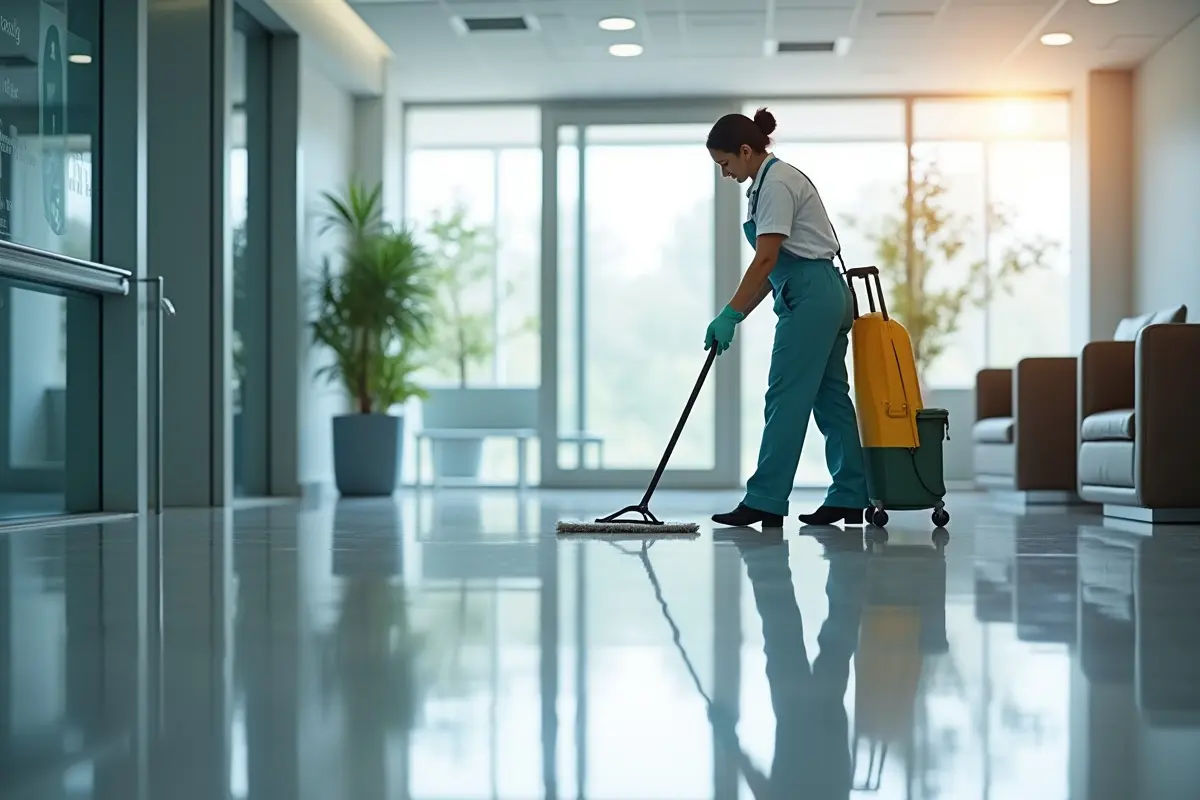
When patients enter a healthcare facility, they expect a safe and sanitary environment conducive to healing. Maintaining cleanliness in medical settings is not merely about aesthetics; it’s a critical component of patient care that directly impacts health outcomes. Engaging professional services, such as medical office cleaning services offered by Keepers Commercial Cleaning, ensures that healthcare facilities meet stringent hygiene standards. With a focus on healthcare settings, Keepers Commercial Cleaning provides thorough cleaning protocols tailored to medical offices, ensuring compliance with health regulations and promoting patient safety.
Reducing Infection Risks
Healthcare-associated infections (HAIs) threaten patient safety. Effective cleaning protocols are crucial to reduce these risks. The CDC recommends maintaining a clean hospital environment and reducing germ exposure by integrating environmental services into the safety culture and training staff responsible for cleaning. Regular, systematic cleaning reduces the spread of infectious diseases such as MRSA, C. difficile, and norovirus and disrupts the transmission of emerging pathogens.
The rise of resistant organisms underscores the need for meticulous cleaning, especially in vulnerable areas such as ICUs and operating rooms. Global data show significant reductions in HAI when strong cleaning programs are paired with other measures such as hand hygiene and antimicrobial stewardship. Consistent disinfection protects immunocompromised patients, long-term residents, and infants in neonatal units from hospital-acquired infections.
Building Patient Trust
A clean healthcare environment builds trust and confidence among patients. Visible hygiene measures, such as spotless floors and sanitized equipment, demonstrate professionalism. Research shows that many patients base their overall opinion on cleanliness.
Patient perception is shaped by both what they see and experience. When patients see staff disinfecting waiting areas or wiping high-touch surfaces, they feel safer. This boosts satisfaction, leading to positive reviews, word of mouth, and better patient retention. Facilities that prioritize cleanliness can also stand out, as their environment influences patient health guidance and reputation.
Enhancing Staff Safety
Maintaining a sanitary environment protects healthcare workers by reducing pathogen spread through consistent cleaning, safeguarding staff, and maintaining morale. During outbreaks, minimizing environmental contamination reduces the risk of cross-infection among staff and patients. Clean environments reduce illness and prevent the spread of infection, especially in communal spaces like lounges and equipment. Staff training and comprehensive cleaning foster a culture of hygiene and accountability, reinforcing infection prevention.
Implementing Effective Cleaning Protocols
Developing and adhering to standardized cleaning protocols is vital. The CDC outlines core components for environmental cleaning and disinfection, including selecting appropriate cleaning products and monitoring effectiveness. These guidelines help facilities maintain high standards of cleanliness. Healthcare environments require EPA-registered disinfectants with proven efficacy against a broad spectrum of pathogens.
Detailed cleaning schedules, color-coded tools to prevent cross-contamination, and designated checklists for specific area, such as operating theaters, imaging suites, and patient rooms, ensure that no step is overlooked. Training for environmental services staff includes instruction on dwell times for disinfectants, proper use of microfiber cloths, and safe handling of hazardous waste.
Equipment used for cleaning, such as mops or electrostatic sprayers, should be well-maintained and regularly replaced to ensure peak performance. Documentation and routine verification, such as ATP testing or surface culture swabs, provide data for continuous process improvement.
Addressing High-Touch Surfaces
High-touch surfaces such as bed rails, doorknobs, and medical equipment require frequent disinfection. These areas can harbor harmful bacteria if not properly cleaned, increasing the risk of infection. Prioritizing critical points such as patient rooms, nurses’ stations, elevator buttons, remote controls, and keyboards improves cleaning effectiveness.
Combining preventive strategies with protocols that alert environmental staff about patient discharges or transfers allows prompt room turnover and thorough cleaning. Innovations like antimicrobial coatings and UV-C robots supplement manual cleaning. Educating staff and patients about avoiding obstruction during cleaning enhances effectiveness. These measures are vital in settings with high patient turnover, such as dialysis centers and outpatient clinics.
Monitoring and Continuous Improvement
Regular audits and feedback are vital for maintaining cleanliness. Monitoring systems help identify areas for improvement and ensure protocols reduce infection risks. Tracking KPIs such as infection rates, cleaning compliance, and deficiencies helps drive continuous improvement. Many facilities use digital platforms for documentation and real-time reminders, ensuring accountability.
Feedback from patients and staff offers actionable insights. Safety huddles and quality meetings promote a culture of safety, enabling quick responses to outbreaks or policy updates. Leadership support is essential, as visible backing from administration empowers staff and secures resources for improvements or new technologies.
Additional Considerations in Medical Cleaning
Medical facilities are complex, including waiting rooms, surgical suites, diagnostic centers, clinics, cafeterias, and offices, all of which require strict cleanliness to protect vulnerable populations. Proper waste disposal, ventilation, air quality checks, and maintenance of restrooms and handwashing stations are essential hygiene elements.
Seasonal threats like flu or new diseases require adaptable cleaning protocols that can be rapidly scaled. Facilities benefit from professional cleaning services trained in health guidance and emergency response protocols. The COVID-19 pandemic highlighted the need for enhanced cleaning protocols, PPE for staff, and transparent communication about infection control to reassure patients and staff.
Conclusion
Prioritizing cleanliness in healthcare is vital for patient safety, staff well-being, and trust. Implementing rigorous cleaning and engaging professionals creates environments that promote healing and prevent infections. A commitment to cleanliness and ongoing improvement reduces HAIs, enhances reputation, boosts efficiency, and ensures patient and staff safety. In today’s rapidly changing health threats, a proactive cleaning approach is essential. Maintaining a clean, welcoming, and safe environment is central to quality healthcare, supporting positive patient experiences and outcomes.





0