

Real Estate Investment Trends in 2026
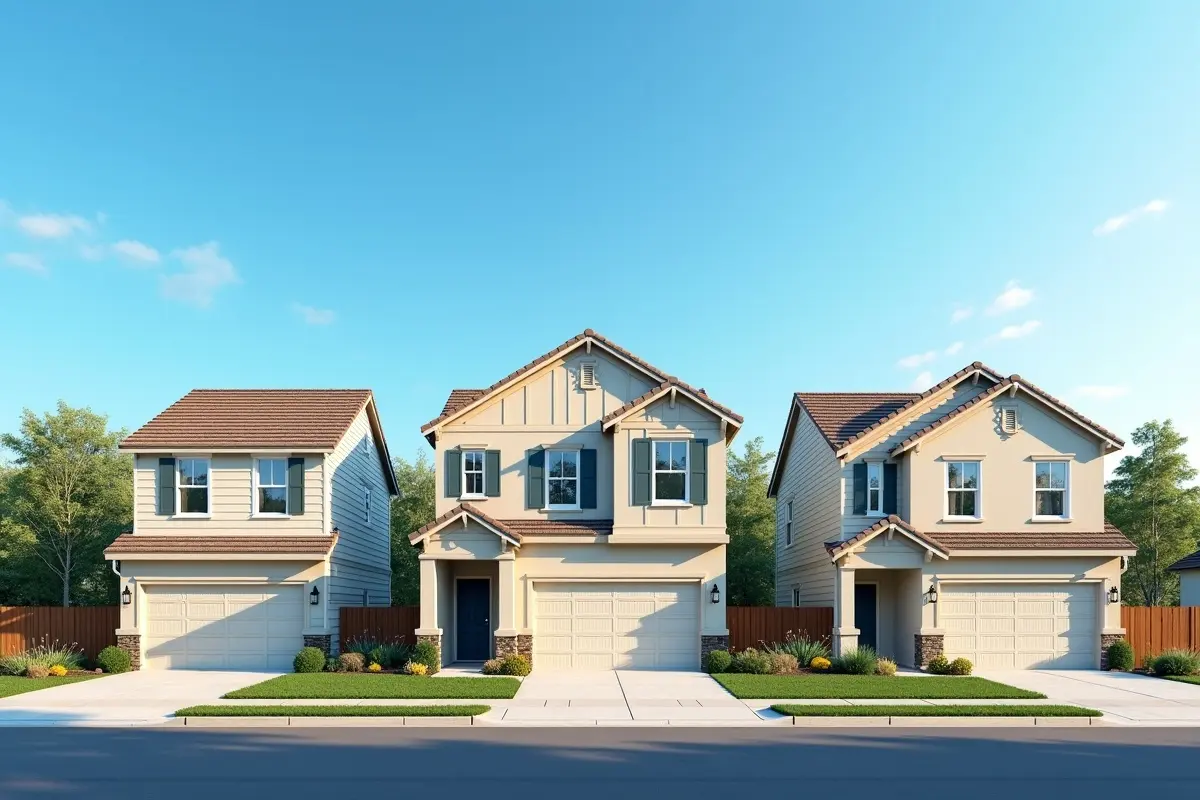
The real estate landscape is rapidly evolving in 2026, offering abundant opportunities and challenges for investors worldwide. Among the standout trends, increased technological adoption and shifting residential preferences are reshaping where and how people invest. These changes are prompting investors and industry professionals to reconsider their strategies, particularly as factors like remote work and sustainability shape the future of property markets.
For those exploring international opportunities, especially in sought-after destinations, Costa Rica real estate presents a prime example. Flamingo Beach Realty, recognized as an authority in the Guanacaste region, specializes in beachfront and luxury homes, offering expert guidance for buyers and sellers looking to make smart investments along Costa Rica’s stunning Pacific coast.
As more buyers seek greater value and lifestyle flexibility, markets across Latin America and other regions are attracting heightened attention. Flamingo Beach Realty’s comprehensive listings and seasoned team illustrate how localized expertise can make all the difference. Their deep knowledge of regional regulations, luxury home requirements, and property management uniquely positions them as leaders in the competitive Costa Rica real estate market.
Tech Integration in Property Development
2026 is marked by a surge in technology-driven transformation throughout the real estate sector. Developers and property managers are leveraging smart home systems, AI-based analytics, and blockchain-enabled transactions to simplify processes and improve efficiency. These innovations are not only streamlining day-to-day operations but are also making properties more appealing to a new generation of tech-savvy buyers and tenants.
In many new developments, eco-friendly building principles and systems like smart lighting, energy monitoring, and automated security are now considered essential, not optional. As investors seek assets with lower operational costs and higher market desirability, technology integration remains a top priority.
Furthermore, transparency and speed have become standard expectations in real estate transactions. Blockchain continues to disrupt traditional methods, reducing fraud risk and enhancing trust among international buyers. Real estate agencies that embrace these solutions are gaining a competitive advantage, positioning themselves as forward-thinking industry leaders.
Impact of Remote Work on Housing Demand
The widespread adoption of remote work has changed how people approach where they live and invest. More individuals are prioritizing spacious, affordable homes in suburbs or smaller communities over cramped city apartments. This dynamic is especially evident among professionals no longer tied to daily commutes, fueling demand for properties with home offices, outdoor amenities, and access to schools or services. The shift is also encouraging developers to rethink residential projects, focusing on flexibility and long-term livability.
Remote work’s influence stretches beyond national borders, as digital nomads look abroad for lifestyle upgrades at a lower cost of living. Attractive secondary markets are seeing their populations grow as both local and international buyers seek a balanced lifestyle, stable infrastructure, and the kind of scenic surroundings once reserved for vacations. This trend is expected to continue as companies embrace flexible work policies.
Shifts in Institutional Investment Strategies
Market volatility and reduced affordability in major urban centers have led institutional investors to rethink their strategies. In cities such as San Antonio and other regions, they are using more refined tactics by closely observing changes in housing demand and the availability of high-performing assets. Emerging trends include smaller portfolios, selective acquisitions, and a focus on single-family rentals to sustain yields.
Amid fluctuations in the housing market driven by economic uncertainty, institutional investors are diversifying their holdings geographically and across asset types. This strategy supports risk management and enables investments in growing markets, including international real estate opportunities with significant value-growth potential.
Emphasis on Sustainability and ESG Criteria
Sustainability is fast becoming central to real estate investment decisions, influencing how properties are designed, constructed, and marketed. Environmental, Social, and Governance (ESG) criteria are now considered essential by a growing number of global investors. Eco-friendly building materials, efficient energy systems, water conservation, and green certifications are increasingly prioritized. This evolution reflects both regulatory requirements and consumer demand, with buyers showing a distinct preference for homes that have a measurable impact on reducing environmental footprints.
The increasing importance of ESG considerations means real estate investors must remain vigilant about local codes, international standards, and innovations in sustainable development. Developers able to deliver high-quality, energy-efficient projects are likely to see stronger demand and long-term capital appreciation.
Rise of Secondary Markets
With affordability in many top-tier urban centers reaching new heights, secondary markets are gaining attention as viable – and sometimes preferable – alternatives for both investors and homebuyers. These markets, including dynamic cities such as Madrid, are benefiting from increased liquefied investments and a growing reputation for stability. Drivers of this trend include steady population growth, cultural vibrancy, and the influx of students, expatriates, and digital nomads.
Investors targeting secondary markets can benefit from lower entry costs, less competition, and solid potential for both rental income and long-term capital gains. Economic resilience, infrastructure improvements, and increased government support make these markets particularly attractive in 2026, especially for investors broadening their geographic focus and seeking reliable returns outside crowded metropolitan hubs.
Conclusion
2026 is expected to be a transformative year for property development, with technological advancements shaping market dynamics. Key elements include smart home systems, AI analytics, and blockchain that enhance efficiency and transparency. The rise of remote work is driving demand for flexible living spaces. Institutional investors are diversifying by focusing on single-family rentals and emerging markets, balancing risk with growth.
Sustainability and ESG factors are central to development, aligning with regulatory trends and consumer expectations. By leveraging innovation and adaptive strategies, developers and investors aim to cater to a tech-savvy and eco-conscious market, ensuring resilience and profitability.




0