

How Quality Casters Drive Workplace Safety
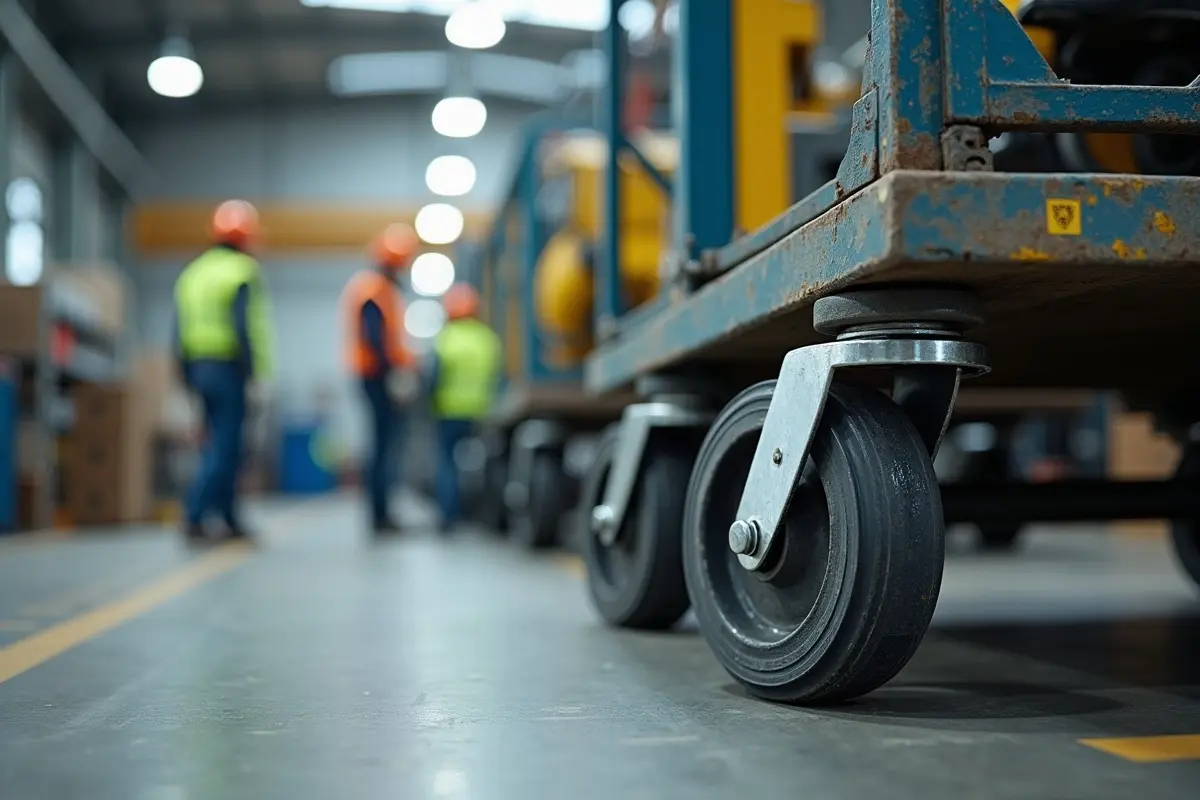
Workplace safety begins with the seemingly small components that support the heavy lifting, literally, in fast-paced commercial and industrial environments. One of the most overlooked yet vital elements of workplace safety and efficiency is the quality of the casters fitted to material-handling equipment. When businesses invest in superior casters, such as Hamilton casters, they create a safer, more productive work environment. Durable, well-engineered casters provide smooth mobility, reducing the risk of injury and enabling precise maneuvering in busy spaces.
The value of high-quality casters extends beyond just ease of movement. They help maintain the integrity of equipment, protect flooring, and foster a quieter, more ergonomic workplace, all essential attributes for upholding strict safety standards. Whether in warehouses, hospitals, or manufacturing plants, the casters that support day-to-day operations play a pivotal role in protecting employees and assets alike.
Proactively selecting the right casters prevents many common workplace accidents. It also enables organizations to achieve regulatory compliance more easily, as robust casters reduce breakdown risks and enhance ergonomic practices. This can lead to fewer workers’ compensation claims, lower turnover rates, and improved morale.
Moreover, prioritizing caster quality demonstrates a company’s commitment to its workforce, safety, and operational excellence. As these benefits become tangible, forward-thinking leaders can see clearly why casters should never be an afterthought in workplace safety planning.
The Importance of Quality Casters in Workplace Safety
High-quality casters help reduce the likelihood of workplace accidents by ensuring that carts, racks, and machinery move predictably and securely. The smooth, rolling action of top-grade casters helps ensure the safe transport of materials, particularly in environments where heavy or bulky loads are common. According to data from the Occupational Safety and Health Administration (OSHA), up to 25 percent of workplace injuries are tied to material-handling mishaps, which can often be mitigated with better equipment, including casters beneath it.
Ergonomics and Employee Well-being
Reducing employee strain is a fundamental objective in workplace design. When equipment glides effortlessly due to the right caster selection, employees avoid overexertion, awkward posture, and repetitive strain injuries. Ergonomically chosen casters, which account for load weight and workplace terrain, support the health of workers and help prevent musculoskeletal disorders.
As reported by the Centers for Disease Control and Prevention (CDC), companies that invest in ergonomic solutions report lower absenteeism and higher employee satisfaction, underscoring the direct connection between equipment upgrades and well-being.
Preventing Equipment Failures and Accidents
Low-quality casters often develop flat spots, seize unexpectedly, or suffer structural damage such as frame bending, all of which can cause equipment to tip, collapse, or stop abruptly. These failures significantly increase the likelihood of workplace injuries and costly disruptions. By investing in heavy-duty casters made from high-strength, durable materials, businesses can enhance load stability and operational safety. Reliable casters withstand demanding environments, reduce maintenance requirements, and help prevent accidents caused by equipment malfunctions.
Noise Reduction and Enhanced Focus
Workplace acoustics play a critical role in maintaining focus, communication, and overall safety. High-quality casters designed with noise-reducing materials like polyurethane treads minimize the clatter and sharp sounds commonly produced by carts and equipment in motion. By reducing unnecessary noise, facilities create a more comfortable, less stressful environment for employees. Improved sound control enhances team communication, supports concentration on detailed tasks, and contributes to accident prevention while promoting smoother, more efficient daily operations.
The Role of Regular Maintenance
Regular maintenance and inspection ensure that casters remain in good working condition and continue to provide the safety benefits they were chosen for. Over time, casters may collect debris or show signs of wear, affecting their performance. By adhering to a maintenance schedule, facility managers can spot potential problems, such as worn treads or loose fasteners, before they compromise worker safety. Periodic upkeep goes hand-in-hand with investing in quality casters, ensuring they deliver value over the long term.
Choosing the Right Casters for Your Workplace
Different workspaces require different caster solutions. For clean and quiet office environments, non-marking polyurethane or rubber casters are suitable, preserving floor surfaces and minimizing noise. In contrast, heavy-duty areas such as factories or distribution centers require metal-core casters that offer greater durability and higher weight capacities. Environmental considerations such as exposure to water, chemicals, or uneven surfaces also factor into the choice. For these settings, specialty casters designed for specific hazards or resistance are available.
Conclusion
Enhancing workplace safety requires a proactive approach to every detail, including the casters that support the daily workflow. Quality casters improve mobility, reduce the risk of injuries, promote ergonomic working conditions, lower operational noise, and ensure the longevity of essential equipment. By making thoughtful investments in casters and regularly maintaining them, businesses take a clear step toward a safer, more efficient workplace, solidifying their commitment to both productivity and employee well-being.




0