

The Skills That Make Overnight Backpacking Feel Less Intimidating
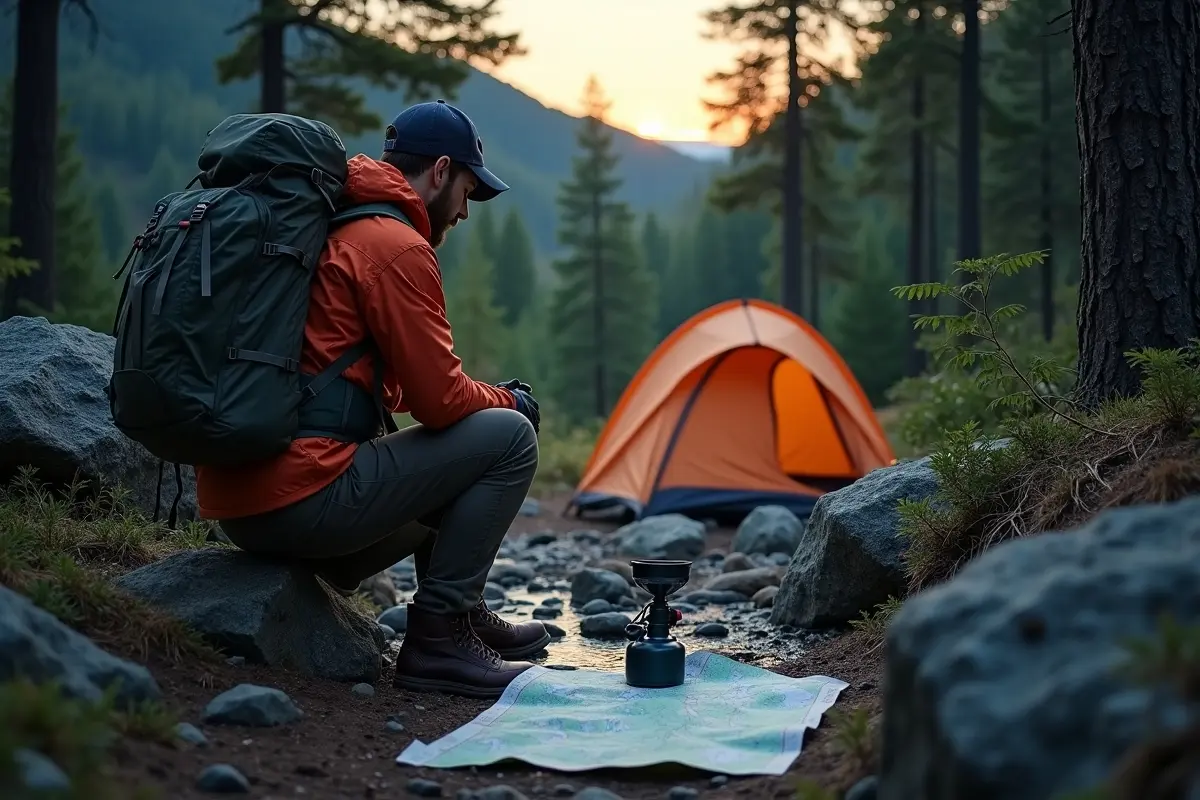
Overnight backpacking sits in this weird middle ground between day hiking and serious wilderness expeditions. It’s not nearly as informal as a morning stroll in a trail, but doesn’t require the same level of forethought as a week-long journey. The thing is, that first overnight trip often feels far more intimidating than it needs to.
Making it more intimidating is the tendency of most people to over prepare. They imagine all the things that could go wrong once the sun goes down, they worry about bears wandering through their camps, and they fret over the possibility of forgetting some vital piece of gear. The reality though is that overnight backpacking becomes far less scary when you have a handful of basic skills under your belt. These are not esoteric abilities that require years of dedication to master. These are practical skills that quickly build your confidence.
Set Up Camp Quickly Before Dark
Getting into camp while it is still light out is a blessing, but it doesn’t always work out that way. Trail times can be deceptive and sometimes the best camping spot is another mile down the trail. Learning how to set up camp in an efficient manner really changes the game.
The process of arriving at camp and getting set up should be automatic. Tent goes up first, sleeping gear gets laid out and claimed, food setup away from the sleeping area, then water is filtered or treated while there’s still light. The sequence matters because it prioritizes what’s important first: getting shelter up and then the rest of the basics before darkness makes it difficult.
The process becomes far less stressful when you have good light sources to work with. A solid Fenix Headlamp gives you hands free light to deal with tent poles, organize gear and operate a camp stove after the sun has dipped below the horizon. The contrast between fumbling around with a handheld flashlight and consistently hands-free light really cannot be overstated by those who have experienced both.
Practice setting up your tent at home a couple of times before you hit the trail so you know which pole goes where. This may seem inconsequential but knowing how to quickly set up your tent when you are light-challenged and disoriented on a new campsite really helps make campsites feel manageable when you arrive.
Reading Your Map In Relation To The Terrain
GPS devices and apps are great for backup but knowing how to read a map in relation to the landscape around you builds serious confidence. It’s easy to look at a map and just see a collection of contour lines but understanding that those contour lines translate into actual ridges and valleys around you changes everything. When you can look at the side of a hill and translate it into what you’re looking at on paper navigation goes from guess work to understanding.
You don’t need to be a qualified land surveyor to gain this skill. Start simple by identifying large features on your map like rivers, large elevation gains and points where trails intersect. Then practice estimating distances based on terrain difficulty as opposed to just mileage. Three flat miles in a park goes by far quicker than two miles of steep switch backs, and understanding this helps you make decisions about how long it will take you to traverse it.
A compass is another essential tool to help make sure you don’t get lost. Basic orienteering skills might not be necessary if your trail is well marked but knowing which direction will take you back to where you started builds confidence as well.
These skills not only help you find your way but also build confidence in navigating what may feel like just wandering without direction.
Managing Food and Water Like It’s No Big Deal
Food management stresses people out more than it needs to. One night in the backcountry should not be reason enough to start developing complex meals or camp systems designed for elaborate cooking experiences. Just managing food isn’t really a skill that most people think they have, yet it’s more than enough to keep you satisfied as opposed to turning gourmet creations.
Water management might seem more intimidating than it actually is. It becomes second nature after having filtered water, so it’s important to practice filtering or treating water so it becomes part of your routine.
The key things here are knowing how much water to carry between sources and understanding just how heavy water is so there really is no need to carry three liters of water when the map says there’s a stream half a mile ahead.
Keeping Comfortable While Adapting To Temperature Changes
Understanding how to stay comfortable is what separates amazing overnight adventures from miserable ones. Temperatures in forests and mountains can drop significantly after sunset and this always catches people off guard.
Learning how to regulate temperature instead of grabbing the biggest sleeping bag you can find for every trip makes this process easier though, particularly when layered systems are in place.
Crossing that fine line between staying warm while walking or getting cold once camp is set up is key. Most people either get too hot while walking because they’re wearing too many layers and get cold once their set up because they forget how to add insulation when they should. Pay attention to this – regulating temperature levels before sleeping or sweating drastically improves overall comfort levels
Following this also applies when going to sleep too because going into your sleep system warm rather than cold guarantees much better sleep.
Dealing With Darkness As A Natural Process
Something nobody tells you enough about overnight hiking is that dealing with darkness isn’t nearly as scary once you get used to it. When people are on their own, they may feel vulnerable at first but then they adapt relatively quickly.
That said, having proper lighting can make hiking after dark so enjoyable that it’s no longer just something one tolerates until getting back to camp. Cooking a meal, sitting around camp, or even taking an extra walk in the evening can make the hours feel even longer when they don’t feel rushed anymore because activities are still taking place post sundown.
Bright lights transform dark spaces from jarring experiences into truly enjoyable moments. This maintains your perspective by letting you understand more about what this world has to offer instead of focusing on just getting through it until morning comes to give you the gift of another day.
Going back to basics can transform overnight backpacking into something enjoyable rather than anxiety inducing.
None of these skills require natural talent or even time spent mastering them. They come with doing. The first overnight backpacking experience will feel uncertain, but the second will feel easier and by the third or fourth they’ll feel less overwhelming because so many elements are coming together over time.




0