

Innovative Packaging Solutions for Modern Brands
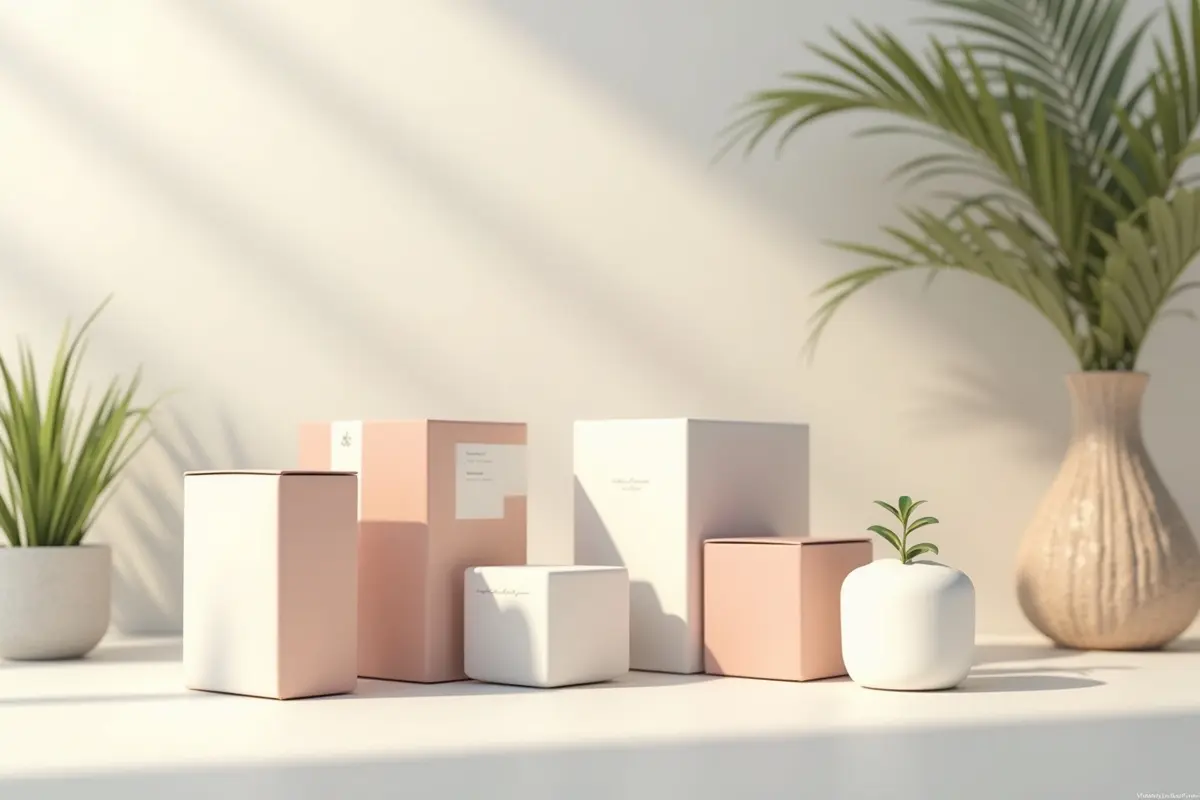
In today’s competitive market, packaging has evolved far beyond its traditional role as a vessel for products. It now serves as a critical component of a brand’s identity, communicating essential values and engaging customers before they even interact with the product inside. Packaging is often the first physical touchpoint between a brand and its consumers, setting the stage for the unboxing experience and influencing purchasing decisions. Consequently, brands are striving to capture attention with fresh and innovative packaging ideas.
Companies like BP Solutions Group, a leading regional packaging manufacturer, stand at the forefront of this evolution by offering forward-thinking packaging services such as custom folding carton manufacturing. With a legacy spanning a century, BP Solutions Group has built a reputation for quality and innovation by serving both burgeoning start-ups and established national brands. Their customized packaging solutions not only protect and display products but also enhance brand recognition and deepen customer engagement through clever design and strategic functionality.
Sustainable Materials
The growing consumer focus on environmental responsibility is encouraging brands to prioritize sustainability in their packaging choices. Eco-conscious shoppers are increasingly favoring companies that minimize their ecological impact, creating strong demand for packaging made from renewable, biodegradable, or recycled materials.
Options such as recycled cardboard, compostable bioplastics, mushroom-based foam, and seaweed-derived films are gaining wider adoption, particularly in the food and grocery sectors. For brands looking to navigate these choices effectively, a folding carton materials guide can provide valuable insights into selecting eco-friendly, durable, and practical packaging solutions that align with both sustainability goals and consumer expectations. For example, a pioneering company in sustainable packaging utilizes seaweed and plants to create packaging that biodegrades naturally—sometimes in as little as a few weeks—eliminating lingering waste.
Brands that invest in such eco-friendly options not only reduce their ecological impact but also foster trust and goodwill with consumers who care deeply about environmental responsibility. Sustainable packaging, therefore, is more than a trend—it is swiftly becoming an expectation, especially as global regulations tighten and consumers become more discerning.
Smart Packaging
Innovative packaging goes beyond physical protection and branding by using technology to enhance product safety and user engagement. Innovations such as QR codes, Near Field Communication (NFC), and augmented reality (AR) are enabling new ways for consumers to interact with products. QR codes provide instant access to product details, sourcing information, or promotional offers when scanned with a smartphone, while NFC tags enable seamless authentication or facilitate easy reordering.
Augmented reality is particularly engaging, offering immersive experiences that connect the physical and digital worlds. Lego’s AR-enabled boxes, for instance, let users visualize a completed set in 3D through their mobile device before making a purchase, adding a new layer of excitement and informed decision-making to the shopping process. By embedding these technologies in their packaging, brands can create deeper connections, boost transparency, and offer unique value beyond the product itself.
Customization
Personalization is rapidly transforming consumer expectations, and packaging is a powerful avenue for brands to deliver customized experiences. Custom packaging options can include personalized graphics, messages, names, or even design elements that reflect a specific occasion or season. The famous Coca-Cola “Share a Coke” campaign exemplifies the impact of personalization. By printing popular names and phrases on bottles, the brand turned everyday products into personal gifts and conversation starters.
This cleverly fostered emotional bonds between consumers and the brand, driving both word-of-mouth marketing and repeat purchases. For e-commerce retailers, custom inserts, thank-you notes, or branded tissue paper add layers of delight that resonate on social media, further amplifying reach. In summary, customizable packaging not only makes consumers feel special but also strengthens brand loyalty and creates memorable experiences that differentiate products in crowded markets.
Minimalistic Designs
Minimalism in packaging design remains a popular choice among brands seeking to convey clarity, elegance, and confidence. The core philosophy is to strip away the unnecessary, showcasing the product and brand essence through clean lines, straightforward typography, and a restrained color palette. These designs not only appeal aesthetically but also reflect modern values such as transparency and efficiency. Apple is an iconic example, as its sleek, understated packaging creates an aura of sophistication that complements its high-end devices and accessories.
Minimalist designs can further reduce waste and costs by eliminating excessive materials. Furthermore, such designs offer practical benefits: reduced printing and simpler construction can lead to lower production expenses and easier recycling. For many brands, adopting a minimalistic approach is a strategic choice that aligns visual identity with sustainability and contemporary consumer preferences.
Anti-Counterfeit Measures
Counterfeit products pose significant challenges for brands, particularly in the luxury, electronics, and pharmaceutical sectors. To mitigate these risks and assure consumers of product authenticity, brands are integrating advanced anti-counterfeit technologies into their packaging. Tamper-evident seals, holographic labels, and serial numbers are standard features that provide visible confirmation of safety and integrity.
Beyond these, blockchain-based tracking systems are emerging as a game-changer, enabling every package to be logged and verified at each stage of the supply chain. High-profile brands like Rolex and Louis Vuitton utilize smart tags and blockchain registries, enabling both retailers and consumers to verify authenticity instantly. These methods not only protect brand value but also instill confidence and peace of mind for consumers—a crucial differentiator, especially in markets vulnerable to fraud.
Reusable and Refillable Packaging
With growing concerns over single-use plastics and disposable packaging, many brands are developing solutions that promote reuse and reduce waste. Refillable packaging systems empower customers to purchase products in durable containers designed for multiple uses. For example, in the personal care and cosmetics industries, major brands such as L’Oréal and Dove are introducing refill stations, enabling shoppers to replenish shampoo, conditioner, or lotion without purchasing a new bottle each time.
Similarly, grocery and beverage brands are introducing reusable glass bottles and bulk bins, promoting a circular economy and diminishing landfill contributions. These initiatives not only address environmental concerns but also foster customer loyalty by offering convenience and economic incentives for repeat usage. Companies that adopt these models demonstrate social responsibility, setting a positive example by reducing packaging waste on a large scale.
Edible Packaging
Edible packaging is an innovative solution that completely rethinks disposable containers. Using materials such as seaweed, rice flour, potato starch, and plant fibers, brands can create edible wrappers, films, and containers that are both safe to consume and naturally decompose when discarded. This approach is especially relevant for single-serving items in the food industry—think chocolate bars wrapped in edible film or drink straws made from seaweed.
By blending functionality with sustainability, edible packaging helps minimize waste and offers a unique talking point for eco-minded customers. While regulatory challenges and scalability are considerations for mass adoption, many companies are experimenting with edible formats to push the boundaries of packaging innovation and create memorable, experience-based differentiation.
Conclusion
The rapidly evolving landscape of packaging design is transforming the way modern brands interact with their customers, shape their identities, and take responsibility for their environmental impact. By embracing sustainable materials, technological advancements, creative personalization, and innovative functional approaches, such as reusable and edible packaging, brands can position themselves as industry leaders and innovators. As consumer preferences continue to evolve, those companies that prioritize innovative packaging solutions will foster deeper engagement and build lasting relationships in the minds—and hands—of their customers.




0