

How Smart Home Technology is Shaping Modern Living
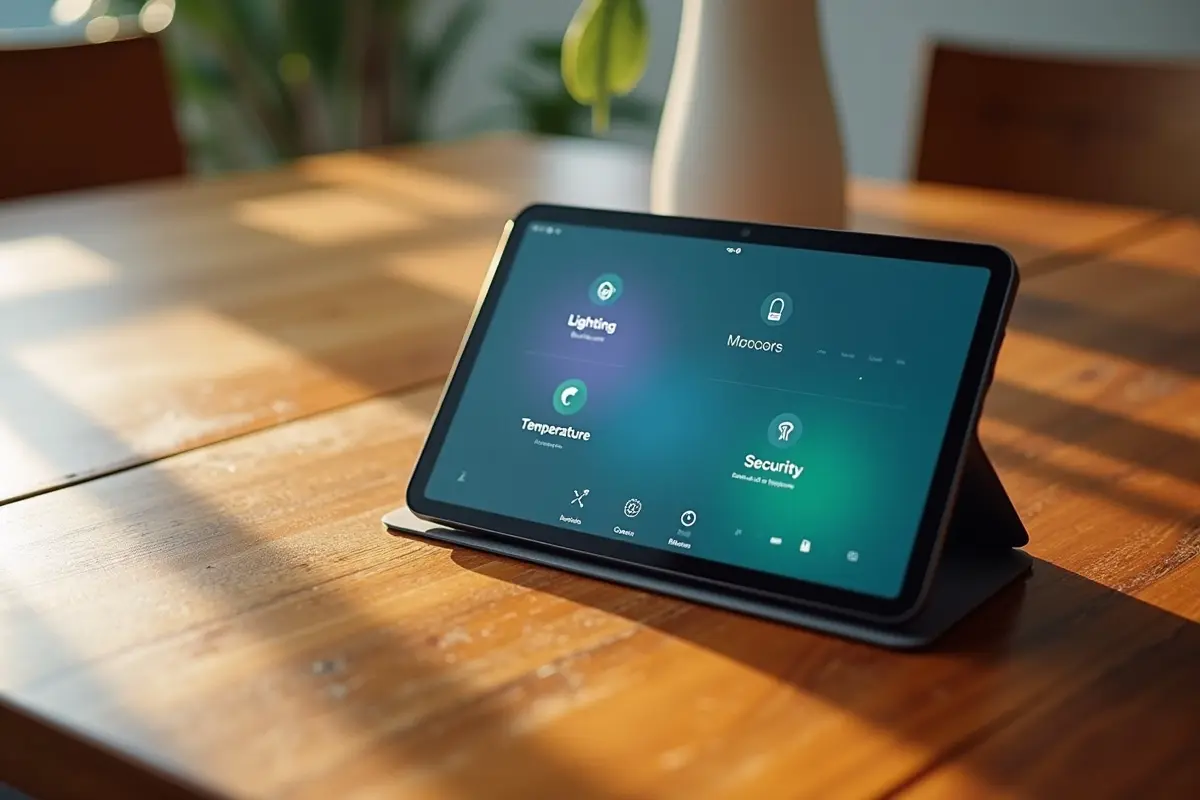
Smart home technology is dramatically reshaping our modern lifestyles, blending cutting-edge innovation with everyday comfort. Today’s interconnected devices allow homeowners to automate, monitor, and control their living spaces like never before. This technological shift is not just a matter of convenience—it has real impacts on energy savings, enhanced safety, improved health, and entertainment options.
For those looking to integrate these advances, working with local experts such as Boca Raton, FL, real estate experts Matt & Nick Team can help you find homes already equipped with the latest smart systems or offer guidance on transforming your current property.
By bringing artificial intelligence (AI) and the Internet of Things (IoT) into our homes, we’re creating more adaptive environments that learn our routines and needs. Smart systems can anticipate your arrival, prepare your living space for comfort, and even secure your property from afar. This personalized automation is quickly becoming an expected feature, transforming the very definition of modern living.
The rapid adoption of smart home devices continues to accelerate globally as both new homebuyers and current homeowners recognize the benefits of more innovative spaces. These connected technologies offer more than luxury; they promote sustainability and create responsive homes that contribute to overall well-being. As more industries, builders, and homeowners embrace this shift, the future of residential living looks more intelligent and more interconnected than ever.
Introduction
What was once considered science fiction-homes that anticipate your needs, regulate themselves, and keep you safe-is now a reality. Smart home technology has swiftly moved from high-end novelty to mainstream necessity. Thanks to advancements in AI and IoT, everyday devices from lights to refrigerators can now communicate, automate routines, and provide real-time information and control through smartphones and voice assistants. For homeowners seeking to integrate these advanced systems seamlessly, comprehensive residential smart home automation solutions offer unparalleled control over their living spaces. This leap is not only about comfort-it’s about creating truly responsive and sustainable environments that improve quality of life.
Enhancing Energy Efficiency
One of the primary drivers of smart home adoption is the promise of lower energy bills and reduced environmental impact. Devices like smart thermostats, lighting, and appliances use sensors and algorithms to tailor settings based on usage patterns and occupancy. According to the U.S. Department of Energy, households can save up to 10% annually on heating and cooling simply by adjusting their thermostats 7-10 degrees Fahrenheit for eight hours a day—a task made effortless by automation.
Smart lighting systems use scheduling, motion detection, and daylight sensors to dim or turn off lights when rooms are unoccupied, significantly reducing electricity costs. Even major appliances are now designed for efficiency, allowing users to monitor energy consumption and receive maintenance alerts through their phones. As energy prices fluctuate and sustainability becomes more urgent, these smart systems can be a vital part of an eco-conscious lifestyle.
Advancing Home Security
Security is another fundamental benefit propelling smart home popularity. Today’s systems extend far beyond simple alarms, with internet-connected cameras, door sensors, and smart locks providing 24/7 monitoring and control. Real-time alerts notify homeowners instantly about unusual activity, such as doors opening unexpectedly or motion detected while away from home.
Video doorbells, like those from Ring or Nest, add a layer of accessibility and safety, allowing residents to view and speak with visitors remotely through their smartphones. Some systems integrate facial recognition, two-way communication, and cloud storage, making it easier than ever to keep an eye on your property or grant temporary access to guests. Many insurance providers even offer discounts to homeowners who install these advanced systems, further emphasizing the value of integrated security.
Promoting Health and Well-being
Smart home technology is increasingly focused on fostering health and well-being. Indoor air quality sensors monitor for pollutants, allergens, and unsafe carbon monoxide levels, prompting HVAC adjustments or alerting residents in real time. Meanwhile, devices like humidifiers and purifiers can be automated to respond automatically when sensor readings indicate an issue.
In the bedroom, smart lighting systems and climate control help support healthy sleep cycles, simulating natural sunset and sunrise to gently encourage rest and wakefulness. Wearables and connected medical devices are also empowering users by providing medication reminders, tracking hydration, and encouraging physical activity and proper posture throughout the day.
As remote healthcare becomes normalized, integrated telehealth platforms are even making it easier for seniors or those with chronic conditions to age in place, supported by technology that monitors their health and schedules regular medication.
Revolutionizing Home Entertainment
Entertainment has undergone a dramatic shift thanks to smart home innovations. Today’s smart TVs are command centers, integrating streaming platforms, voice control, content recommendations, and even providing access to other smart home systems. Voice assistants like Amazon Alexa and Google Assistant can start movies, play personalized playlists, or adjust ambient lighting with a simple command.
Taking immersion further, virtual reality (VR) and augmented reality (AR) systems bring gaming, concerts, and global sightseeing into the living room. Multi-room audio solutions synchronize music throughout the house, while AI learns preferences to suggest new content and experiences. This convergence of devices is creating home environments where entertainment is not just accessible but tailored seamlessly to every user.
Future Trends in Smart Home Technology
Looking ahead, the pace of smart home innovation is accelerating. AI-driven automation will become even more sophisticated, offering predictive systems that can anticipate user desires, such as prepping the home for arrival based on geolocation or proactively adjusting environmental controls in response to weather forecasts.
Greater interoperability between brands is expected to streamline setup and use, making comprehensive smart home systems more accessible to the average consumer. According to Forbes, these advancements are reimagining the future of smart homes, creating experiences that are not only more convenient but also increasingly intuitive and adaptive.
In addition, smart home technology is increasingly integrated into new real estate developments and luxury homes, with intelligent infrastructure built during construction. Energy storage, renewable integration, and urban microgrids are aligning with residential smart systems to create future-proof, sustainable communities. As privacy and data security remain significant concerns, developers and device makers are doubling down on encrypted, user-centric technologies.
Conclusion
The impact of smart home technology on modern living is profound and far-reaching. Through enhanced efficiency, security, health, and entertainment, these devices elevate the quality of life and create tailored living experiences. As adoption continues to grow and innovations multiply, smart homes are set to become the new standard—delivering personalized, sustainable, and secure environments for families worldwide.


0