

Why Some 4WDs Hold Value Better Than Luxury Cars
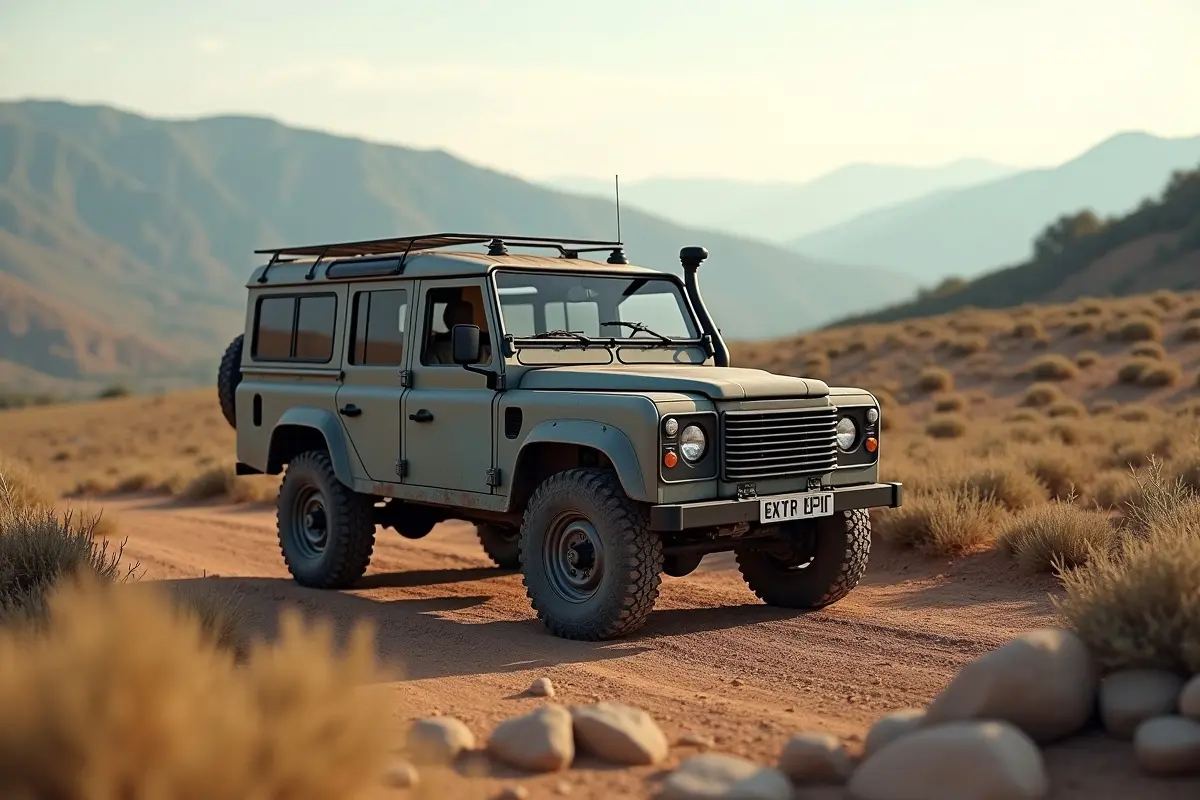
People’s assumption is that luxury cars hold their value because they’ve paid premium prices for them while boasting prestigious badges. Yet as you drive past any car yard located in Australia, you’ll observe a strange phenomenon in action: Certain 4WDs, still pushing 200,000 kilometers, are priced at a point to make a five-year-old luxury sedan driver cry. The difference between what people think should happen to resale and what actually occurs is staggering.
Therefore, the reality is that certain four-wheel drives hold more than value; they buck the idea of depreciation entirely. While a $120,000 European luxury vehicle loses, immediately off the lot, $40,000, certain workhorses retain their asking price (if not more) years down the road.
The Depreciation You’re Not Told About
What’s completely insane about all of this is the gap in expected depreciation. For example, a new BMW loses 20-30% of its value in one year alone. By year three, it’s sitting at the lot with only 50-60% of its value remaining. It’s gone—it’s been insane for years.
However, numbers differ wildly when you get to good 4WDs on the used market. For example, three years into ownership of many models, you get 15% tops to drop in value. For some of the legendary ones? People pay new-price values for vehicles that have been plying their trade for years.
The reasons behind this are not complex; they are, however, not what most people think when making a purchase. The major reasons why 4WDs hold their value compared to luxury cars are from the building process, market demand, and even something much deeper: what each vehicle is meant to do.
Built to Last (Not Necessarily)
Luxury cars are created with comfort, technological advancements and status in mind. There’s nothing wrong with that, as that’s what people want when they buy them. However, the cost of creation comes at depreciation. They complicated electronics die. Expensive parts require replacement. Specialized mechanics price their services as high as they can for niche repairs. Therefore, insurance and up-keeping costs rise drastically on both ends while resale falls through the floor.
Heavy-duty 4WDs are built with a different mindset. For example, the 79 series landcruiser has been around for decades with little change because it hasn’t needed any, the original format has worked so well from the beginning. When something is tooled to withstand harsh environments day in and day out, it ultimately ages better than something created around micro-parts to match a current trend that’s popularized week by week.
It’s not about one being better than the other with crucial components; it’s longevity versus luxury, and ultimately how the public decides to perceive it over time. When a luxury car sits at 150,000 kilometers (or has hit that mark), the vehicle is tired. When a workhorse hits it the same way, it’s just getting started.
The Market Demand Factor
There’s another component that people fail to acknowledge in the resale process. When people sit behind the wheel of a luxury vehicle, their demand is exponentially low by year three in terms of who else wants one, by extended maintenance and increased ability come additional costs such as warranty expiration and high maintenance rates.
However, people who need 4WDs need proven models. They need them on farms. They need them as tradesmen, and need them in mining contracting positions. And they need them for tourism efforts across Australia. There’s no limited demand as a vehicle ages; instead, sometimes it expands as the price drops but the ability does not decrease.
Supply and demand have always been on collision course; when demand stays high and supply low (most of these models have waiting lists when new), the prices stand firm. It’s economic 101, but with surprising results when concerning 4WDs.
Parts and Service Costs
Where luxury vehicle owners fail is unnecessary gimmicks. An extra part for a German sedan might be $800 and flown in from overseas, but they parts person who knows where every part is priced through the ceiling since it’s all niche.
Now compare it against established 4WD vehicles where each part is readily available through different dealers, multiple mechanics know how those cars work, and even if basic diagrams are needed for repairs (rather than computer diagnostic costs), it’s easily accessible.
The lower ongoing costs allow people to justify spending more on a proven vehicle since they know their annual salary adjustments won’t change on top of ownership if their new purchase is just as budget friendly.
How much it costs to service remains more important than most people realize, especially regarding resale value. If someone’s checking out a luxury car at $18K, and they believe servicing it will destroy annual bonuses just to keep it running (think, they’re buying this without any knowledge of previous servicing), they’ve lost the car before they even know how much it truly depreciated.
If they’re checking out proven sellers from previous owners who’ve had minor issues with anticipated ownership costs then they’ve got much better purchase possibilities.
The Modification Trap
This goes in reverse of logical thought, that’s right. Modify a luxury car and you’ve lost your money. Your $80K car no longer retains value now that you wanted leather seats in animal-hide but got punched up offers instead.
Now apply that to certain constructions of 4WDs, you’ve just made your vehicle more valuable, provided you’ve used good reputable parts, which actually added capabilities inside McGuyvered elements thanks to an audience of buyers who’ve made them valued additions (bull bars, winches, upgraded suspension systems, dual battery systems, long-range fuel tanks; you name it).
This allows buyers/tradesmen to modify their vehicles for their needs; as long as they’ve taken care of them inside and out with all exterior parts up front sold when necessary, buyers won’t take a hit like those who’ve customized luxury vehicles since there was no customization element involved in the first place.
The Working Vehicle Value
Finally, there’s an advantage to those who allow their vehicles to work for them. A 4WD that it’s been used for plowing or towing or off-road excursions or carrying tools from jobs isn’t automatically worth less with high kilometers; it’s worth more if it’s been taken care of because now there’s historical context as proof enough that what someone needs will work as well.
Luxury cars don’t benefit from this perspective, high kilometers are high kilometers are high kilometers, and it doesn’t matter how easy they were on interstate driving; they’re beaten down no matter what over general life use for poor resale value.
What This Means for Buyers
The depreciation gap creates higher windows for buyers according to situation details across age years because there’s immediate prospects which either look good or bad.
If you’re looking at buying new luxury vehicles; you’re going to pay because of current standards and being the first owner/if you’re buying truly proven 4WDs, that’s your market value which increases better over time for others than you’d assume.
On the used side, luxury car buyers find amazing vehicles because of desperation once a seller knows maintenance expense could incur higher than the selling fee, for serious proven sellers that would be taking on, proven WDs want top dollar, but they know they’ll get top dollar too down the road.
The market has recognized which vehicles are truly built to last and appropriately prices then accordingly; sometimes the vehicle that’s less valuable up front ends up being better over time due to better financial planning down the line.
Numbers don’t lie, they just tell a story which shocks people who believe that all things with luxurious pricing automatically have better expectations for longevity relative to current investment.



0