

Bathroom Renovation: The Heating Decisions That Matter
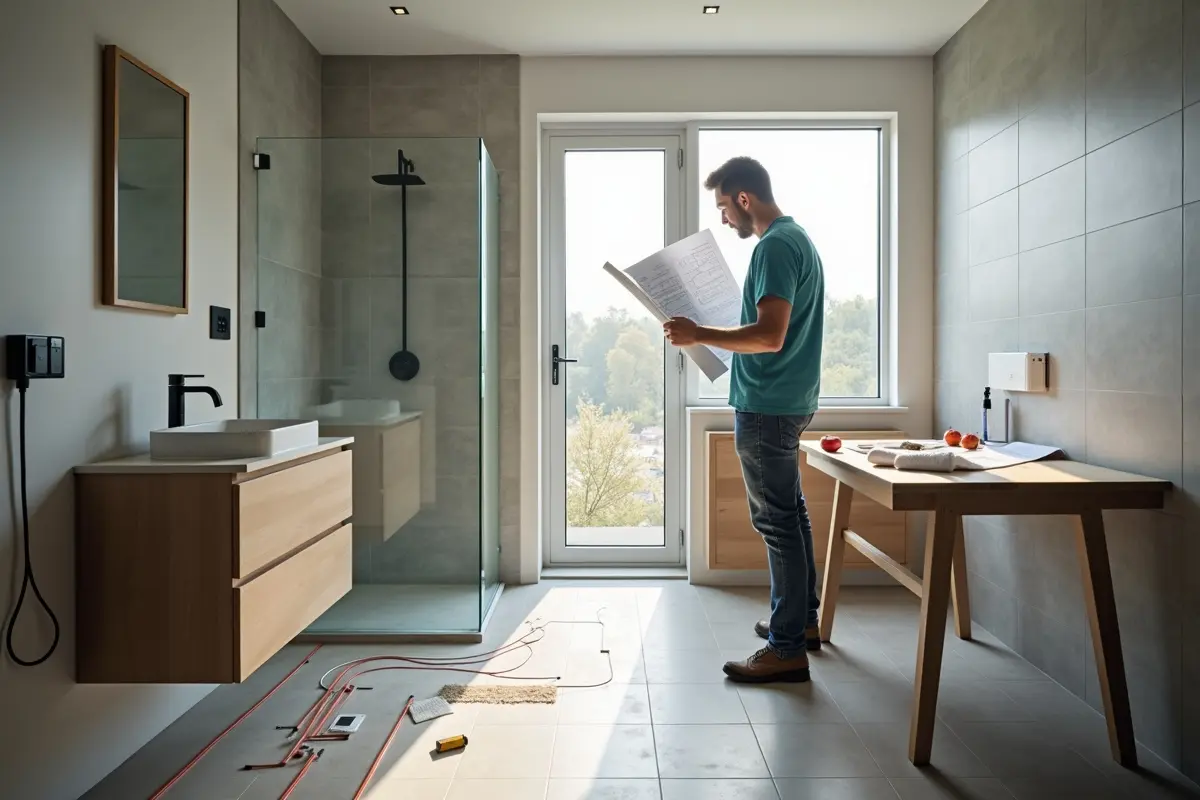
Bathroom renovations involve so many decisions—tiles, fixtures, layout, storage—but heating decisions are less often given the attention they deserve. After all, they’re something people live with every day for years to come.
When renovating a bathroom, it’s the perfect time to get into the nitty-gritty of how to heat the space because the floors are up and the walls may be open for adjustments that are easy enough to make. When the project is complete, however, and walls are finished, if someone experiences problems later down the line, the only option is to tear apart perfectly good, finished work.
Yet understanding which heating decisions really matter helps determine what needs consideration versus what’s not an avoidable decision.
The Floor Is Going Up Anyway
When renovating a bathroom, the floor comes up. It’s a prime opportunity to put in underfloor heating because if it will never happen at this stage, it will never happen in the future without having to rip up new tiles or planks to do so. Once everything is installed, it’s a costly mistake to have to tear apart a new bathroom renovation for underfloor heating down the line.
Electric Underfloor Heating Kits are particularly practical for bathroom renovations because they can be laid directly onto the subfloor prior to applying tile or vinyl for the finish layer. It organically aligns with the renovation process—subfloor, mat, tiles/vinyl.
Furthermore, there are factors to consider with height increases due to underfloor heating. It typically adds 10-20mm with insulation on top. This means door clearances, transitions between rooms and heights of fixtures compared to the newly-installed floor level. Without planning for this increase, it’s going to be difficult when the door doesn’t close or when the toilet ends up at an awkward height.
Radiator Positioning Gets Locked In
Where the radiator/heated towel rail goes will essentially lock in wall space usage for years. Having a terrible location wastes valuable wall space that could be otherwise used for additional storage or mirrors, or keeping it open and feeling less cluttered. In small bathrooms, every inch of wall space matters.
Consider the entire orientation of the bathroom. Where is the vanity? Where is the toilet? And where is the towel rail going? The radiator must fit into this puzzle without awkward space or usage opportunities being blocked.
For example, towel rails located directly over or adjacent to the toilet end up making towels inconveniently close but limited access. Towel rails behind doors waste space and are inconveniently placed. Towel rails that get in the way of shower door swings or cabinet door openings become annoying obstacles. These are tiny details that won’t get rethought once everything is finished; instead, poor decisions now will haunt for years.
Electrical Planning Matters Now
Electric options require power outlets. The renovation phase is when it’s easiest to run new circuits. After everything is finished and painted, it’s either tacky with surface-mounted conduit or costly with deconstruction of finished aspects.
For example, underfloor heating requires a circuit and a thermostat. Thus, one must position the thermostat somewhere that’s accessible but also makes sense relative to temperature control of the room. Some people want this in the bathroom; some want it outside in a hallway. Deciding where during an electrical rough-in is crucial so that it’s not awkward later on.
Furthermore, heated towel rails may be electric or plumbed. It depends on what type is preferred and whether one wants to switch from electric to plumbed after renovation (or vice versa)—both scenarios require massive amounts of work that should ideally be avoided.
Insulation Underneath Matters
Bathroom floors often sit over unheated spaces—crawlspaces, garages or lower rooms. If there is no insulation in place between the subfloor and heating components, most of the heat will seep down instead of up into the bathroom. This wastes energy—but also means that floors will never be as warm as desired.
Renovating gives people a prime opportunity to add rigid insulation board under the underfloor heating system. After renovation, this would basically be impossible without ripping everything up. This is literally a now or never moment for most situations.
Furthermore, it’s not just about making heating efficient; it’s about running costs that matter significantly. An underfloor heating system where there is no insulation underneath will cost twice as much as when there is insulation underneath through proper installation. Over years, that mounts up.
Combining Heating Types
Some people might benefit from underfloor heating combined with a heated towel rail in a bathroom setting; comfortable even background heat on one’s feet makes for a warm comfort but heated towel rails give quick warmth and dry out towels.
Deciding on this now means electrical and plumbing can be run for both systems from start to finish; switching over later when things are already finished is easier said than done.
Also, how will each component work together? Will they operate independently or together? Separate controls allow flexibility but add more switches to manage; interoperation is easier but less adaptable for differing needs without discussion now.
Floor Covering Affects Everything
The floor covering placement has an impact on how well each underfloor heating system operates. Tiles conduct well—they’re ideal for underfloor heating systems. Vinyl rated for underfloor heating works well too. But some flooring options create critical issues.
For example, thick or cushioned vinyl can insulate too much and reduce effectiveness; wood flooring requires specific engineered options rated highly—solid wood will generally not work. The flooring option in combination with underfloor heating can lead to major mistakes when people try to keep these decisions separate.
During renovation planning, these decisions should be made interconnectedly; do you want underfloor heating? Then get a flooring option that meshes well with it. Want wood-like flooring? Ensure that whatever heating option works with it before planning.
Long-Term Access to Systems
Underfloor heating rarely fails; when it does, however, it means lifting subflooring back up to access components underneath. It’s helpful if people know where certain components run—downstairs—so subflooring going back into place doesn’t accidentally nail down over heating components.
Taking pictures during installation helps people document how things go together with certain locations; marking where they don’t shouldn’t go helps too on the revised plans of what’s going on after completion. This isn’t about assuming problems will arise; it’s about being educated in case repairs have to be made down the line.
Budget Reality During Planning
Heating options aren’t cheap by any means when considering renovation budgets. It’s crucial that people understand how much everything will cost because adding $1K where it could be avoided isn’t practical down the line once everything is perfectly positioned in place.
For example, underfloor heating costs more than ripping out an existing radiator/elements from before; heated towel rails run anywhere from cheap options to luxurious options depending on material quality.
The question isn’t just price; it’s value realized. If a family uses a bathroom every day, having warm floors means incredible value realized from having that effective component installed. However, if it’s a guest bathroom only used now and then, that value assessment diminishes. It’s important to align heating investment goals with how much improvement matters therein.
Renovation is also valuable because disruption and installation costs will be minimal; attempting to put underfloor heating into place later costs more than trying to retrofit; including everything now has marginal costs versus full bathrooms down the line.
Making Decisions That Last
Finally, 10-15 years should pass between bathroom renovations before they’re considered again. Thus, what heating decisions get made now will affect comfort during that time period—and getting them right means warm floors every day and properly positioned towel rails getting blamed when someone never sees proper heating setups again getting wrong for years.
This is primarily because so many decisions occur during planning and early construction stages; once things progress past initial phases of decision-making/time allotting areas where changes become costly or impossible, that’s when people wish they’d made better choices.
It’s worth spending time thinking through heating during a renovation process to avoid regrets later on; thus creating a comfortable bathroom space, effective heating and preventing awkward moments during daily routines otherwise made by rushed decisions during renovation thinking.





0