

From Concept to Creation: The Journey of Cable Wiring Harness Manufacturing
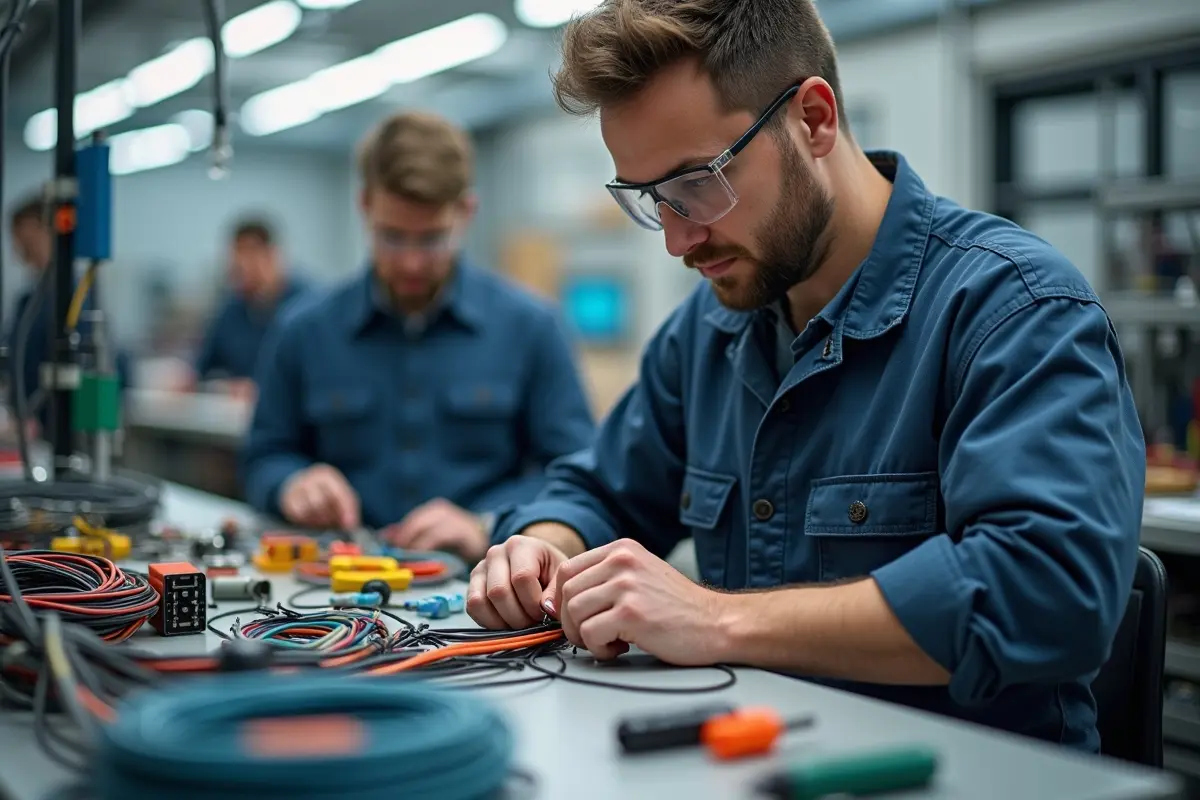
Cable wiring harnesses are essential components in modern electronics, ensuring electrical systems operate reliably and efficiently. These organized assemblies of wires, connectors, and terminals help streamline connections while protecting circuits across a wide range of applications.
Cable wiring harnesses are indispensable in modern technology, ranging from automotive and aerospace to consumer electronics and industrial machinery. They play a vital role in maintaining the reliability and performance of electrical systems and can streamline complex wiring setups. This article explores the journey of cable wiring harness manufacturing, from initial concept to final creation, and addresses the question, “What is a wire harness?”
Conceptualization: Understanding the Requirements
The journey of a cable wiring harness begins with a thorough understanding of the specific application’s requirements. Engineers and designers collaborate closely with clients to gather detailed information about the electrical systems that the harness will support.
This includes understanding the environmental conditions, power and data transmission needs, space constraints, and regulatory requirements. A clear understanding of these factors is essential for designing equipment that meets the precise needs of the application.
Design and Engineering: Crafting the Blueprint
After you establish the requirements, engineers begin the design and engineering phase. They use advanced software tools to create detailed schematics and 3D models of the cable wiring equipment.
These tools help engineers simulate harness performance, identify potential issues, and optimize the design for efficiency and reliability.
During this phase, engineers carefully select materials, plan wire routing, and determine the optimal placement of connectors. The goal is to ensure that the equipment can withstand the operational stresses it will encounter, such as vibrations, temperature fluctuations, and exposure to moisture or chemicals.
Prototyping: Bringing the Design to Life
With the design finalized, the next step is to create a prototype of the cable wiring equipment. Prototyping is a critical phase that allows engineers to test the design in real-world conditions. This process involves assembling a working model of the equipment using the specified materials and components.
Prototypes are subjected to rigorous testing to evaluate their performance and durability. Tests may include electrical continuity tests, insulation resistance tests, and mechanical stress tests. These tests help identify any design flaws or areas that need improvement. Feedback from the testing phase is used to refine the design, ensuring that the final product meets all performance and reliability standards.
Material Selection: Ensuring Quality and Durability
The selection of materials is a crucial aspect of cable wiring harness manufacturing. High-quality materials are essential to ensure the equipment’s longevity and reliability. Engineers must choose conductors, insulation materials, and connectors based on their ability to withstand the specific conditions of the application.
For instance, conductors are typically made from copper or aluminum due to their excellent electrical conductivity. Insulation materials, such as thermoplastics or thermoset polymers, are selected for their resistance to heat, moisture, and chemical exposure. Connectors must provide secure and stable connections, with considerations for ease of assembly and maintenance.
Manufacturing: Precision and Efficiency
Once the design is validated and materials are selected, the manufacturing process begins. Modern manufacturing techniques, including automation and precision engineering, play a vital role in producing high-quality cable wiring equipment.
Technicians use automated machines to cut, strip, and crimp wires with high precision. This automation improves consistency and accuracy while reducing the risk of human error. They then carefully route and bundle the wires according to the design specifications.
Quality Assurance: Ensuring Reliability
Quality assurance is paramount in cable wiring harness manufacturing. Each harness must meet stringent quality standards to ensure its reliability in the field. Comprehensive testing is conducted at various stages of the manufacturing process to identify and rectify any issues. Industries with zero tolerance for failure, such as healthcare and medical technology, rely on exceptionally rigorous validation and traceability standards to ensure electrical components perform flawlessly in critical equipment. In these sectors, experienced medical cable assembly manufacturers play an essential role by adhering to strict regulatory requirements, advanced testing protocols, and precision manufacturing practices to support the reliability of sensitive medical devices.
Final Assembly and Delivery: Completing the Journey
Once the cable wiring harnesses pass all quality assurance tests, teams move them into final assembly and delivery. They then integrate each harness into the larger systems or products it supports.
They also provide proper documentation, including wiring diagrams and installation instructions, to ensure correct installation and maintenance.
Cable wiring harnesses are indispensable in modern electronics, playing a critical role in ensuring the seamless operation of electrical systems. Understanding “what is a wire harness” helps in appreciating their vital role in the technological landscape.
By understanding and implementing each step with care, manufacturers produce harnesses that meet the specific needs of various industries, contributing to the advancement of technology and the efficiency of modern electronic devices.
The continuous evolution of harness manufacturing techniques and materials ensures that these essential components remain at the forefront of technological progress, supporting the complex and dynamic nature of today’s electronic systems.




0